
NFTs continue to evolve far beyond digital collectibles, but where is the space actually heading in 2026? As tokenization, digital identity, and blockchain-powered engagement mature, the most meaningful signals often emerge not online, but in the rooms where builders, platforms, and ecosystems come together.
Which NFT use cases are gaining real traction, and which narratives are quietly fading?
A clear pattern is emerging. NFT conversations are shifting toward long-term utility, enterprise adoption, and measurable value, while speculative hype plays a smaller role. Another trend shaping 2026 is convergence, with NFTs increasingly discussed alongside AI, gaming, loyalty, and real-world assets rather than as standalone products.
NFT events and conferences reflect these changes in real time. They act as concentrated checkpoints where technology, culture, and market behavior intersect.
This list highlights five NFT events and conferences that best capture where the ecosystem is heading next and why they continue to matter in a rapidly maturing digital landscape.
Top 5 NFT Events to Check Out In 2026:
1. WAGMI Miami
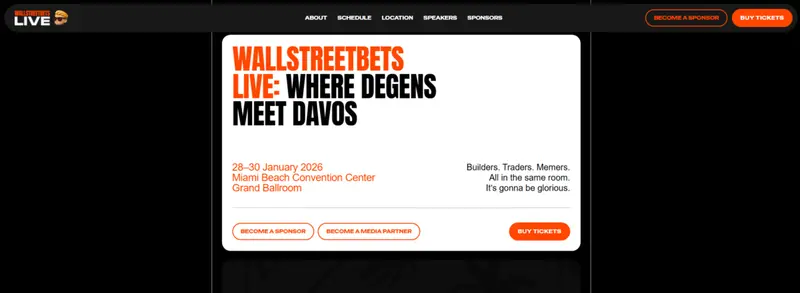
Date: January 29 to January 30, 2026
Location: Miami Beach, United States
Venue: Miami Beach Convention Center, Grand Ballroom
Pricing: General Admission $369. Early Bird $269 sold out. VIP $6969 with premium access and exclusive experiences.
WAGMI Miami is a high-energy crypto and Web3 event that blends finance, culture, and internet native communities into a single, attention-driven experience. Originating from WallStreetBets, the conference leans heavily into community momentum, meme culture, and market narratives that shape how NFTs gain visibility and traction.
The format mixes panels, live trading sessions, workshops, and social events, creating an environment where sentiment and storytelling play a central role.
Read More2. NFT Paris 2026
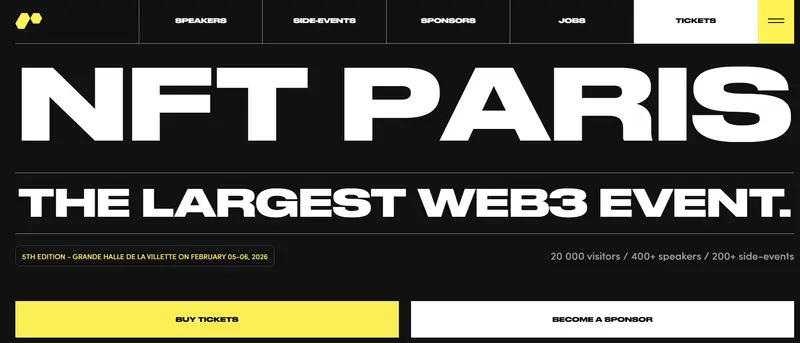
Date: February 5 to February 6, 2026
Location: Paris, France
Venue: Grande Halle de la Villette
Pricing: General Attendee early bird €299 for full 2 day access across all tracks. VIP early bird €1299 including lounge access, fast entry, and premium catering.
NFT Paris has evolved into one of the most influential global gatherings at the intersection of NFTs, Web3, and emerging digital infrastructure. The 2026 edition brings together NFT Paris, RWA Paris, Ordinals Paris, and XYZ Paris under one ticket, creating a dense environment where art, gaming, finance, and enterprise technology converge.
Read More3. Blockchain Futurist Conference Toronto
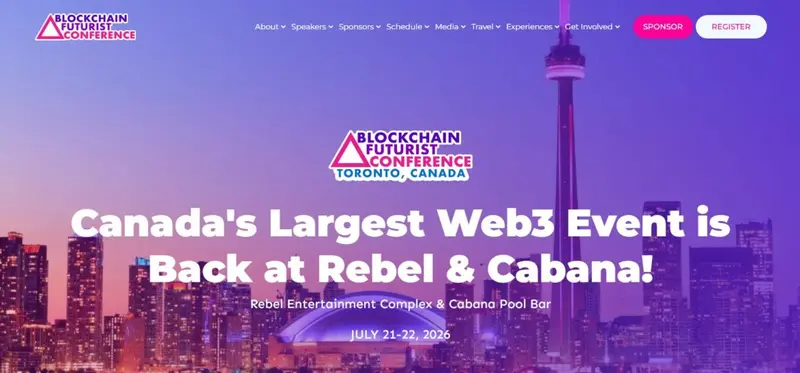
Date: July 21 to July 22, 2026
Location: Toronto, Canada
Venue: Rebel Entertainment Complex and Cabana Pool Bar
Pricing: General Pass from $199 for full 2-day conference access. VIP Pass from $399 with cabana access, VIP lounges, backstage entry, and priority access. Prices increase closer to the event.
Blockchain Futurist Conference is Canada’s largest Web3 gathering and has become a recurring anchor point for North American blockchain and NFT innovation. The event blends conference programming with a festival-style atmosphere, combining multiple stages, exhibition halls, and outdoor networking spaces into a single immersive experience.
NFTs are positioned as part of a broader ecosystem that includes AI, decentralized infrastructure, and digital ownership models.
Read More4. Ethereum Community Conference 2026
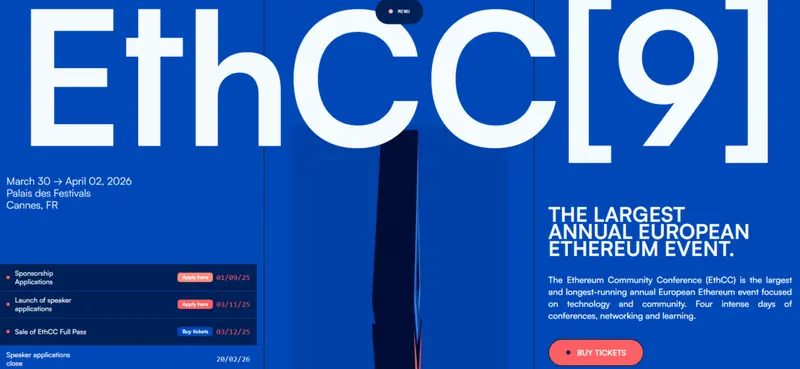
Date: March 30 to April 02, 2026
Location: Cannes, France
Venue: Palais des Festivals
Pricing: Full Pass €500 for 4 days. Single Day €125. EthVC Investor Pass €1500. Students and volunteers free with application. Early Bird €400 sold out.
Ethereum Community Conference, commonly known as EthCC, is the longest-running and largest Ethereum-focused event in Europe. The conference is deeply rooted in the technical and community side of the Ethereum ecosystem, attracting developers, protocol teams, infrastructure providers, and investors from across the world.
While the focus is engineering first, the implications for NFT marketing are significant because most leading NFT standards, marketplaces, and tooling are built on Ethereum.
Read More5. Conf3rence
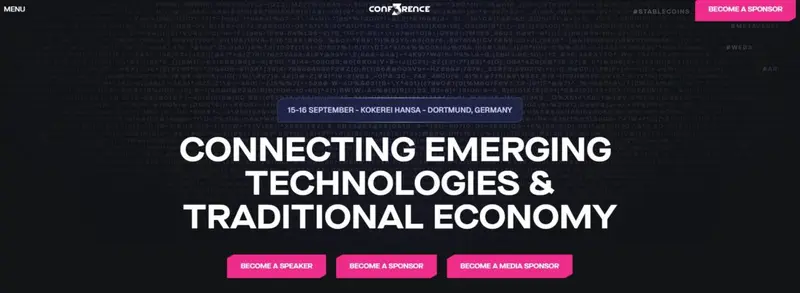
Date: September 15 to September 16, 2026
Location: Dortmund, Germany
Venue: Kokerei Hansa
Pricing: Ticket pricing for 2026 has not been publicly announced yet
CONF3RENCE positions itself as a bridge between emerging technologies and the traditional economy, making it particularly relevant for understanding how NFTs and digital assets move from experimentation to real-world adoption.
Unlike consumer-focused NFT events, CONF3RENCE is structured around enterprise use cases, regulatory alignment, and scalable business integration. The two-day format separates an executive-focused summit from a retail and public-facing day, creating space for both strategic discussions and applied examples.
Read MoreWhy Should You Attend NFT Events and Conferences?
NFT events and conferences offer more than industry visibility. They provide concentrated exposure to how digital ownership, tokenized experiences, and blockchain-based engagement models are evolving in practice.
For anyone evaluating NFTs as part of a broader growth, loyalty, or digital strategy, these gatherings create clarity that is difficult to achieve through remote research alone.
Below are the core reasons these events continue to matter as the ecosystem matures.
Early Insight Into Where NFT Adoption Is Heading
Conferences surface trends before they become mainstream. Topics such as NFT memberships, token-gated commerce, digital collectibles tied to physical products, and real-world asset tokenization often appear on stage long before they show up in case studies.
Listening to how builders and platforms frame these ideas helps distinguish durable models from short-term experimentation. This early signal is valuable when deciding where to allocate time, budget, and creative resources.
Stronger Understanding of Execution, Not Just Concepts
Online coverage tends to focus on announcements and success stories. In-person discussions reveal the operational reality behind NFT initiatives. Conversations around tooling limitations, onboarding friction, wallet UX, compliance considerations, and post launch engagement provide a more realistic picture of what it takes to run NFT campaigns.
This practical insight reduces the risk of underestimating complexity or overestimating impact.
Access to Partnership-Driven Growth Opportunities
NFT ecosystems are highly collaborative. Conferences bring together blockchain networks, marketplaces, creative studios, infrastructure providers, and media partners in one place. Many partnerships begin through informal conversations rather than formal pitches.
These interactions often uncover complementary capabilities that accelerate execution, whether through co-branded drops, technical integrations, or shared audiences. The density of decision makers shortens the path from idea to activation.
Direct Exposure to Community Dynamics and Cultural Signals
NFT adoption is deeply influenced by community behavior. Events make it possible to observe how narratives spread, how launches are received, and how cultural relevance shapes engagement. Side events, exhibitions, and live activations show how projects earn attention rather than buy it.
This perspective helps explain why certain NFT campaigns resonate emotionally while others struggle to gain momentum.
A Grounding Perspective In a Fast-Moving Market
The NFT space evolves quickly, with frequent shifts in technology, regulation, and sentiment. Conferences provide a reality check by anchoring strategy discussions in what is actually being built and deployed. Hearing from teams actively shipping products helps separate long term value creation from hype driven experimentation.
Over time, this grounding leads to more resilient and informed approaches to digital asset strategy.
The NFT Event Circuit Shaping What Comes Next
NFT events in 2026 reflect how far the space has moved beyond early experimentation. These conferences are no longer just about launches or speculation, but about infrastructure, partnerships, and real-world applications.
Across global hubs, NFT-focused gatherings now connect digital assets with marketing strategy, community building, loyalty, and long-term brand value.
What makes these events relevant is not only the content on stage, but the signals around them. Which use cases attract sustained interest, how platforms position themselves, and where collaboration is happening all point to where NFTs are heading next.
For anyone tracking the evolution of digital ownership, these conferences provide a compressed view of market direction, execution realities, and emerging standards. Together, they offer a clear snapshot of how NFTs continue to reshape engagement, storytelling, and value creation in the digital economy.
NFTs, or non-fungible tokens, are digital assets based on blockchain technology, similar to cryptocurrencies. However, unlike cryptocurrencies, NFTs are unique and cannot be exchanged on a one-to-one basis. They function more like stocks, with each NFT having a distinct value, emphasizing exclusivity and rarity. NFT conferences increasingly showcase how digital ownership is expanding into areas like sports, gaming, and collectibles, with live examples often tied to evolving sports NFT marketplaces that demonstrate licensed IP, fan engagement, and secondary market dynamics. Many conferences emphasize creator led ecosystems because successful NFT adoption often depends on credibility, storytelling, and audience trust, which is why sessions frequently spotlight leading top NFT creators shaping culture and market demand. NFT events often reveal how creators and influencers turn community attention into revenue through drops, memberships, and collaborations, reflecting broader patterns in how influencers monetize NFTs beyond one time launches. Alongside official programming, private chats and invite only groups become active coordination hubs for meetups and deal flow, similar to how curated NFT Telegram groups function as real time information and networking channels. NFT gaming appears frequently at conferences because it blends ownership, engagement, and retention, highlighting how NFT games turn digital assets into interactive experiences rather than passive collectibles. Many panels focus on infrastructure choices, minting workflows, and scalability, reflecting the growing importance of reliable NFT makers that reduce friction for launches and long term management. Conference meetings often lead to collaboration talks, but successful outcomes depend on aligning audiences, values, and reach, similar to best practices for evaluating influencer fit in NFT campaigns. Side events and workshops frequently highlight niche communities because distributed reach and authenticity matter, echoing proven approaches to building NFT campaigns with micro focused creator ecosystems.Frequently Asked Questions
What are NFTs and how do they differ from cryptocurrencies?
How do NFT conferences reflect changes in digital ownership trends?
Why do NFT events highlight individual creators as much as platforms?
How do influencers use NFT events to support monetization strategies?
What role do private communities play around major NFT conferences?
Why are NFT games increasingly visible at Web3 conferences?
How do NFT tools and builders influence conference discussions?
What helps teams evaluate partnerships discussed at NFT events?
Why are smaller creators often central to NFT conference activations?


