
- Shopify positions AI as core infrastructure rather than an add-on feature
- Sidekick evolves into a proactive business partner capable of executing complex tasks
- Agentic commerce becomes first class with AI discovery and checkout support
- Merchants gain safer ways to test changes before launch using simulations and rollouts
- Developers get an AI native platform built for scale, speed, and agent-driven commerce
Shopify rolls out 150+ updates that move AI from experimental features to foundational business infrastructure.
Shopify’s Winter ’26 Edition, codenamed The RenAIssance Edition, marks a decisive shift in how the company views artificial intelligence inside commerce. Rather than introducing isolated AI features, Shopify is embedding intelligence directly into the platform’s foundations, touching everything from daily merchant workflows to global product discovery and developer infrastructure.
The release includes more than 150 updates across Shopify’s ecosystem. Many of these capabilities simply did not exist a year ago, according to Shopify leadership, and together they signal a strategic move to make AI an everyday operational layer rather than an experimental tool.
Vanessa Lee, Shopify’s Vice President of Product, framed the release as a turning point. She described the Edition as an effort to move AI from hype into practical, reliable help that saves time, reduces risk, and gives entrepreneurs leverage in how they build and grow their businesses.
Sidekick Becomes a True Business Collaborator
At the center of the Winter ’26 Edition is Sidekick, Shopify’s AI commerce assistant. Originally introduced as a conversational helper, Sidekick now evolves into a proactive collaborator that can analyze a merchant’s business and surface next steps without being prompted.
A major addition is Sidekick Pulse, which continuously reviews store data and broader Shopify signals to identify growth opportunities. Instead of simply answering questions, Sidekick can now notify merchants when it detects meaningful actions worth taking and assist in executing them.

- Source: Shopify
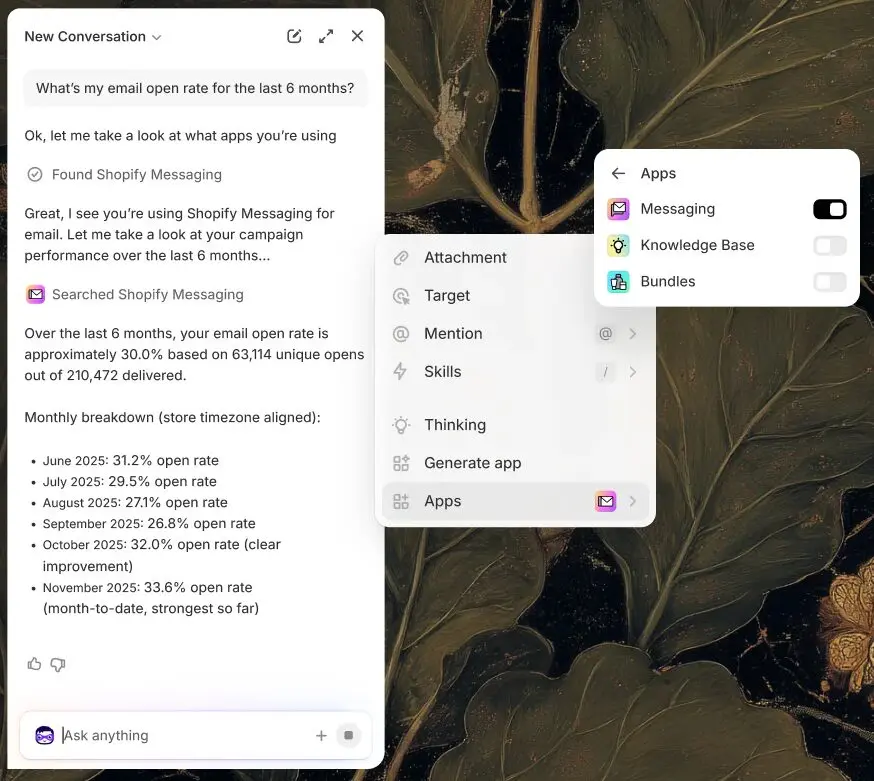
Sidekick’s capabilities also expand into more complex operational territory. Merchants can now use natural language to edit themes, build automations, generate Flow workflows, and even create custom admin apps.
These apps are generated directly inside Shopify using existing developer tools like Polaris UI and the Admin GraphQL API, allowing merchants to visually test and refine functionality before installing it.
Shopify reports that Sidekick has already been used in more than 100 million conversations. The Winter ’26 updates position it less as an assistant and more as a cofounder that understands commerce deeply and can act on that understanding.
Confidence Replaces Guesswork in Storefront Changes
Another major theme of the Edition is reducing the anxiety associated with launching changes. Shopify introduces Rollouts, a built-in feature that allows merchants to stage, schedule, and gradually deploy storefront updates. Rollouts can also apply changes to a percentage of traffic, effectively turning launches into controlled experiments.
Complementing this is SimGym, currently in research preview. SimGym uses AI shopper personas trained on aggregated commerce data to simulate how customers might interact with a store. Merchants can stress test themes, layouts, and experiences before exposing them to real traffic, catching potential conversion issues early.

Together, Rollouts and SimGym aim to make experimentation safer and more accessible, particularly for smaller merchants who lack the traffic or resources for traditional A/B testing.
Agentic Commerce Moves From Concept to Reality
One of the most strategic additions in Winter ’26 is Shopify Agentic Storefronts. This feature allows merchant products to appear directly inside AI-powered shopping conversations across platforms such as ChatGPT, Perplexity, and Microsoft Copilot.
Merchants configure this once inside Shopify. From there, products can be discovered, recommended, and purchased inside conversational interfaces without requiring separate integrations for each platform. Shopify emphasizes that merchants retain control over branding, checkout, and attribution, with data flowing back into the admin.
This move reflects Shopify’s belief that shopping will increasingly happen inside conversations. Rather than building one-off integrations, Shopify is positioning itself as the connective tissue between merchants and emerging AI-driven discovery channels.
Network Effects and Physical Retail Foundations
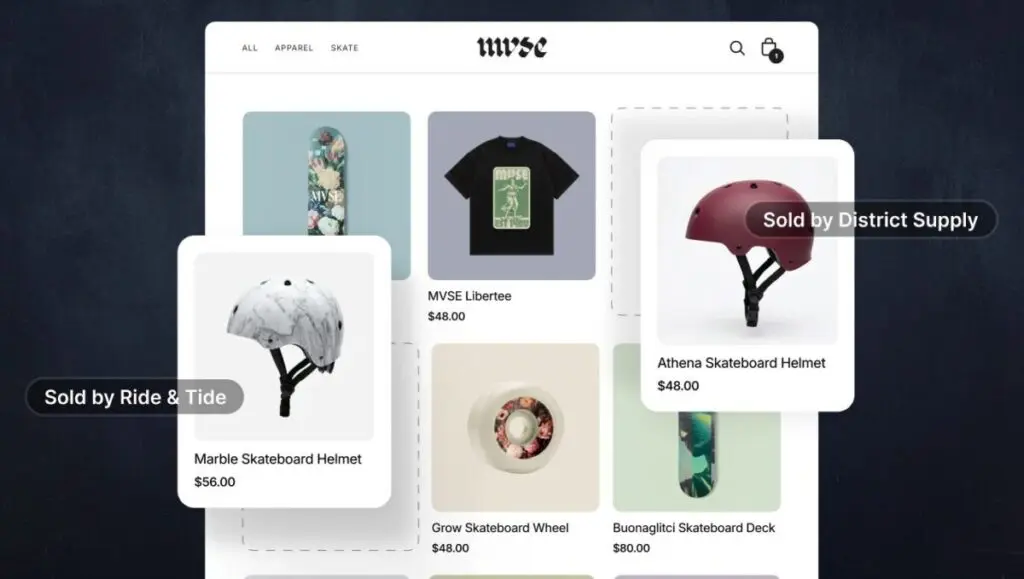
Beyond AI, Shopify continues to strengthen the underlying commerce infrastructure. Shopify Product Network allows merchants to expand their catalogs by listing complementary products from other Shopify stores. This creates endless aisle experiences without inventory risk, while preserving control over placements and exclusions.
For physical retail, Shopify introduces POS Hub, a new hardware solution designed for fast, reliable checkout. POS Hub supports wired peripherals across iOS and Android devices and actively manages connections to reduce downtime. Shopify frames this as bringing the reliability of its online checkout to in-store environments.
Inventory also sees meaningful updates, including purchase orders, editable transfers, and API improvements that reduce accidental overwrites. While less visible than AI features, Shopify positions these changes as essential to executing the merchant customer contract at scale.
A Rebuilt Platform for Developers and AI Native Commerce
Developers are a major focus of the RenAIssance Edition. Shopify opens broader access to the Shopify Catalog API, enabling product discovery across billions of products with accurate clustering and deduplication. Combined with universal cart and checkout tools, developers can build full shopping flows inside agents or apps with a single integration.
Sidekick app extensions allow developers to expose their app data and actions directly inside Sidekick conversations. This means merchants can access app functionality contextually without leaving the admin, making apps feel native rather than bolted on.
Shopify also introduces tools like embeddable checkout and the Dev Dashboard for agentic commerce experimentation, reinforcing its goal of becoming the default commerce layer for AI-driven experiences.
Tinker App brings AI creativity to mobile
Shopify also previewed Tinker, a new mobile app launching in early 2026 that packages advanced AI design tools into a single, affordable workspace. Tinker is designed to help entrepreneurs overcome the “blank canvas” problem by making it easier to generate professional visuals without prior design experience.
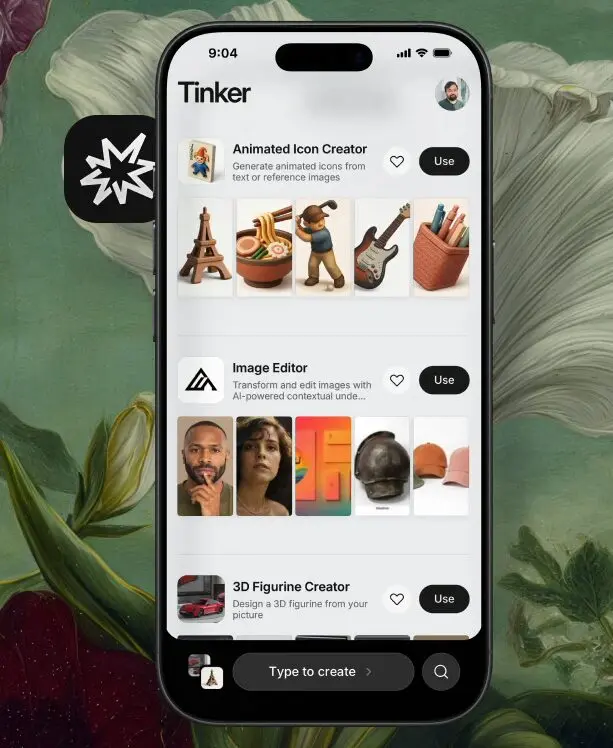
From product imagery to marketing assets, the app uses AI to guide users from concept to finished design directly on their phones. Shopify positions Tinker as a democratization tool, lowering the barrier to high-quality creative output that previously required specialized software or external agencies.
By putting AI-powered creation in a mobile-first format, Shopify extends its RenAIssance vision beyond operations and into everyday brand building.
From Hype to Infrastructure
Shopify’s Winter ’26 Edition makes a clear statement. AI is no longer a novelty inside the platform. It is becoming infrastructure.
Rather than replacing human creativity, Shopify is betting that AI will amplify it by removing friction, reducing risk, and scaling expertise. From Sidekick’s proactive guidance to agentic storefronts and simulated shoppers, the RenAIssance Edition shows Shopify’s vision of commerce where intelligence is everywhere, but control remains firmly in the hands of merchants and builders.
As Shopify looks toward 2026, the message is consistent. Build the fundamentals well, embed AI where it matters, and give entrepreneurs tools that make real work faster, smarter, and more confident.