
Getting ignored by brands is one of the most frustrating parts of being a smaller creator. A lot of influencers assume they need 100,000 followers before sending PR emails, but most brands are no longer building creator programs around reach alone.
Micro-influencers and UGC creators are increasingly being used for niche targeting, authentic product reviews, and lower-cost content production.
That shift matters because creator demand keeps growing. The influencer marketing industry is expected to blow out its $32 billion evaluation in 2025. In 2026, more brands are continuing to invest in creator partnerships across TikTok, Instagram, YouTube, and UGC campaigns, with some allocating more than 50% of their marketing budgets.
A good PR email for influencers can open the door to gifted collaborations, PR packages, affiliate opportunities, and even long-term brand relationships. The problem is that most creators either sound too formal, too generic, or too salesy when pitching brands.
This guide breaks down how influencer PR outreach actually works, what brands look for before replying, and the PR email templates creators can use to land more responses.
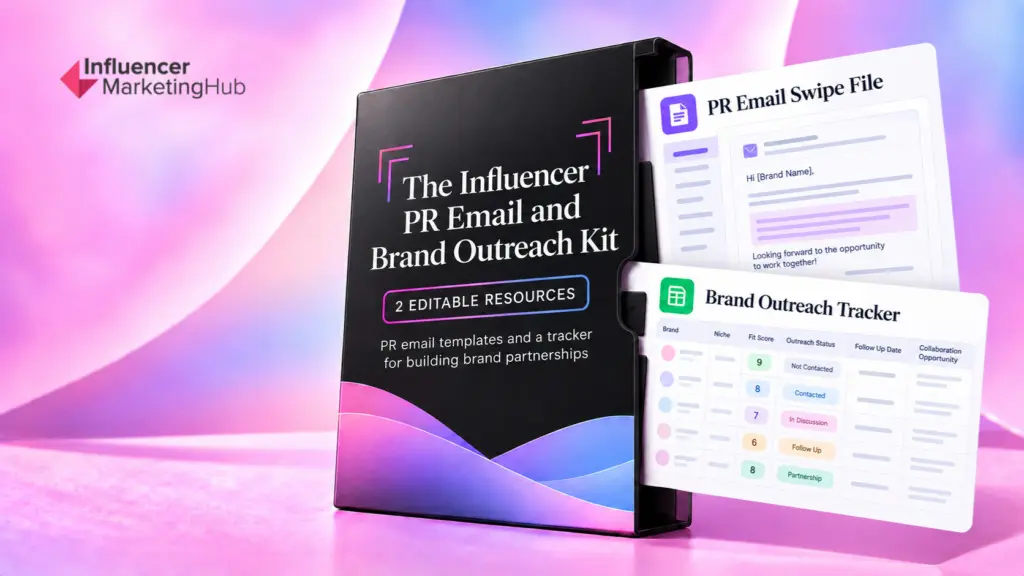
Alongside the guide, you'll also get access to the IMH PR Email Kit.
It includes a collection of editable PR email templates you can personalize for different collaboration opportunities, along with a Brand Outreach Tracker that helps you organize outreach, schedule follow-ups, and manage brand relationships as your creator business grows.
- What Is a PR Email for Influencers?
- Why Smaller Creators Can Still Get Brand Deals
- What Brands Actually Look for Before Replying to Influencer Emails
- PR Email Templates for Influencers
- Bonus: Follow-Up Email Template for Influencers
- Build a Repeatable Brand Outreach Process
- The Anatomy of a Good PR Email
- PR Emails for Influencers Work Better When They Feel Human
- Frequently Asked Questions
📥 Get the IMH PR Email Kit
Writing a strong PR email is only one part of successful creator outreach. The creators who consistently land collaborations usually have a repeatable system for researching brands, personalizing their pitches, following up professionally, and keeping track of every conversation.
The IMH PR Email Kit gives you everything you need to manage your outreach from your first email to your next long-term brand partnership.
Inside the kit you'll get:
- PR Email Swipe File (Google Docs) with editable templates for beginner creators, micro-influencers, UGC creators, product seeding requests, affiliate partnerships, paid collaborations, follow-up emails, thank-you emails, and more.
- Brand Outreach Tracker (Google Sheets) to research brands, prioritize outreach, schedule follow-ups, score brand fit, and monitor every collaboration opportunity from one organized workspace.
Instead of rewriting the same emails or searching through your inbox for previous conversations, you'll have a structured outreach system that grows alongside your creator business.
What Is a PR Email for Influencers?
PR Email for Influencers Definition
A PR email for influencers is a message creators send to brands, PR agencies, or influencer managers to introduce themselves and explore potential collaborations. Most of the time, these emails are used to request PR packages, gifted products, affiliate partnerships, UGC opportunities, or long-term creator relationships.
Unlike traditional sponsorship pitches, PR outreach is usually less formal and lower-pressure. Brands sending PR packages are often looking for creators who genuinely fit their audience and can create authentic content around the product, even if the creator does not have a massive following yet.
Because of that, smaller creators are becoming much more relevant in influencer marketing. Micro influencers and UGC creators often produce content that feels more trustworthy and relatable than highly polished celebrity campaigns.
For brands, that can translate into stronger engagement and more authentic product conversations.
With PR emails, you are not just asking for free products but are showing brands why your content, audience, and creative style make sense for their marketing goals.
A Strong Influencer PR Email Usually Does 3 Things Well:
- First, it quickly explains who you are and what type of content you create. Brands do not want to read long personal introductions before understanding your niche.
- Second, it shows clear brand alignment. Generic outreach is one of the biggest reasons creators get ignored. Brands are much more likely to respond when creators explain why they genuinely like the product or how it fits naturally into their content.
- Third, it keeps the ask simple. Smaller creators sometimes overcomplicate the first email with pricing negotiations, large deliverable lists, or long explanations. Most PR outreach works better when the goal is simply starting a conversation.
The good news is that brands are actively looking for creators beyond mega influencers.
UGC campaigns, TikTok Shop programs, affiliate partnerships, and product seeding strategies have created far more opportunities for smaller creators to get noticed. The challenge is learning how to approach brands professionally without sounding robotic or overly corporate.
Want to Understand How Product Seeding Actually Works?
Sending a PR email is only one part of the process. Most creator gifting campaigns operate through structured product seeding strategies designed to generate UGC, reviews, social proof, and creator relationships at scale.
Read our Ultimate Guide to Product Seeding to learn how brands choose creators, send PR packages, track performance, and turn gifting into long-term influencer partnerships.
Why Smaller Creators Can Still Get Brand Deals
Smaller creators are no longer competing only for leftover influencer budgets. A lot of brands now actively prioritize smaller influencers and UGC creators because their content often feels more authentic, more relatable, and more cost-effective than traditional influencer campaigns.
That shift is one of the biggest reasons beginner creators have more opportunities today than they did a few years ago.
Brands Are Moving Toward Micro Influencers
Follower count still matters, but it is no longer the main thing brands care about. Engagement, niche relevance, audience trust, and content quality now play a much bigger role in creator selection.
Data from our Instagram Influencer Marketing report shows that micro influencers continue to outperform larger creators on engagement across social platforms.
Nano-influencer engagement rates sit at around the 2% to ~6% range, while mega creators often fall closer to 1% to 2%.
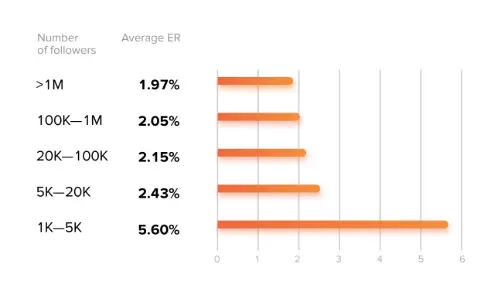
Even TikTok’s creator economy is shifting heavily toward smaller creators. New platform data published in 2026 showed that TikTok micro creators saw partnership pricing increase sharply year over year, while larger creator pricing declined.
For smaller creators, this means that brands are actively investing in creator tiers beyond celebrities and mega influencers.
UGC Has Changed What Brands Want From Creators
The rise of UGC has also changed how brands evaluate outreach emails. A lot of companies are no longer looking only for creators with massive reach. They want creators who can make TikTok-style product videos, relatable tutorials, aesthetic lifestyle content, testimonial-style clips, paid social creatives, and content that can be reused for Spark Ads.
Data backs up these claims, as over 50% of marketers participating in our 2026 Influencer Marketing Benchmark Report plan on working specifically with UGC creators.
That is why UGC creators can often land PR opportunities even with smaller audiences. Brands may care more about the creator’s ability to produce strong content than the size of their following.
If you're a creator in the beauty & skincare, fashion, fitness, wellness, and food & beverage industries, you're in luck, as these are the most popular industries for UGC collaborations.
Consistency Matters More Than Viral Numbers
One viral video is not usually enough to convince brands to reply to outreach emails. Consistency matters much more.
Brands will usually check how often a creator posts, the quality of editing, niche alignment, audience engagement, and the creator's personality before responding.
This means that a creator with 4,000 followers and a strong niche identity will often look more attractive than a larger creator with inconsistent or unfocused content.
That is one reason smaller creators continue becoming more valuable inside influencer marketing ecosystems. Our Benchmark Report also found that brands are increasingly prioritizing creator authenticity, engagement quality, and scalable creator partnerships rather than relying entirely on celebrity reach.
Smaller Creators Often Fit Product Seeding Better
PR outreach also works differently from traditional sponsorship campaigns. PR gifting programs are primarily designed to:
- build creator relationships
- generate product content
- test new creators
- collect UGC
- increase social proof
For brands, smaller creators are often ideal for this because they allow campaigns to scale across many niche audiences at once. Relevance, consistency, and content quality usually matter much more than most beginner influencers realize.
What Brands Actually Look for Before Replying to Influencer Emails
A lot of beginner creators assume brands only check follower count before deciding whether to reply. In reality, most influencer managers and PR teams evaluate several signals at once when reviewing creator outreach.
In general, brands look at four things.
Brands Want Creators Who Already Fit Their Audience
Generic outreach is one of the biggest reasons PR emails fail.
Brands can usually tell immediately when creators mass-send the same template to dozens of companies without understanding the product, audience, or niche.
A skincare brand does not want to receive a copy-paste pitch from someone who mainly posts gaming clips. A fitness company is unlikely to reply to creators whose audience has no connection to health or wellness content.
That is why niche alignment matters so much.
Before replying, brands often ask:
- Does this creator already post content related to our category?
- Would their audience realistically care about this product?
- Does their content style match our brand image?
- Can we imagine this creator naturally talking about our product?
Smaller creators actually have an advantage here because niche-focused accounts usually feel more authentic and community-driven.
Content Quality Is Part of the Pitch
Your content is already acting as your portfolio before the brand even opens your email.
Most PR managers will immediately click through to your TikTok or Instagram profile after reading your message. They are looking at:
- lighting and video quality
- editing style
- personality
- storytelling ability
- consistency
- brand safety
- overall aesthetic
The good news is that content quality does not require expensive equipment anymore. A lot of brands now prefer creator-style videos that feel native to TikTok, Reels, and short-form feeds instead of highly polished commercial ads.
That shift is heavily tied to the rise of short-form video and UGC inside influencer marketing. Findings from our Social Media Marketing Benchmark Report found that 45% of marketers now rank short-form video as the most engaging content format across social media.
The creator economy is also becoming increasingly UGC-driven. Industry reporting in 2026 showed that UGC campaigns more than doubled year over year and accounted for roughly 35% of creator collaborations on some influencer platforms.
That trend benefits smaller creators because brands are no longer evaluating creators only by audience size. Many companies now care more about whether creators can produce relatable short-form videos that can be reused across ads, product pages, paid social, and whitelisting campaigns.
For beginner creators, that means strong content quality can often outweigh follower count during PR outreach.
Consistency Builds Trust With Brands
Brands also pay attention to how active creators are. An account that posts consistently usually signals reliability and long-term partnership potential.
Inactive accounts or inconsistent posting schedules can make outreach feel risky for brands, especially when products, gifting budgets, and campaign timelines are involved.
Consistency also helps creators look more established, even with smaller followings. A creator who posts regularly inside a clear niche often appears more “brand ready” than someone with a larger audience but inconsistent content.
That matters because brands are increasingly building long-term creator programs instead of one-off sponsorships. Our Influencer Marketing Experts Report found that 37% of marketers now run influencer campaigns monthly, while 28% operate quarterly campaings.
For creators, that shift changes what brands value. Companies running recurring creator campaigns usually want influencers who can consistently produce content, maintain audience trust, and participate reliably over time.
Posting consistency also affects platform visibility. TikTok, Instagram Reels, and YouTube Shorts all reward regular creator activity, which indirectly impacts discoverability, engagement stability, and campaign performance.
Professionalism Still Matters
Creators do not need to sound overly corporate to land collaborations, but professionalism still matters.
Brands notice things like concise messaging, respectful outreach, and clear communication. They also notice technical things like proper links and working contact information.
Even small details can affect reply rates. Broken links, empty bios, private accounts, or messy creator profiles can reduce trust quickly.
Your Bio Is Part of Your Pitch
A lot of brands decide whether to trust a creator before they even reply to the email. Your TikTok bio, Instagram profile, creator links, and niche positioning all shape first impressions during PR outreach.
Read our 5-Step Guide to Writing a Professional Bio to learn how creators can build profiles that look more brand-ready, trustworthy, and partnership-friendly.
Professional communication matters even more as influencer marketing becomes more operationally structured. Our data shows that 66% of brands are managing creator programs internally and scaling creator relationships across ongoing campaigns rather than isolated sponsorships.
That means influencer outreach increasingly resembles relationship management instead of casual gifting. Brands want creators who feel authentic, but they also want creators who seem dependable enough to work with repeatedly across campaigns, product launches, affiliate pushes, and UGC production cycles.
The strongest PR emails usually feel personal, confident, and easy to respond to. Creators do not need perfect corporate language. They just need to appear organized, relevant, and professional enough for brands to trust them with a collaboration.
PR Email Templates for Influencers
A lot of creators think successful PR outreach comes from having the perfect template. In reality, personalization usually matters much more than the exact wording.
Generic messages with no brand context often get ignored because they feel transactional and low effort. The strongest influencer PR emails feel short, personal, and easy to respond to.
These templates are meant to act as starting points, not copy-paste scripts. Adjust the tone, niche references, and product mentions so the outreach actually feels connected to the brand you are contacting.
PR Email Template for Beginner Influencers
This template works well for smaller creators who are new to influencer outreach and do not have previous brand partnerships yet.
PR Inquiry From Beauty Creator – (Your Name)
Hi [Brand Name] team,
My name is [Your Name], and I’m a small beauty creator who posts skincare and makeup content on TikTok and Instagram.
I’ve been using your products recently and honestly love how [specific product] fits into my routine. I think my audience would really connect with your brand, especially because I focus a lot on affordable skincare and realistic product reviews.
I’d love to explore any PR or gifting opportunities you may have for creators. I’d also be happy to create TikTok or UGC-style content featuring your products.
TikTok: [Link] Instagram: [Link]
Thanks so much for your time!
Micro-Influencer PR Outreach Template
This version works better for creators with an established niche and consistent engagement.
Micro Influencer Interested in Collaboration
Hi [Brand Name],
I’m [Your Name], a lifestyle creator who posts content around fitness, wellness, and healthy routines across TikTok and Instagram.
I’ve followed your brand for a while and recently saw your launch for [product/campaign], which felt like a really natural fit for the type of content my audience engages with most.
My audience is mainly made up of women interested in wellness-focused lifestyle content, and I think your products would integrate really naturally into my videos.
I’d love to explore PR opportunities or potential collaborations if you are currently working with creators.
TikTok: [Link] Instagram: [Link] Media Kit: [Link]
Looking forward to hearing from you!
UGC Creator PR Email Template
UGC creators should focus more on content production value than audience size.
UGC Creator for (Brand Name)
Hi [Brand Name] team,
I’m a UGC creator who specializes in short-form TikTok and Reels-style product content for beauty and lifestyle brands.
I came across your products recently and immediately thought your brand would fit really well with the type of creator-style videos I produce. I especially liked [specific product detail or campaign].
I’d love to create UGC content for your brand if you are currently looking for creators for gifting campaigns, product seeding, or paid content creation.
Portfolio: [Link] TikTok: [Link] Instagram: [Link]
Thank you!
TikTok Creator Outreach Email
TikTok outreach usually performs better when the tone feels casual and platform-native.
TikTok Creator Interested in PR Collaboration
Hi!
I’m [Your Name], a TikTok creator focused on fashion and outfit content. I recently found your brand through TikTok and honestly loved the style of your newest collection.
I think your products would fit really naturally into the type of styling videos and “get ready with me” content I post regularly.
Would love to be considered for any PR opportunities or upcoming creator campaigns you may have.
TikTok: [Link] Instagram: [Link]
Thanks!
Product Seeding / PR Package Request Template
This works well for creators specifically looking for gifting opportunities.
Interested in Product Seeding Opportunities
Hi [Brand Name],
My name is [Your Name], and I create [niche] content across TikTok and Instagram.
I’ve been following your brand for a while and really like how your products fit into the type of content my audience enjoys most. I’d love to be considered for any product seeding or PR package opportunities you currently offer creators.
I regularly create short-form product content, reviews, and lifestyle integrations that could align well with your brand.
TikTok: [Link] Instagram: [Link]
Thank you for your time!
Bonus: Follow-Up Email Template for Influencers
Most creators either never follow up or follow up too aggressively. Both can hurt reply rates.
A short follow-up after 5 to 7 days is usually enough.
Following Up on PR Collaboration Inquiry
Hi [Brand Name],
Just wanted to follow up on my previous email in case it got missed!
I’d still love to explore any PR or creator collaboration opportunities you may have. I really enjoy your brand and think it would fit naturally with my content and audience.
Sharing my links again below in case helpful:
TikTok: [Link] Instagram: [Link]
Thanks again!
The biggest thing creators should remember is that PR outreach is not about sounding perfect. Brands care much more about relevance, authenticity, and creator fit than overly polished corporate messaging.
A short email that feels genuine will usually outperform a long, formal pitch that sounds copied from the internet.
Build a Repeatable Brand Outreach Process
Writing one great PR email can help you land your first collaboration. Building a repeatable outreach process is what helps you secure the second, third, and twentieth.
Many creators approach outreach reactively. They send a handful of emails when they want more PR packages, wait to see who responds, and then repeat the process months later. While this can occasionally lead to opportunities, it makes it difficult to build consistent relationships with brands.
A more effective approach is to treat outreach as an ongoing part of your creator business.
Start by building a shortlist of brands that genuinely align with your niche, audience, and content style. Instead of contacting every company you can find, prioritize those where your content naturally complements the products they sell. Personalization becomes much easier when you're reaching out to brands you already know and understand.
From there, establish a simple outreach workflow:
- Research the brand before writing your email.
- Choose the PR email template that best matches your objective.
- Personalize your message with specific references to the brand, its products, or recent campaigns.
- Record when you sent the email.
- Schedule a follow-up five to seven days later if you don't receive a response.
- Track the outcome of every conversation, whether it results in a PR package, affiliate partnership, paid collaboration, or simply a new contact for future opportunities.
Over time, this process becomes one of your biggest competitive advantages.
Instead of wondering which brands you've already contacted or forgetting to follow up on promising conversations, you'll have a clear record of your outreach history. You'll begin identifying which types of brands respond most often, which subject lines perform best, and which outreach approaches consistently lead to collaborations.
Successful creators don't just write better emails—they build better systems. The more organized your outreach becomes, the easier it is to scale your creator partnerships over time.
📥 Organize Every Brand Conversation
The Brand Outreach Tracker included in the IMH PR Email Kit helps you manage every stage of your outreach from one centralized workspace.
Track brands you've researched, record outreach dates, schedule follow-ups, evaluate brand fit, and monitor the status of every PR package, affiliate partnership, and paid collaboration. Instead of relying on scattered notes or searching through old email threads, you'll have a structured system that keeps every opportunity organized.
Inside the tracker, you'll find:
- Brand Database
- Outreach Pipeline
- Follow-up Tracker
- Brand Fit Scoring
- Partnership History
Whether you're sending your first PR email or managing dozens of ongoing brand relationships, the tracker provides a repeatable workflow that helps you stay organized and build stronger partnerships over time.
The Anatomy of a Good PR Email
We're reaching the meat and potatoes of this guide. Most influencer PR emails fail for one simple reason: they sound copied and generic.
Brands receive dozens, sometimes hundreds, of creator emails every week. A message that feels too formal, too long, or obviously mass-sent usually gets ignored quickly.
Strong outreach emails work because they feel personal, relevant, and easy to respond to.
The goal is not to sound like a corporate sales rep. The goal is to sound like a creator who genuinely understands the brand and knows how to create content their audience would actually enjoy.
Let's see how to do that.
Start With a Clear Subject Line
Your subject line decides whether the email even gets opened. A lot of beginner creators make the mistake of writing vague subject lines like:
“Collab?”
“Hey”
“Partnership Opportunity”
These do not give brands enough context.
Strong PR email subject lines are short, direct, and immediately explain why you are reaching out.
Good examples:
- TikTok Creator Interested in PR Collaboration
- UGC Creator for [Brand Name]
- Love Your Products — Would Love to Collaborate
- Micro Influencer Interested in Product Seeding
- Beauty Creator Interested in PR Opportunities
The best subject lines feel human, not overly optimized.
That matters because subject lines heavily affect email engagement. Mailchimp’s email marketing benchmarks consistently show that open rates vary significantly depending on sender quality, personalization, and relevance.
For creators, relevance usually matters more than clever wording. Brands are far more likely to open emails that immediately explain:
- Who the creator is
- What type of collaboration they want
- Why the email is relevant
Introduce Yourself Quickly
Brands do not need your entire creator journey in the first paragraph.
A good introduction should quickly explain:
- Who you are
- What type of content you create
- Your niche
- The platforms you use
For example:
That already gives the brand enough context to understand the creator fit.
Long introductions usually hurt reply rates because they delay the actual purpose of the email. Most PR managers skim outreach emails quickly before deciding whether to continue reading.
Explain Why You Fit the Brand
This is the most important part of the outreach email. Most creators talk too much about what they want instead of explaining why the collaboration makes sense for the brand.
Brands are much more likely to reply when creators mention:
- Products they already use
- Content they genuinely enjoyed
- Audience overlap
- Why the product fits naturally into their niche
That personalization matters because influencer marketing has become increasingly relationship-driven. Even a single sentence showing genuine familiarity with the brand can separate your email from mass outreach.
Keep the Ask Simple
A lot of beginner creators accidentally overcomplicate their first outreach email.
The first email is not supposed to negotiate a massive campaign. It is supposed to start a conversation.
That means the ask should stay simple. Whether that's expressing interest in PR opportunities or asking about gifting programs, the aim is to be simple.
What you should absolutely avoid sending is:
- Large pricing sheets
- Complicated deliverables
- Aggressive negotiation language
- Long campaign proposals
Smaller creators usually get better results by focusing on relationship-building first.
Always Include Your Links
One of the easiest ways to lose replies is forgetting to include your social links. Brands want to review your content immediately after reading the email. So, make it easy for them.
Include the social media platforms you're most active on, a UGC portfolio, a media kit, and your contact information.
Some creators eventually move their outreach into email marketing platforms like Campaigner once they begin managing larger brand pipelines, follow-ups, or creator newsletters. Tools like these can help organize outreach, automate follow-ups, and track brand conversations as collaborations scale.
The easier your email is to review, the easier it becomes for brands to respond quickly.
PR Emails for Influencers Work Better When They Feel Human
Landing brand replies rarely comes down to having the “perfect” template. Most successful influencer outreach happens because creators understand their niche, create strong content, and approach brands in a way that feels authentic instead of transactional.
Smaller creators have more opportunities than ever across PR gifting, UGC campaigns, TikTok creator programs, and product seeding partnerships. Brands are actively looking for creators who feel relatable, consistent, and aligned with their audience, not just creators with massive followings.
A good PR email simply helps open the conversation. The creators who usually win long-term are the ones who stay consistent, improve their content over time, and focus on building real creator-brand relationships instead of chasing one-off free products.
Frequently Asked Questions
What should influencers say in a PR email?
Influencers should briefly introduce themselves, explain their niche, mention why they like the brand, and express interest in PR or collaboration opportunities. The best outreach emails feel short, personal, and relevant to the brand.
How do beginner influencers contact brands?
Beginner influencers usually contact brands through email, creator forms, Instagram DMs, or influencer program pages. Most smaller creators start with PR outreach emails introducing their content and audience.
How many followers do you need for PR packages?
There is no exact follower requirement for PR packages. Many brands now work with micro influencers and UGC creators with smaller audiences if the content quality and niche alignment are strong.
Should influencers email brands directly?
Yes. Many creators land collaborations by contacting brands directly through PR emails. Smaller creators often use email outreach to join gifting campaigns, product seeding programs, or UGC partnerships.
What brands send PR to small influencers?
Beauty, skincare, fashion, wellness, fitness, and lifestyle brands commonly work with smaller creators. Many companies now run micro-influencer and UGC-focused product seeding campaigns.
How long should a PR email be?
Most influencer PR emails should stay under 150 to 200 words. Brands usually skim outreach emails quickly, so shorter messages often perform better than long, overly detailed pitches.
Should micro influencers ask for payment immediately?
Not always. Many beginner creators first build relationships through gifting campaigns, PR packages, affiliate partnerships, or UGC opportunities before negotiating larger paid collaborations.
How long should influencers wait before following up?
Most creators should wait about 5 to 7 days before sending a follow-up email. A short, polite follow-up is usually enough to remind brands about the original outreach without sounding pushy.