
Social media platforms have made it easier than ever for creators to build large audiences. A single viral video can attract thousands of new followers across TikTok, Instagram, YouTube, or LinkedIn.
Follower growth, however, doesn't guarantee long-term access to an audience. Platform algorithms determine how many people see a creator's content, and those algorithms can change at any time. Reach can fluctuate even when audience size continues to grow.
Many creators have responded by investing in email lists alongside their social channels.
Email subscribers represent a direct audience connection that isn't dependent on feeds, recommendations, or platform updates. Creators can communicate with subscribers whenever they choose and build relationships outside the platforms where those audiences were originally discovered.
Suffice to say, growing an email list isn't about replacing social media. Most successful creators use social platforms as audience acquisition channels and email as an audience ownership channel.
The goal is simple: turn followers into subscribers, then turn subscribers into a community that creators can reach directly.
The rest of this guide breaks down how creators are making that transition, the tactics they use to collect subscribers, and the systems that help convert social attention into an owned audience.
- Why Creators Are Prioritizing Email Lists Over Follower Counts
- The Email Subscriber Funnel Most Creators Use
- Building an Email Capture System That Works
- The Most Common Ways Creators Collect Email Subscribers
- Using Lead Magnets to Convert Followers Into Subscribers
- How Creators Promote Their Email Lists Across Social Platforms
- Followers Create Reach. Subscribers Create Stability
Why Creators Are Prioritizing Email Lists Over Follower Counts
Follower counts still matter, but less in the traditional sense. Brands, despite what experts say, still look at audience sizes. Social proof can attract new followers, and larger audiences often create more monetization opportunities.
Many creators have realized that follower growth and audience ownership are not the same thing.
A creator with 500,000 followers on a social platform doesn't automatically reach 500,000 people whenever they publish content. Platform algorithms decide how much visibility each post receives. Changes to ranking systems, content trends, and user behavior can all affect reach from one month to the next.
Email works differently.
Subscribers choose to join a creator's list and can be reached directly through their inbox. Creators don't need to compete for space in a recommendation feed or rely on an algorithm to determine whether a message gets delivered.
Audience ownership has become an increasingly important part of creator business models for another reason: diversification.
Many creators now generate revenue through newsletters, digital products, memberships, courses, affiliate partnerships, and community programs. Email often serves as the central channel connecting those revenue streams.
Building that connection usually starts with a simple subscriber capture system. A creator might promote a free resource on Instagram, mention a newsletter in a YouTube video, or direct TikTok followers to a signup page.
Email platforms have evolved to support that workflow. Instead of treating newsletters as a standalone channel, many creator-focused tools now help creators move audiences directly from social media into owned email lists.
Flodesk is one example. Creators can use it to build subscriber capture pages, collect signups from social traffic, and nurture new subscribers through email, all from a single platform.
The appeal isn't just convenience. Email gives creators a direct communication channel they control, while tools like Flodesk help bridge the gap between audience discovery on social media and audience ownership through email.
Successful creators rarely choose between social media and email. Social platforms remain the primary discovery engine. Email becomes the channel that helps transform temporary attention into a long-term audience relationship.
The Email Subscriber Funnel Most Creators Use
Most creators don't collect email subscribers by simply adding a signup link to their bio and hoping people join.
Subscriber growth usually follows a predictable funnel. Social content attracts attention, a valuable offer encourages action, and email becomes the channel where the relationship continues.
The process looks something like this:
| Stage | Purpose |
| Social Content | Attract attention and build interest |
| Lead Magnet or Newsletter Offer | Give followers a reason to subscribe |
| Landing Page | Capture email addresses |
| Welcome Sequence | Introduce the creator and set expectations |
| Newsletter | Deliver ongoing value and build trust |
| Product or Partnership | Monetize the audience relationship |
Social platforms sit at the top of the funnel.
Short-form videos, posts, threads, stories, and long-form content help creators reach new audiences every day. Most followers, however, won't subscribe to an email list without a reason. A clear incentive often bridges that gap.
Some creators offer templates, guides, swipe files, presets, or checklists. Others use exclusive newsletters, behind-the-scenes content, early access opportunities, or private community invitations. The offer itself matters less than its relevance to the audience.
Once a follower joins the list, the onboarding experience becomes important.
Welcome emails help explain what subscribers can expect, how often emails will arrive, and why staying subscribed is worthwhile. Strong onboarding often has a bigger impact on long-term engagement than the signup form itself.
Email then becomes the relationship-building channel. Creators can share insights, stories, resources, recommendations, and updates without competing against thousands of other posts in a social feed.
The most effective creator funnels don't try to sell immediately. They focus on delivering consistent value first, then introduce monetization opportunities after trust has been established.
Building an Email Capture System That Works
Turning followers into subscribers requires more than a signup form.
Creators need a system that guides people from social content to an email list with as little friction as possible. Most successful email growth strategies rely on four core components: a compelling offer, a landing page, an email capture form, and an onboarding sequence.
Many creators start with a lead magnet. A marketing creator might offer a content calendar template. A fitness creator could share a workout plan. A beauty creator may provide a product guide or tutorial series.
The goal is simple: give followers a clear reason to exchange their email address for something valuable.
Once the offer is ready, followers need a place to subscribe.
Flodesk, for example, is built specifically to help creators make that transition from social audience to email audience. Creators can build landing pages, create embedded signup forms, collect subscribers through link-in-bio pages, and automatically deliver welcome emails after someone joins their list.
Keeping those tools connected matters because every additional step creates an opportunity for a potential subscriber to leave the process.
A creator promoting a newsletter on Instagram, TikTok, YouTube, or LinkedIn can direct followers to a Flodesk landing page, capture their email address, deliver a promised resource automatically, and begin nurturing the relationship through email without relying on multiple platforms or manual workflows.
The onboarding experience is equally important.
Again, new subscribers are most engaged immediately after signing up.
Welcome emails help reinforce the value of subscribing, introduce the creator's content, and set expectations for future communication. Flodesk's email automation tools allow creators to build these sequences once and continue delivering them automatically as new subscribers join.
Technology alone won't grow an email list. Strong content, audience trust, and a valuable offer still drive conversions. The right infrastructure, however, makes it significantly easier to turn social media attention into an audience that creators can reach directly.
The Most Common Ways Creators Collect Email Subscribers
Growing an email list usually starts with a simple question:
- Why should someone subscribe?
Most followers already receive content through social media. Asking them to provide an email address requires offering something they can't get from a regular post, Reel, video, or story.
Creators use several approaches to solve that problem.
Exclusive Newsletters
Many creators build their email lists around the newsletter itself.
Business creators often share deeper insights than they can fit into a LinkedIn post. Industry experts may offer commentary on recent developments. Lifestyle creators frequently use newsletters to share personal updates, recommendations, or behind-the-scenes content that never appears on social media.
The value comes from exclusivity. Subscribers receive content that followers don't.
Free Resources and Downloads
Lead magnets remain one of the most common subscriber acquisition tactics.
Creators regularly offer:
- Templates
- Checklists
- Swipe files
- Guides
- Notion workspaces
- Content calendars
- Spreadsheets
The strongest lead magnets solve a specific problem for a specific audience. A generic ebook rarely performs as well as a resource directly connected to the creator's niche.
Email Courses and Challenges
Some creators turn their expertise into short email-based learning experiences.
A fitness creator might offer a 7-day workout challenge. A content creator could create a 5-day content planning series. A marketing creator may walk subscribers through a step-by-step framework delivered through a sequence of emails.
Email courses often attract highly engaged subscribers because people join with a clear intention to learn something.
Community Access
Content isn't always the incentive.
Many creators use email as the gateway to a community experience. Subscribers might gain access to a private Discord server, member group, networking community, or live events.
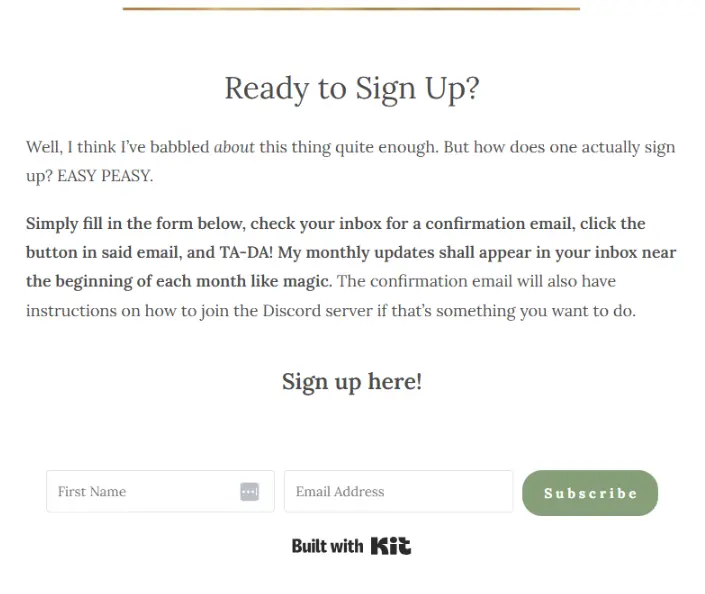
Community-driven offers work particularly well when the creator has already established trust and engagement with their audience.
Product Launches and Waitlists
Creators who sell products often use email lists to build anticipation before a launch.
Followers join waitlists to receive:
- Early access
- Launch announcements
- Exclusive discounts
- Product updates
Email gives creators a direct way to communicate with interested buyers without depending on social media visibility during launch periods.
Creator Collaborations
Partnerships can accelerate subscriber growth.
Newsletter swaps, co-created resources, joint workshops, and collaborative challenges expose creators to audiences that already trust a similar voice. The approach works particularly well when both creators serve related audiences without directly competing.
Regardless of the tactic, successful creators follow the same principle: the email offer feels like a natural extension of the content people already follow them for. When the value is clear and relevant, turning followers into subscribers becomes much easier.
Using Lead Magnets to Convert Followers Into Subscribers
Many creators discover that simply asking followers to "join my newsletter" produces limited results.
Followers are constantly asked to subscribe, follow, sign up, and opt in to various platforms. An email address has value, so most people expect something valuable in return.
Lead magnets help solve that problem.
A lead magnet is a free resource offered in exchange for an email address. The goal isn't to give away everything a creator knows. The goal is to provide a quick win that demonstrates expertise and gives followers a reason to stay connected.
The Best Lead Magnets Solve One Specific Problem
Many creators assume bigger resources produce better results.
In practice, highly specific resources often outperform lengthy ebooks and comprehensive guides.
A content creator may offer a social media content calendar. A fitness creator could provide a beginner workout plan. A finance creator might share a budgeting spreadsheet. Each resource solves a clear problem and delivers immediate value.
Subscribers are more likely to opt in when they understand exactly what they'll receive and how it can help them.
Lead Magnet Ideas by Creator Type
Different audiences respond to different offers.
| Creator Type | Lead Magnet Examples |
| Marketing Creators | Swipe files, campaign templates, content calendars |
| Business Creators | SOPs, frameworks, planning templates |
| Fitness Creators | Workout plans, meal guides, training trackers |
| Finance Creators | Budget spreadsheets, savings calculators |
| Travel Creators | Itineraries, packing lists, travel planners |
| Beauty Creators | Product guides, skincare routines |
| UGC Creators | Pitch templates, rate cards, client outreach guides |
| Influencers | Media kit templates, partnership checklists |
The strongest lead magnets closely align with the creator's content. Followers should immediately recognize the connection between what they see on social media and what they're receiving through email.
Why Simplicity Often Wins
A one-page checklist can outperform a 50-page ebook.
People want solutions they can use immediately. Long resources often feel overwhelming, especially when someone is discovering a creator for the first time.
Simple resources also allow creators to build and test offers quickly. If one lead magnet performs poorly, it can be replaced without investing weeks of work into a complex project.
Match the Offer to the Content
Lead magnets work best when they feel like the natural next step.
A creator who shares Instagram growth advice should offer resources related to social media. A travel creator should focus on travel planning tools and destination guides. Followers who arrive expecting one type of value rarely convert when presented with something unrelated.
Alignment builds trust and improves conversion rates because the offer reinforces the reason people followed in the first place.
Successful lead magnets don't attempt to solve every problem. They solve one problem well enough to demonstrate expertise and begin a direct relationship with the subscriber.
How Creators Promote Their Email Lists Across Social Platforms
A lead magnet or newsletter can't generate subscribers if followers never see it.
Many creators make the mistake of placing a signup link in their bio and assuming interested followers will find it. Most subscribers join because creators actively promote their email offers through their content.
The most effective strategies vary from platform to platform, but the underlying principle remains the same: consistently give followers a reason to move from social media to email.
Instagram offers multiple opportunities to promote an email list.
Creators often use their bio link as the primary destination for newsletter signups, but Stories, Highlights, and Reels frequently drive more action. A Story that demonstrates part of a resource can naturally direct viewers to subscribe for the full version. A Reel can end with a call-to-action that points followers toward a guide, checklist, or newsletter.
Many creators also use Broadcast Channels to share newsletter updates and remind followers about subscriber-only content.
TikTok
TikTok rewards content that delivers value quickly, which makes lead magnets a natural fit.
A creator might share three tips in a video and offer the complete guide through email. Others use pinned comments, profile links, or video captions to direct viewers toward a newsletter or free resource.
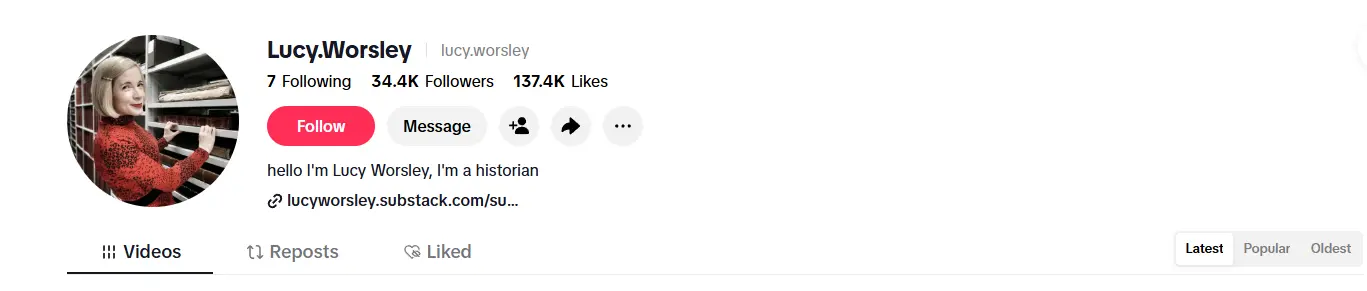
Creator Lucy Worsley, for example, has her Substack link in her TikTok bio. Anyone can click on it and subscribe to her newsletter.
The strongest offers feel connected to the content itself. A TikTok about content creation should lead to a content resource. A TikTok about budgeting should lead to a budgeting resource.
YouTube
YouTube often produces highly engaged subscribers because viewers typically spend more time consuming content.
Creators frequently promote newsletters through video descriptions, pinned comments, resource sections, and verbal mentions within videos. Educational creators often direct viewers toward templates, guides, and downloadable resources that complement the topic being discussed.
Long-form content also provides more opportunities to explain why subscribing is worthwhile.
Email list growth on LinkedIn usually centers around professional expertise.
Business, marketing, and B2B creators often share industry insights publicly while reserving deeper analysis, frameworks, or resources for subscribers. Posts that highlight a specific lesson or trend can naturally direct readers toward a newsletter or downloadable asset.
LinkedIn newsletters have also become a useful discovery channel for creators looking to build both social and email audiences simultaneously.
X
Creators on X often use pinned posts, thread-based content, and newsletter promotions to generate subscribers.
A common approach involves sharing part of an insight publicly and directing readers to subscribe for the complete breakdown. Threads can also serve as effective lead-in content for newsletters that explore a topic in greater depth.
Consistency Matters More Than Virality
Many creators imagine a single viral post generating thousands of subscribers overnight.
Most email lists grow differently.
Creators who consistently mention their newsletter, promote valuable resources, and remind followers why subscribing matters often outperform creators who rely on occasional promotional pushes. Small subscriber gains accumulated over months frequently produce larger and more engaged email lists than short-term bursts of growth.
Email list building is rarely a one-post strategy. It works best when promotion becomes a regular part of the creator's content workflow.
Followers Create Reach. Subscribers Create Stability
Social media remains one of the most powerful audience-building tools available to creators. Platforms such as Instagram, TikTok, YouTube, LinkedIn, and X make it possible to reach thousands or even millions of people through a single piece of content.
Long-term creator businesses, however, rely on more than follower counts alone.
Email gives creators a direct connection to their audience that isn't dependent on algorithms, platform updates, or changing reach patterns. Subscribers become part of an owned audience that creators can engage, nurture, and grow over time.
Successful creators don't choose between social media and email. Social platforms drive discovery, while email strengthens audience relationships. Together, they create a system that turns short-term attention into a lasting community that creators can reach whenever they need to.