NFT gaming has entered a more mature phase in 2026. The early promise of effortless income has faded, but what remains is a stronger generation of NFT games focused on real gameplay, sustainable economies, and true digital ownership.
Today’s top titles blend competitive mechanics, progression systems, and player-driven markets rather than relying solely on token rewards. With all that said, gamers are asking two questions:
- Which NFT games are still worth your time in 2026?
- And which projects have evolved beyond hype into experiences players actually want to return to?
This guide highlights 10 play-to-earn and play-and-own NFT games that stand out for their gameplay depth, ownership models, and long-term viability.
From competitive card games and fantasy sports to metaverse builders and AAA shooters, each entry offers a different way to engage with blockchain gaming. Whether you are here to compete, collect, create, or explore, these are the NFT games shaping what Web3 gaming looks like today.
- Top NFT Games to Play in 2026
- 1. Axie Infinity
- 2. Illuvium
- 3. Gods Unchained
- 4. The Sandbox
- 5. Splinterlands
- 6. Sorare
- 7. The Parallel
- 8. Star Atlas
- 9. Top 10 NFT Games To Check Out in 2026
- 10. Top 10 NFT Games To Check Out in 2026
- How Do NFT Games Work?
- Play-to-Earn vs Play-and-Own: What’s the Difference?
- How to Choose the Right NFT Game for You
- The State of NFT Gaming in 2026 and What to Play Next
- Frequently Asked Questions
Top NFT Games to Play in 2026
As mentioned earlier, not all NFT games are built the same. You can find them in all sorts of genres and styles, making it hard to choose which ones to play. So the best choice for you mainly depends on your personal preference.
Additionally, while some NFT games are play-to-earn, others are just pure play, so it’s up to you to decide which type of game would be best for you. To help make your choice easier, here are some of the top NFT games you should consider playing in 2025.
1. Axie Infinity
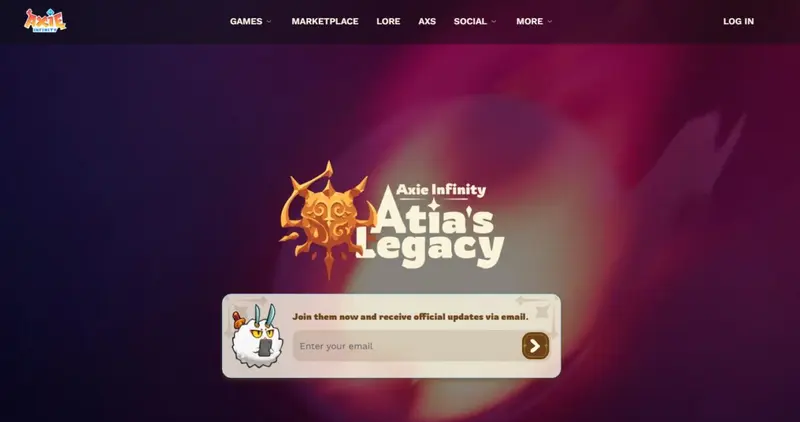
Blockchain: Ronin
NFT Type: Collectible creatures (Axies)
Primary Tokens: AXS (governance), SLP (gameplay and breeding)
Gameplay Model: Turn-based battles, breeding, and trading
Peak Adoption: About 2.7 to 2.8 million daily active users in 2021
Axie Infinity is one of the most historically significant NFT games and a key driver behind the early popularity of play-to-earn gaming. While its daily active users peaked at roughly 2.7 to 2.8 million in 2021, that figure reflects a past high rather than current activity, which is substantially lower today.
Read More2. Illuvium
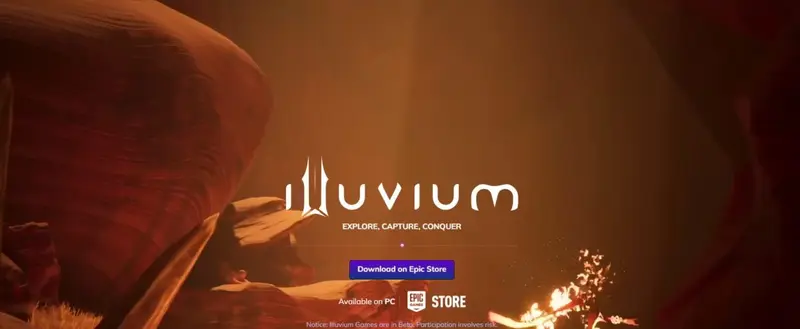
Blockchain: Ethereum via Immutable X
NFT Type: Creature NFTs (Illuvials), items, land
Primary Token: ILV (governance/rewards), sILV2 (in-game)
Gameplay Model: Open-world RPG, auto-battler, exploration
Interconnected Titles: Overworld, Arena, Zero
Illuvium is an ambitious blockchain gaming ecosystem built on Ethereum with Layer-2 scaling provided by Immutable X, designed to offer a triple-A quality open-world RPG experience combined with NFT ownership and play-to-earn incentives.
Players explore a sci-fi fantasy landscape as hunters, capturing deity-like creatures called Illuvials, training them, and using them in strategic auto-battler combat. Illuvials and other in-game assets exist as NFTs players retain and can trade on IlluviDEX or external markets.
Read More3. Gods Unchained
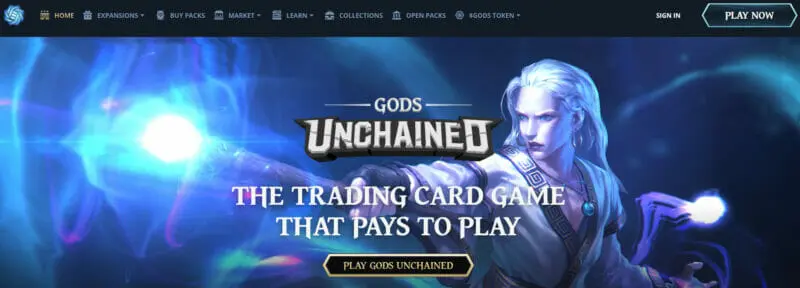
Blockchain: Ethereum via Immutable X
NFT Type: Card NFTs
Primary Token: GODS (currency and rewards)
Gameplay Model: Competitive tactical card battles
Entry: Free to play with optional wallet integration
Gods Unchained is a free-to-play blockchain trading card game that lets players truly own, trade, and sell in-game cards as NFTs on Ethereum’s Layer-2 Immutable X network.
Unlike many NFT games that require purchase upfront, anyone can begin with a starter deck and start playing without spending money, though linking a crypto wallet unlocks full NFT ownership and rewards.
Read More4. The Sandbox

Blockchain: Ethereum (Layer-2 scaling initiatives)
NFT Type: LAND (virtual real estate), ASSETS, avatars, wearable items
Primary Token: SAND (utility, governance, transactions)
Gameplay Model: Metaverse building, social interaction, creator economy
Core Feature: User-generated games and experiences
The Sandbox is a decentralized metaverse and virtual world built on the Ethereum blockchain where players and creators can build, own, and monetize interactive experiences and assets as NFTs.
Players can purchase virtual plots of land called LAND, which serve as the foundation for games, galleries, social hubs, and immersive encounters designed by users and brands.
LAND ownership confers full creative control, allowing holders to host experiences and earn revenue through entry fees, asset sales, and other monetization mechanics.
Read More5. Splinterlands
Blockchain: Hive
NFT Type: Collectible card NFTs
Primary Tokens: SPS (governance), DEC (in-game utility and rewards)
Gameplay Model: Strategic card battles with ranked matches, quests and tournaments
Entry Requirement: Summoner’s Spellbook and optional card collection to earn rewards
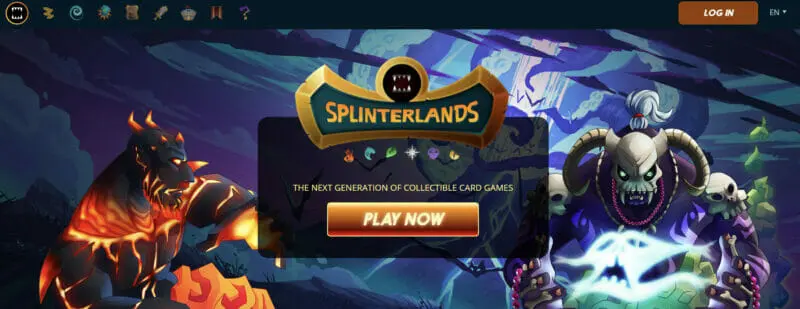
Splinterlands is a long-running, play-to-earn blockchain card game where players collect, trade and battle with unique NFT cards on the Hive blockchain. Each card has distinct attributes and abilities, and matches typically take just a few minutes, making the game accessible while still demanding strategic deck building and decision-making.
Read More6. Sorare
Blockchain: Solana (migrated from Ethereum/StarkEx)
NFT Type: Licensed player cards (football/soccer, basketball, baseball)
Primary Tokens: NFT cards (unique assets)
Gameplay Model: Fantasy sports lineup competition and tournaments
Entry: Free play available; stronger rewards often require owned cards
Sorare is a blockchain-based fantasy sports game where players collect officially licensed player card NFTs, assemble teams, and compete in weekly competitions based on real-world athlete performance. Players earn rewards such as crypto, cash, or special items for placing well in contests, with scoring tied directly to athletes’ actual match statistics.
Read More7. The Parallel
Blockchain: Ethereum (NFT assets)
NFT Type: Digital trading cards, cosmetics, avatars, runes
Primary Token: $PRIME (utility and reward token)
Gameplay Model: Strategic TCG with daily missions, daily rewards and battle pass systems
Entry: Free-to-play with earnable rewards; NFT cards optional for deeper progression
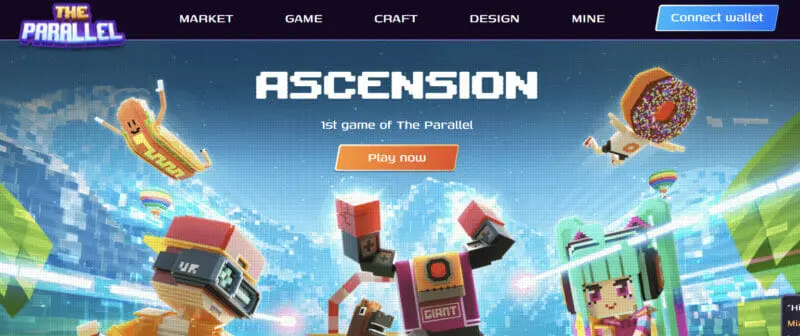
The Parallel is a blockchain-enabled trading card game (TCG) set within a broader metaverse universe where players collect, battle and trade NFT cards tied to distinct Parallels factions.
Read More8. Star Atlas
Blockchain: Solana
NFT Type: Ships, land, crew, items and other in-game assets
Primary Tokens: ATLAS (in-game currency), POLIS (governance)
Gameplay Model: Massive multiplayer online metaverse with exploration, strategy, resource management, combat and territory control
Entry: Free-to-play early access with optional NFT integration
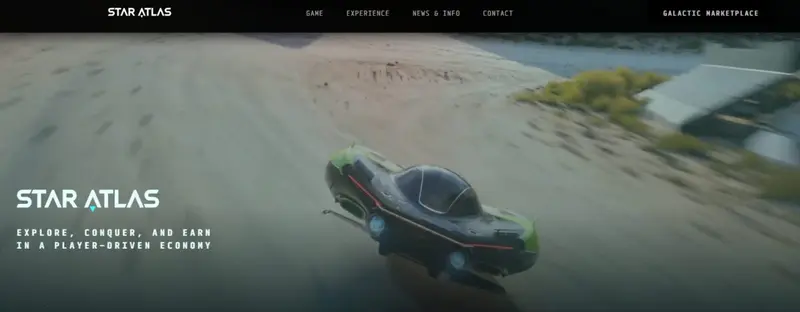
Star Atlas is an ambitious blockchain-powered space exploration and grand strategy metaverse that blends MMO scale with play-to-earn economics and decentralized governance.
Set in a futuristic universe where three galactic factions (humans, androids, and aliens) compete for resources, territory and political dominance, the game allows players to explore star systems, pilot NFT ships, gather resources, engage in combat and participate in a player-driven economy.
Read More9. Top 10 NFT Games To Check Out in 2026
Blockchain: Avalanche subnet
NFT Type: Weapon skins, gear, operator items and custom content
Primary Token: SHRAP (utility and governance)
Gameplay Model: Competitive extraction shooter (FPS) with blockchain-enabled ownership and player-created content
Entry: Early access free-to-play (optional wallet linking)
Shrapnel is a blockchain-enabled competitive first-person extraction shooter where players enter high-stakes combat zones to collect a volatile resource called Sigma while battling rival squads and surviving to extract it safely.
Built by Neon Machine with industry veterans from major AAA franchises, the game emphasizes skill-based gameplay, team tactics, and strategic extraction mechanics rather than simple reward loops. It combines traditional FPS action with Web3 elements that enable true digital ownership of in-game assets.
Read More10. Top 10 NFT Games To Check Out in 2026
Blockchain: Ethereum (LayerZero omnichain expansion)
NFT Type: Custom assets, avatars, interactive items & community content
Primary Token: $ISLAND (ecosystem utility and rewards)
Gameplay Model: Social metaverse with sandbox creation, mini-games, quests & rewards
Entry: Free-to-play open world with optional NFT and token features
Nifty Island is a free-to-play social metaverse sandbox where players can build, explore and interact in a persistent virtual world. Every player starts with their own customizable island, which can be developed with structures, objects and shareable experiences like obstacle courses, races, battle royale-style games and other user-created mini-games.
The platform emphasizes user-generated content (UGC) and community collaboration, letting players build games and attractions that others can visit and enjoy.
Read MoreHow Do NFT Games Work?
NFT games use a combination of traditional gaming design and non-traditional gaming mechanisms, which are typically centered on NFTs. These games incorporate NFTs not just in the game mechanisms but also in their rules and player interactions. For example, the items you find in-game may be NFTs that you can collect, and you may be able to swap NFTs with other players.
Additionally, you can also find play-to-earn NFT games that allow users to earn an income by playing. In these games, players get rewarded with tokens and have the ability to earn more the longer they play. However, most of these games require an upfront investment that you have to first recover before you can start making money.
Play-to-Earn vs Play-and-Own: What’s the Difference?
NFT games generally fall into two economic models, play-to-earn and play-and-own. Understanding the distinction is essential for setting realistic expectations about income, ownership, and long-term value before committing time or money.
Play-To-Earn NFT Games
Play-to-earn games are built around reward loops where players receive tokens or assets for completing activities such as battles, quests, or rankings. In theory, time and skill translate into measurable rewards.
In practice, earnings depend heavily on token supply, demand, and overall player growth. Many early play-to-earn titles experienced rapid adoption followed by sharp declines when reward tokens lost value or inflation outpaced demand.
For players, this means earnings are variable, market dependent, and rarely predictable over the long term. Play to earn works best when treated as a bonus layered on top of gameplay rather than a reliable income source.
Play-and-Own NFT Games
Play-and-own games shift the focus away from short-term rewards and toward permanent digital ownership. Players collect NFTs such as cards, characters, land, or cosmetics that retain utility regardless of daily token payouts.
Value comes from scarcity, usability, and demand within the ecosystem rather than constant emissions. While some play and own games still include rewards, progression and enjoyment are not dependent on earning tokens every session. This model tends to align more closely with traditional gaming, where ownership, progression, and competitive depth matter more than cash flow.
The key difference lies in expectations. Play-to-earn emphasizes liquidity and short-term incentives but carries higher volatility and economic risk. Play-and-own prioritizes asset control, long-term engagement, and player-driven markets, often at the expense of immediate payouts.
Most successful NFT games blend both approaches. They offer ownership first and optional earnings second, rather than positioning games as income tools. For players, the safest mindset is to choose games you would play even without rewards, and treat any earnings as upside rather than a guarantee.
How to Choose the Right NFT Game for You
Not all NFT games are built for the same type of player. Some prioritize competitive depth, others focus on ownership or creativity, and a few lean toward real-world utility.
Below are common reasons players explore NFT games, paired with the titles that best fit each goal.
- You want competitive, skill-based gameplay -> Gods Unchained, Parallel
- You want real-world utility tied to gameplay -> Sorare
- You want deep progression and long-term ownership -> Illuvium, Star Atlas
- You want fast matches with flexible earning options -> Splinterlands
- You want creative freedom and social gameplay -> The Sandbox, Nifty Island
- You want AAA-style shooter gameplay -> Shrapnel
- You want a proven, legacy NFT ecosystem -> Axie Infinity
|
Game |
Core Genre | Blockchain | NFT Focus | Skill vs Ownership | Entry Barrier |
Best For |
| Axie Infinity | Creature battles | Ronin | Characters | Ownership focused | Medium | Legacy NFT gaming |
| Illuvium | RPG / auto-battler | Ethereum L2 | Creatures, land | Skill + ownership | Medium to high | Long-term progression |
| Gods Unchained | Trading card game | Ethereum L2 | Cards | Skill focused | Low | Competitive play |
| The Sandbox | Metaverse builder | Ethereum | Land, assets | Ownership focused | Medium | Creators and brands |
| Splinterlands | Card battles | Hive | Cards | Skill + earning | Low | Fast, repeat play |
| Sorare | Fantasy sports | Solana | Player cards | Knowledge based | Low to medium | Sports fans |
| Parallel | Trading card game | Ethereum | Cards, avatars | Skill focused | Low | Tactical TCG players |
| Star Atlas | Space MMO | Solana | Ships, land | Ownership focused | Medium | Large-scale worlds |
| Shrapnel | FPS shooter | Avalanche | Gear, skins | Skill focused | Low | Competitive FPS |
| Nifty Island | Social sandbox | Ethereum | UGC assets | Creativity focused | Low | Casual and social play |
The State of NFT Gaming in 2026 and What to Play Next
NFT gaming in 2026 looks very different from its early hype-driven years. The focus has shifted away from short-term earning promises toward stronger gameplay, sustainable economies, and genuine digital ownership.
Today’s leading NFT games resemble traditional titles first, with blockchain features enhancing progression, customization, and player control rather than defining the entire experience.
The best projects now give players clear choices. Competitive players can focus on skill-based card games and shooters. Creators can build and monetize worlds and experiences. Sports fans can turn real-world knowledge into strategic advantages. And long-term players can invest time in persistent universes built to evolve over years, not months.
If there is one takeaway, it is this: choose NFT games the same way you choose any other game.
Prioritize gameplay you enjoy, communities you want to be part of, and systems you trust to last. Ownership and rewards should feel like meaningful bonuses, not the sole reason to log in.
Yes. Some studios release companion collections to fund development or reward early supporters, often using an NFT collection generator to create large sets with rarity traits tied to in game utility rather than pure cosmetics. Many projects work with a specialized NFT marketing agency to coordinate creator campaigns, community activations, and platform-specific launches that go beyond standard crypto advertising. They can be, especially when campaigns focus on creators who understand gameplay and culture, as seen in influencer marketing for generative art, where authenticity often drives better engagement than reach alone. Smaller creators tend to have more trust with niche audiences, and many studios now rely on micro influencers as part of how to build NFT campaigns that emphasize gameplay demos and community interaction. Some NFT games use branded or player-owned identities via NFT domains to simplify logins, unify identities across platforms, or add status markers inside metaverse environments. Despite new social platforms, many players still rely on NFT Telegram groups for real-time updates, early announcements, patch notes, and direct interaction with developers. Successful teams focus on sustainable messaging and staggered releases, often following proven crypto NFT promotional strategies that prioritize retention and community trust over short term spikes. Not always. Many teams and creators rely on existing NFT makers to design characters, items, or cosmetics before integrating them into game engines and on chain systems.Frequently Asked Questions
Can NFT games benefit from launching their own NFT collections?
How do NFT games usually promote new launches or seasons?
Are influencers still effective for promoting NFT games in 2026?
Why do NFT games often work with micro influencers instead of large creators?
What role do NFT domains play in gaming projects?
Why are Telegram communities still important for NFT games?
How do studios balance hype with long term growth when promoting NFT games?
Do NFT games require custom tools to create in game assets?