

Why are some product bundles everywhere on TikTok while others never make it out of the box? And why are 2026’s fastest-growing DTC brands treating packaging as a storytelling tool instead of a logistics detail?
Across beauty, wellness, and lifestyle, a clear pattern has emerged: Bundles that are designed for the camera drive both content volume and revenue lift.
Two-step kits, starter sets, and limited “creator edits” are outperforming single-SKU launches because they fit seamlessly into the language of short-form video—unboxings, GRWMs, and “TikTok Made Me Buy It” trends.
This isn’t about bundling for inventory efficiency anymore. It’s about engineering DTC bundles that naturally increase AOV bundles and multiply user-generated content with every shipment.
From the way a product sits in the box to how it’s named on the PDP, the new rule is simple: if it films well, it sells well.
- Why UGC-Ready Bundles Are the New DTC Growth Engine
- The Logic Behind Bundles That Sell Themselves
- Price Psychology: Engineering Perceived Value (Without Killing Margins)
- Seeding & UGC Prompts: Turning Orders Into Content
- Post-Purchase Flow: From Unboxing to Retargeting Loop
- UGC-Ready Bundles: The New Currency of DTC Growth
- Frequently Asked Questions
Why UGC-Ready Bundles Are the New DTC Growth Engine
For most direct-to-consumer (DTC) brands, the era of pretty packaging bundles is over. What’s replacing it in 2025 is something far more strategic: Bundles engineered not just to lift average order value (AOV) but to spark user-generated content (UGC) loops across TikTok, Instagram Reels, and YouTube Shorts.
In this model, every kit becomes both a checkout nudge and a content brief.
From AOV Tactic to UGC Flywheel
The commercial case for UGC is well established: shoppers who engage with user-generated reviews and visuals convert far more often and deliver higher revenue per visitor, according to Bazaarvoice’s network-level analyses.
That makes bundles a natural content catalyst. Multi-item kits create more to unbox, swatch, and compare on camera—especially on TikTok and Reels, where “get ready with me” and “TikTok made me buy it” formats continue to drive shopping intent.
Shopify’s overview of the “TikTok made me buy it” trend breaks down how creator videos routinely push specific product sets into demand spikes.
@fleureleanorgreen does your hair look greasy even though you’ve just washed it?!?! Ps the green paint is from the house Reno!! 💁🏽♀️ #hairoiling #fyp #rosemaryandbatanaoil #naturespell #foryoupage
Several beauty leaders lean into bundle formats that are purpose-built for filming and sharing:
- Glow Recipe markets multi-product routines (e.g., Watermelon Glow Dewy Skin Routine and Double the Glow Kit) that lend themselves to “routine in a box” content. Product pages show the exact components shoppers expect to demo on camera.
@aislinnfoutz loving the @Glow Recipe Dewy Skin Dazzlers holiday kit 💝 #glowrecipe #glowrecipewatermelonglow #skincareroutine #officialglowgangambassador
- Vacation Inc. maintains a dedicated bundles collection—multipacks and themed kits like Summer Beach Pack and SPF trios—that fit neatly into unboxing and “restock with me” tropes.
@staffroomtalks @Vacation Inc. is a perfect example of how to incorporate your branding into every aspect of your marketing 🤌🤩 Anna, one of our graphic designers, breaks it down 📝 #marketingagency #vacationinc #branding #graphicdesign #relatablemarketing
- Glossier runs an ongoing Sets program (e.g., Blueprint Set, Daily Body Duo, In Your Bag Duo) that packages hero items with complementary add-ons—ideal for GRWM and “starter kit” videos that regularly circulate on social.
@janjan.maria let’s go through the new @Glossier fragrance holiday kits ❄️ #glossierpartner #glossieryou #holidaykits
These are not illustrative placeholders—they’re live, purchasable bundles designed in ways that map to how creators actually film: one hero, a couple of supporting SKUs, and a clear routine or reveal.
Why Social Bundling Finally Makes It Scalable
The real breakthrough of 2026 isn’t backend automation, it’s social behavior normalization. On TikTok, the hashtag #TikTokMadeMeBuyIt has now surpassed 24 million posts globally, according to TikTok’s own Creative Center data.
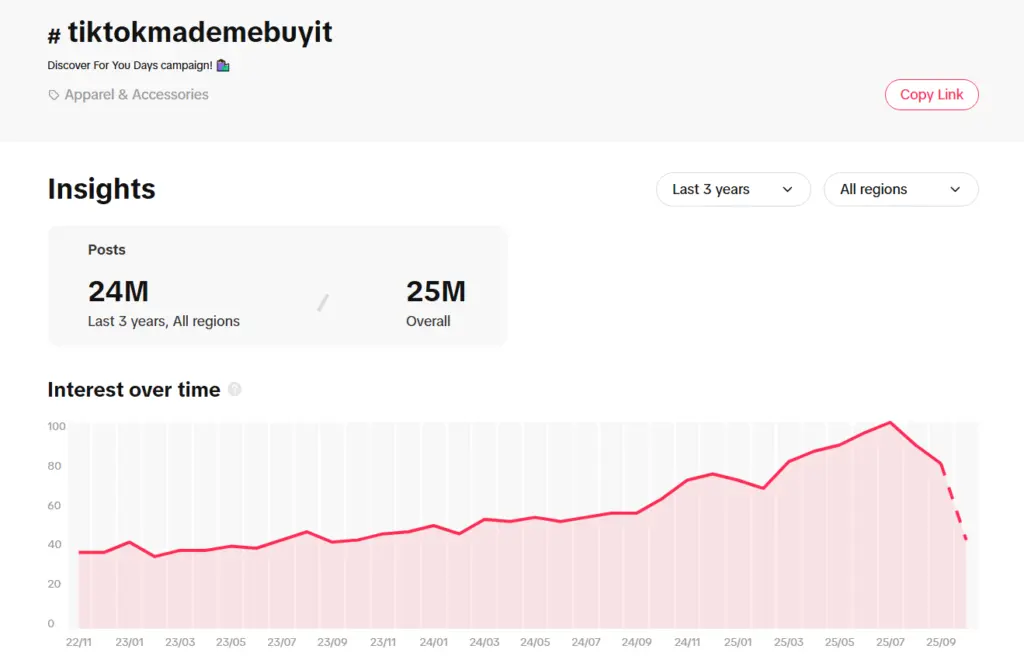
Multi-item kits consistently outperform single-product showcases because they invite participation rather than passive viewing — giving users more to test, unbox, and react to in one clip.
In practice, bundles built for video get remixed rapidly. When Rhode Skin’s Peptide Glazing Duo gained momentum, numerous creators filmed translucent “glazing routine” clips using similar ingredients and formats, pointing to a content-first feedback loop.
@222katerina new @rhode skin holiday duo feat. the new peppermint glaze peptide lip treatment ❤️🤍 the way the moment I smelled peppermint glaze I immediately placed another order 😭 too good #rhode #rhodeskin #rhodepeppermintglaze #rhodeholidayduo #rhodeliptreatment #haileybieber #newmakeup #beautytok
Even package design has turned social-aware. Many brands now lean into minimal interior packaging, modular unboxing steps, and sleeves or labels that frame the shot well on camera. Such detail matters—just a single element that’s off (crumpled box, excess stuffing) can force a second take and kill share momentum.
Takeaway
The scalable advantage in 2025 comes from designing bundles with social logic at their core: a hero product to anchor a shot, one or two add-ons to illustrate “before/after” or process, and packaging that reads cleanly on camera. Done right, each order can become a coaching brief for UGC content, reinforcing the cycle of more clips → more buyers → more content.
The Logic Behind Bundles That Sell Themselves
DTC bundles that move on social aren’t random value packs—they’re built to be filmed. The winning pattern is simple. One unmistakable hero that anchors the shot, plus one or two add-ons that make a visible change (texture, finish, scent, color).
Pack it so the steps are obvious on camera, name it so it’s easy to caption, and you’ve got a kit creators want to recreate—and shoppers can copy without thinking.
Hero + Add-Ons (A Visual Story in Two Cuts)
A strong hero product gives viewers the why; supporting SKUs provide the how. Beauty brands are great proof points because transformation reads instantly on video. Glow Recipe regularly pairs a hero (e.g., Dew Drops) with complementary steps in “routine” kits that slot neatly into GRWM formats.
TikTok’s official case study for Glor Recipe documents how the brand engineered discovery around these pairings, with first-time buyers dominating traffic from TikTok, exactly what you want when aiming to increase AOV bundles through social entry points.
@glowrecipe We all get dark spots, but with the right ingredients you can treat & prevent them for glowing skin ✨ #GlowRecipe #DarkSpots #MySkincareRoutine
Glossier’s live Sets catalog shows this structure in practice. Clearly labeled duos/trios like The Dewy Look or Plush Brush Duo bundle a hero with an enabling tool or finish, making it obvious what to show in a 15-second clip and removing creative friction for customers who want to copy the look.
@glossier Straight from @Hannah’s lips 👄 #glossier #balmdotcom
That clarity is why these DTC bundles feature prominently across its shop.
“TikTok Made Me Buy It” Kits (Built for Participation)
Kits spread when they’re easy to participate in: a nameable format, a few steps, and a reveal. Rhode leans into compact, camera-ready sets (e.g., The Rhode Kit, The Duo, The Glow Set), which fans repeatedly film as two-step “glaze” routines—short, repeatable, and highly shoppable from captions.
@rhode @jodes’s rhode kit routine ✨🫶
If you want category-agnostic evidence that the kit format aligns with TikTok behavior, Business of Fashion’s recent reporting summarizes why brands leaned harder into TikTok Shop: products with standout on-camera narratives and formats cut through faster in commerce feeds. Bundles give you that narrative pre-baked.
Design Rules That Reduce “Filming Friction”
- One transformation per kit. Structure the bundle so a viewer can understand the change at a glance (glow, matte, scent “vibe,” shade shift). Glow Recipe’s routine-based pairings illustrate how to make that transformation legible on camera.
- Name the use-case. Sets titled around the outcome (Dewy, Daily, On-the-Go) make captioning and search trivial—see Glossier’s and Rhode’s set naming.
- Package for the frame. Keep pieces compact, label steps, minimize filler. Vacation Inc.’s themed bundles show how visual cohesion (and even a playful extra) invites posting.
Bottom line: Bundles that sell themselves are really content kits—a hero for the hook, add-ons for the demo, and packaging that performs on camera. Use this structure to design DTC bundles that creators want to film, and you’ll naturally increase AOV bundles as the format spreads through UGC.
Price Psychology: Engineering Perceived Value (Without Killing Margins)
Price isn’t just a number on a PDP; it’s a story. The DTC bundles that increase AOV bundles most reliably make that story obvious in two seconds: “What am I getting? How much am I saving? Why is this the smartest version of my purchase?”
Below are the price-psychology moves that work on social and convert on site, with live brand examples for guidance.
Anchoring & Framing: Show the Delta, Not the Math
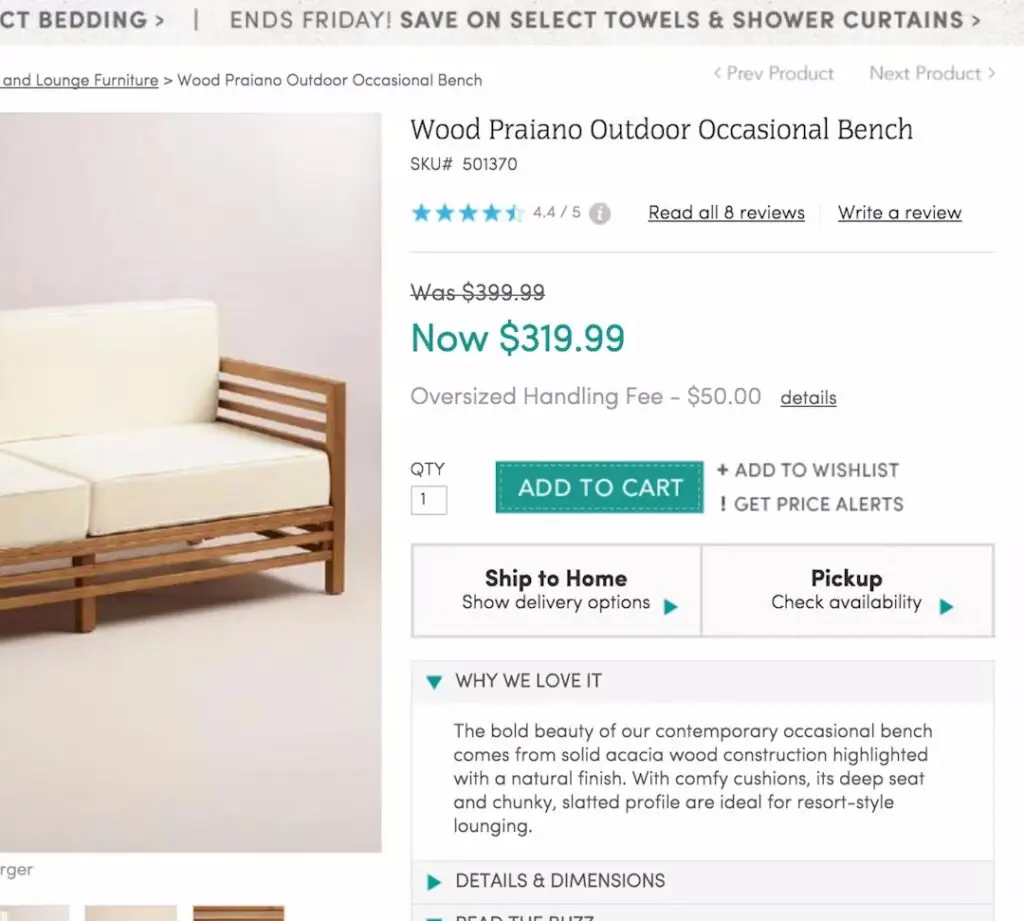
Clear anchors (“was $X, now $Y” plus explicit “Save Z%”) reduce cognitive load and lift confidence. Large-scale UX testing from Baymard shows that strikethroughs and prominent sale prices help users quickly understand what they’ll actually pay; burying the discount forces mental math and hurts conversion.
A practical example is the e.l.f. Cosmetics merchandise bundles with an up-front value callout (e.g., “$29 value”) and a visible bundle price on the same tile, which makes the savings instantly scannable in a feed or PDP.
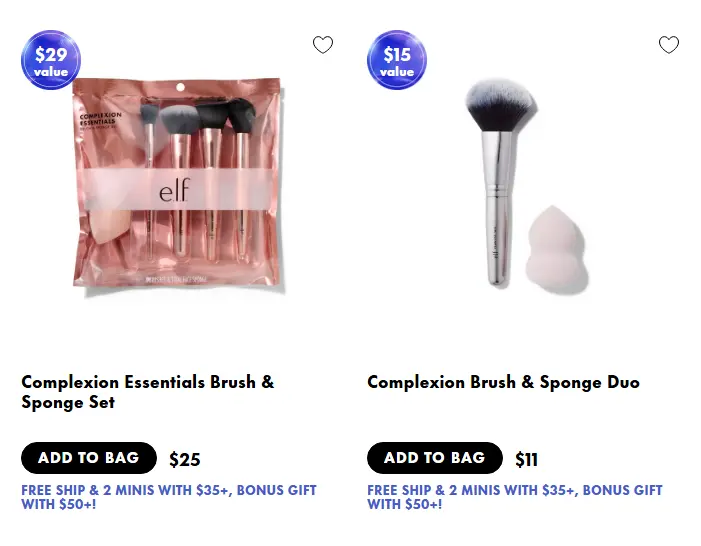
This is the exact kind of framing that travels well into creator captions.
One-Step Justification: Thresholds That “Complete the Kit”
Pair the bundle price with a perk threshold so finishing the kit feels rational (free shipping, bonus mini, or auto-applied promo). Again, Baymard’s holiday UX guidance reinforces how clearly conveying discounts and applying promos automatically lowers friction, ideal for creators who repeat your offer mechanics verbatim.
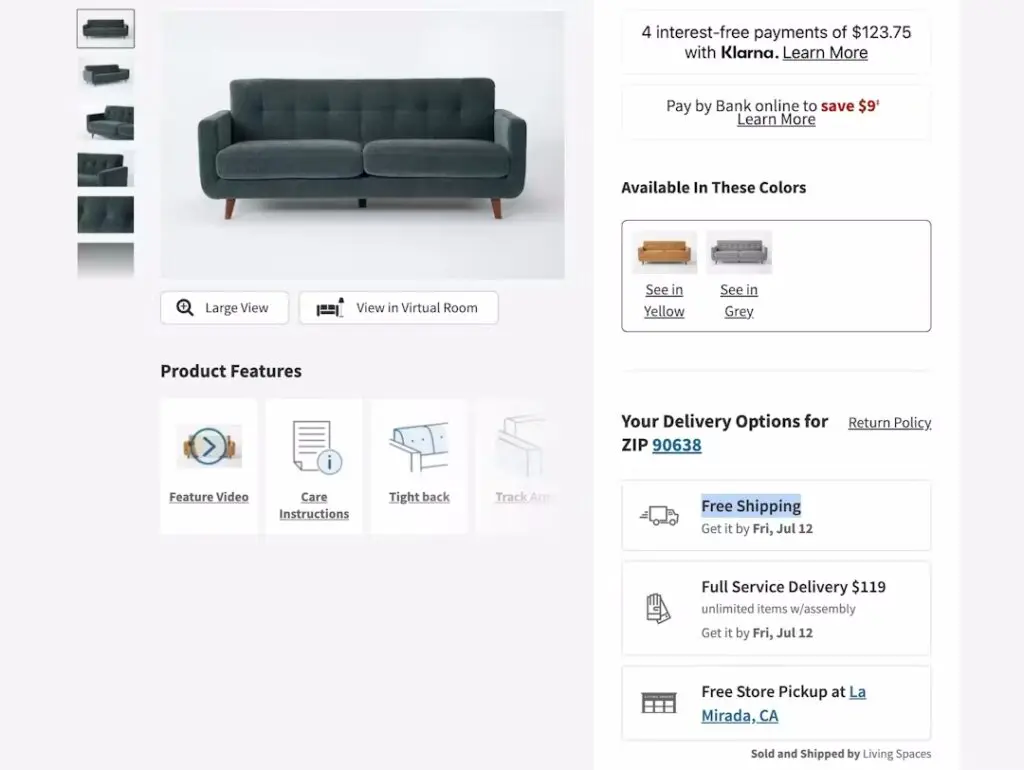
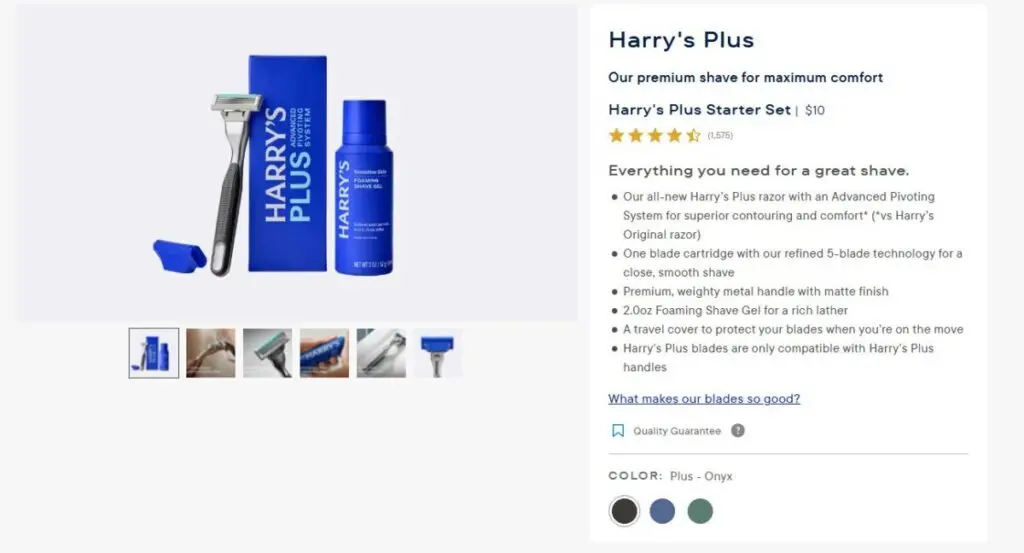
Subscription-style starter kits also do this well. Harry’s surfaces a low entry price for a complete shave set on its customized flow, making the bundle feel like the sensible “all-set” choice versus piecing items together.
Multipacks & Unit Economics: Let Per-Unit Win the Argument
If your bundle is a multipack, display the price per unit. Baymard found 86% of sites fail to show unit pricing, even though it meaningfully improves comparison and nudges shoppers toward higher-value orders.
On social, creators instinctively quote per-unit math when it’s visible—turning your merch math into their talking point.
Outside beauty, OLIPOP’s variety 12-packs and Chamberlain Coffee’s starter/duo kits make it easy for shoppers to compare “per can” or “per bag” in one glance; the bundle gives a ready-to-try spread that’s simple to justify on camera and at checkout.
@wellandworthit Big win for your gut and your cart! 🛒✨ Just grabbed the new @OLIPOP 12-pack at @Sam’s Club and I’m stocked, sippin’, and seriously set. This variety pack makes it so easy to keep my favorite functional soda on hand—plus, it supports digestive health and tastes amazing. Run, don’t walk—this one’s a Sam’s Club exclusive! #DrinkOLIPOP #OLIPOPPartner #indyhummingbirds
The creator in the video specifically calls out the per-can price, which in this case comes to $1.40.
Social Proof that Mirrors the Price Story
Your price framing should match how creators and customers actually talk about value on social platforms. When your on-site language aligns with what people naturally say in UGC—“starter kit,” “value set,” “save 20%”—it lowers friction and amplifies consistency across paid and organic content.
Creators tend to highlight two things when discussing a bundle: ease (“everything I need in one set”) and savings (“you save like twenty bucks”). That’s why your PDP should make those phrases effortless to lift. Keep the “regular vs. bundle” total visible, show the percent or dollar savings in a single glance, and use compact naming that mirrors social shorthand.
The point isn’t to force creators to parrot your copy; it’s to make their captions and videos sound accurate when they describe what’s already clear on your site. When price, naming, and layout all reinforce the same logic, UGC naturally supports your AOV story without extra scripting.
Seeding & UGC Prompts: Turning Orders Into Content
You can’t wait for customers to film; strategically nudge them. A well-designed bundle might get filmed organically, but with active seeding and prompt engineering, you dramatically accelerate the UGC flywheel. This section shows how to turn every bundle order into a content brief.
Seed Bundles Intentionally
- Micro-creator kits: Instead of large influencer campaigns, send small, curated bundle packs (hero + add-ons) to micro and nano creators, even among existing customers. Because the bundle is ready to film, these creators often replicate the look in short-form format with minimal direction.
@club.kali94 ✨ Who else is obsessed with mini beauty products?! 😍 The @mcobeauty us Mystery Mini Bundle is packed with affordable beauty must-haves that work just as well as luxury brands❣️ #mcobeauty #mysterybundle #minimakeup #affordablemakeup #travelsize
- Early-access drops: Release a limited edition bundle first to creators 24-48 hours before public launch. Their first impressions fuel social momentum and give you real UGC assets to retarget later.
@diamantedermocosmetics Get 3 long-lasting oil perfumes (up to 48h!) — limited time only for £29.90 ✨ Travel-size approved. Perfect for holidays! Made with 100% natural, organic ingredients 🌿 #fyp #vanilla #vanillascents #soldejaneirodupe #tomforddupe #soldejaniero
- Creator bundles: Let creators co-design or pick a themed bundle, and use that bundle’s name on social. Their vested interest increases content output.
Prompt Design: What to Ask (and Where)
A prompt isn’t a command; it’s a creative invitation. Embed it subtly:
- Unboxing questions: “Show me everything that surprised you” or “Film the moment you open the texture closest to your skin.”
- Routine angles: “Tell us your step-by-step with the kit you just got vs how you used to do it.”
- Reveal prompts: “Film how your morning glow changes” or “Use the kit and show what’s different after a week.”
Place prompts in packaging materials (print cards), post-purchase emails, and SMS flows.
Prompt Seeding & Amplification
- Branded hashtags: Create a unique hashtag for the bundle, e.g. #GlowRoutineKit, and request customers tag it. Use that same tag on creators’ posts so your UGC pool is unified.
- Review-to-UGC: After a review prompt, request customers to post a video version of their written review (with incentives).
- UGC contests: Offer an extra bonus add-on for “best 15-second video of your routine this week” to activate customers who wouldn’t otherwise film.
- Retargeting with seeded clips: Use the UGC your seeded creators provide in retargeted ads—show “See how @creator used the kit” → “Buy your own kit.” That reinforces the value loop.
Takeaway
Strategically seeding and prompting turns every bundle order into a creative brief on autopilot. It removes creative friction, aligns customers and creators on format, and accelerates how quickly you can fill your social feed with assets tied to increasing AOV bundles.
Post-Purchase Flow: From Unboxing to Retargeting Loop
The most successful DTC bundles build a content loop that extends long after the order ships. A buyer becomes a micro-creator the moment the box lands on their doorstep. If your brand captures that moment and recycles it back into your marketing ecosystem, every sale feeds discovery.
Design the Unboxing to Be Filmed
Unboxing is the easiest UGC entry point, but only if you choreograph it. Keep filler minimal, arrange items in the order they’ll appear on camera, and use inserts or QR codes to prompt recording.
Starface’s distinctive yellow cases and sticker sheets are a masterclass in this. Their packaging doubles as a filming prop, driving thousands of organic “restock with me” clips on TikTok under #starface.
@justcarolynontiktok She’s restocked, she’s thriving ✨🩵⭐️ #starface #skincare #pimplepatch #skincareroutine
Adding a short call-to-action on the inside flap, “Show us your routine with #YourKitName”, turns packaging into a direct social brief. When the CTA is printed rather than hidden in email copy, participation rates climb.
Feed Customer UGC Back into Retargeting
Once the clips roll in, close the loop. Collect tagged videos through your social listening or UGC platform and repurpose them in ads. The best examples feature real customer clips tagged with product SKUs, proving how authentic content outperforms staged creative.
The skincare brand Drunk Elephant has built a repeatable UGC engine around exactly this approach. The brand consistently sources creator videos showing real before-and-after results and integrates that footage into its social campaigns.
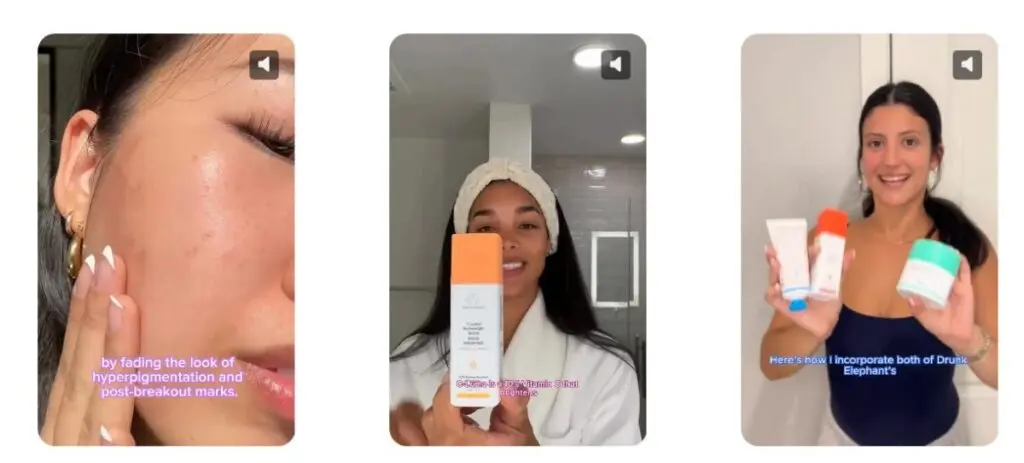
Rather than relying on polished studio ads, Drunk Elephant’s team curates UGC from its community and reuses it across TikTok and Instagram—highlighting authentic reactions and visible transformations. That creative mix has been credited with making the brand one of the most talked-about skincare lines among Gen Alpha, particularly during the holiday season.
On PDPs, display carousels sourced from customer posts with permission. Shoppers seeing peers unbox or apply the full kit are more likely to replicate the purchase, lifting both conversion and bundle completion rates.
Finally, the second-purchase flow should reward participation, not just spending. Offer early access to a new bundle or feature, top community clips in the next campaign.
Takeaway
Post-purchase is where the UGC engine compounds. Every unboxing can become a TikTok, every TikTok can become an ad, and every ad can lead to another filmed order. If you design that loop deliberately, your dtc bundles become a living ecosystem of content that continually drives new customers and increases AOV bundles without added spend.
UGC-Ready Bundles: The New Currency of DTC Growth
The future of bundling isn’t logistical—it’s cultural. Today’s DTC bundles don’t just raise average order value; they feed the social loop that keeps brands relevant. A well-built bundle doubles as a content kit: easy to film, satisfying to unbox, and impossible to scroll past.
From Rhode’s two-step “glazing” sets to Vacation Inc.’s playful SPF bundles, brands are proving that products designed for participation outperform products designed for shelving.
The takeaway is simple. Every bundle should earn its camera time. Think visually, name clearly, price transparently, and seed deliberately. If your kit tells a story in 15 seconds, it’s already optimized for both conversion and culture.
In 2025’s creator-driven economy, that intersection—commerce that performs on camera—is where AOV lifts, content scales, and brands stay visible long after checkout.
Frequently Asked Questions
How can DTC brands source authentic creators for bundle campaigns?
Partnering with curated influencer marketplaces helps brands find creators who already post in their niche, ensuring natural content fit and faster UGC turnaround.
What role do UGC agencies play in scaling bundle campaigns?
Specialized UGC agencies manage sourcing, briefing, and licensing across multiple creators—ideal for brands that need ongoing video content for bundle promotions.
How do micro-influencer pods help promote bundles efficiently?
Collaborative micro-influencer UGC pods enable smaller creators to exchange filming support and cross-tag each other’s bundle content, amplifying reach without paid spend.
What should a good influencer brief include for a bundle launch?
A strong brief outlines the kit’s story arc, talking points, and filming angles—mirroring the structure from DTC product launch influencer brief creations.
How can TikTok ad agencies support bundle-driven growth?
Expert TikTok ads agencies handle creative testing and Spark Ad deployment, helping DTC brands amplify organic UGC clips into scalable paid performance.
How should brands handle organic versus paid usage rights for UGC?
Clarify ownership and repurposing terms up front; proper organic vs paid usage rights management prevents disputes when reusing customer videos in ads.
How can brands adapt bundle promotions for different social platforms?
Following a structured multi-platform launch brief ensures that captions, visuals, and calls-to-action fit each platform’s native tone while keeping bundle messaging consistent.
When should brands refresh their UGC ad creatives for bundles?
Rotating visuals every few weeks—especially around seasonal themes like in UGC ad creatives holidays—keeps engagement high and prevents ad fatigue.

SUGGESTED
Product Bundles & Starter Kits that Boost AOV
Boost AOV without raising CAC. Discover how bundling influencer storytelling and pricing...