Spend enough time on TikTok and Comfrt can start to feel like it is everywhere.
One creator is stretching a pair of Cloud Pants. Another is comparing adult and kids’ sizes. Someone else is demonstrating a travel hoodie with hidden pockets and a built-in eye mask. Different creators appear on screen, yet familiar messages keep returning: buttery soft, slightly weighted, selling out, on sale, link below...
The brand's rise came from a system built to produce, test, distribute, and monetize creator content at extraordinary volume.
That system turned a disappointing launch into explosive growth. It also generated demand so quickly that inventory, cash flow, and customer service repeatedly struggled to keep pace.
- Before Comfrt, Hudson Leogrande Learned How Quickly Influence Can Disappear
- Comfrt Was Built to Be Felt, Worn, and Shared
- A Product Built for the Feed
- From 20 Creators to a 500-Person Content Engine
- The TikTok Formula Behind Comfrt’s Virality
- How Leogrande Turned TikTok Creator Content Into a Cross-Channel Ad Engine
- The Challenges Behind Comfrt’s Viral Marketing Growth
- How Comfrt Is Expanding Beyond Viral Hoodies Into a Lifestyle Brand
- Comfrt’s Real Advantage Is the Machine Behind the Hoodie
Before Comfrt, Hudson Leogrande Learned How Quickly Influence Can Disappear
Comfrt's founder, Hudson Leogrande, spent years trying to grow his first eCommerce business, oral-care brand PurelyWhite Deluxe. A Forbes 30 Under 30 and voted 20206 EY Entrepreneur of the year, PureWhite's breakthrough came when a Snapchat creator posted about the product and reportedly generated approximately $4,000 in one day.
Since then, Leogrande began recruiting more creators, sometimes paying them to post daily.
According to his account, PurelyWhite grew from a small operation into a business generating $10 million in annual revenue.
Then Snapchat changed its algorithm and creator monetization model.
Creator views reportedly fell by around 70%, while PurelyWhite continued paying similar flat fees. Revenue dropped to approximately $2 million the following year.
PurelyWhite faced another limitation. Despite serving a reported one million customers, Leogrande estimated that around 500 creators had posted themselves using the product. Teeth whitening usually happened in private, which limited its potential as a visible identity or everyday social behavior.
@purelywhitedeluxe Whiten Your Teeth In Less Than 10 Minutes
Comfrt carried the same creator-led distribution knowledge into a product people could wear, display, collect, and incorporate into their daily content.
Comfrt Was Built to Be Felt, Worn, and Shared
Leogrande reportedly started Comfrt with $50,000 from PurelyWhite. The name came first, followed by a product intended to represent physical and emotional comfort.
The result was a soft, oversized, slightly weighted hoodie. Its physical qualities were connected to a deeper promise: feeling calm, secure, grounded, or wrapped in a hug.
Before launching, Comfrt sent prototypes to around 15 creators who had previously worked with PurelyWhite. Their feedback was encouraging. The market response revealed a different story. The very first TikTok video on the Comfrt account has more than 350,000 views.
@comfrt @jaydanarmour @itsgabriellannalisa
Leogrande says Comfrt generated approximately $10,000 on launch day against a $100,000 target. The company had a well-received product and creators ready to promote it, yet consumers had limited reviews, recognition, and reasons to trust the young brand at its original price.
To bridge the target gap, Leogrande began testing lower prices. When the hoodie reached approximately $69, demand improved. Snapchat and organic TikTok content helped spread the product, and inventory soon sold out.
The brand had solved its initial conversion problem. The next challenge was keeping products available.
A Product Built for the Feed
Whatever the original design intent, Comfrt’s products gave creators plenty to show.
They could pull at the fabric, compare sizes, display an oversized fit, reveal hidden pockets, demonstrate stretch, model matching colors, or react to the product’s weight and softness. Travel hoodies added eye masks and secure compartments. Snack hoodies introduced insulated pockets. Heated blankets came with controls creators could test on camera.
@aidenmendel VIP MODE ✈️ @Comfrt
Across the numerous UGC content around Comfrt, product features or demonstrations are by far the most popularly accepted format. UGC experimentations helped Comfrt address a familiar ecommerce challenge: communicating a sensory difference through a screen. Creator demonstrations gave viewers a human reference point for qualities that standard product photography struggles to convey.
Every new feature, collection, color, and use case also gave creators another reason to post. Sustaining that output required a much larger creator operation.
From 20 Creators to a 500-Person Content Engine
During Comfrt’s early growth period, Leogrande says approximately 20 creators produced at least 10 posts each month. That gave the company around 200 new creative assets to test.
Comfrt began running Meta and TikTok ads, increasing spend behind creator content that generated results. Leogrande reports that the company initially achieved a 4 to 5 times return on ad spend.
The network expanded dramatically from there. Leogrande reported working with over 250,000 ambassadors. Later on, their affiliate network grew to around 600,000 affiliates. Those figures include customers and registered members with varying levels of activity.
The core operation is much smaller. Comfrt says approximately 500 recurring creators serve as the faces of the brand.
These creators receive support from an influencer director, affiliate manager, Discord moderators, weekly calls, performance feedback, and data scientists. Participants receive regular guidance through platforms including Discord and Notion. Standard ambassadors currently earn 10% of attributable merchandise revenue.
Creators receive product information, creative boundaries, successful examples, and feedback about what converted. They then translate that guidance through their own voices, personalities, and formats.
The result is guided guided creative freedom: individual voices built around a consistent sales structure.
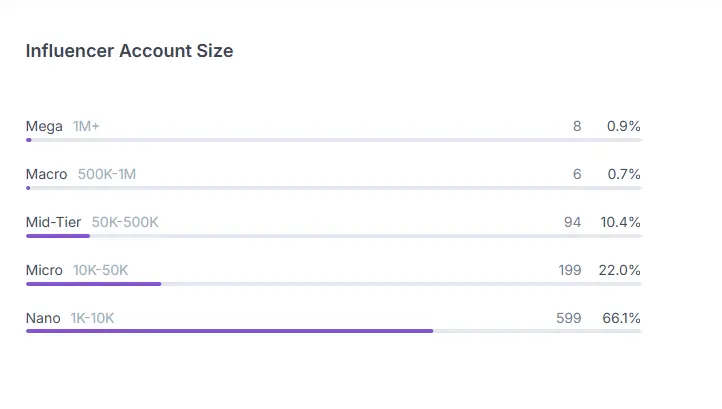
That preference for scale is also visible across Comfrt’s wider social footprint. HypeAuditor’s Competitor Analysis Tool found that nano creators accounted for 66% of accounts mentioning Comfrt, followed by micro creators at 22%. Individual accounts represented 98.5% of the creator mix.
Sponsored activity shifted more heavily toward micro influencers, who represented 50.6% of that group, with family creators being the top influencer niche at 16.7%.
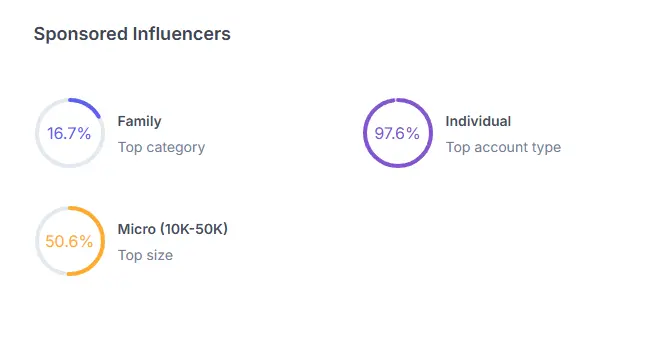
The split points to a two layer strategy. Nano creators supply volume, relatability, and creative variety, while micro creators receive a larger share of deliberate paid support.
Together, they give Comfrt both broad visibility and more concentrated paid reach.
The TikTok Formula Behind Comfrt’s Virality
Comfrt’s creator videos combine product demonstrations with emotional framing, social proof, timely offers, and direct calls to action.
How Comfrt’s TikTok UGC Turns Product Interest Into Sales
The hook might announce a new drop, introduce a surprising feature, a sale, respond to a question, or challenge the product’s hype. Dialogue videos make the recommendation feel like a conversation between partners, friends, or relatives.
The middle supplies practical information. Creators explain the material, show the fit, state their height and size, or reveal different colors. Physical comfort then becomes an emotional benefit: the product feels like a hug, makes travel easier, or provides somewhere to retreat after a difficult day.
@melimartinii This sale is insane!!! @Comfrt
Finally, the content moves toward conversion. The product is discounted, a color is limited, sizes are disappearing, and the link sits directly beneath the video.
Each creator brings a different personality. The commercial sequence remains familiar.
This structure allows Comfrt to produce content in high volume while maintaining enough variation to hold attention. It also gives new creators a proven starting point.
How Leogrande Turned TikTok Creator Content Into a Cross-Channel Ad Engine
TikTok Shop made the creator operation more financially efficient. Creators could earn commission whenever their videos generated sales, giving them a direct reason to post frequently.
Leogrande has recommended that serious TikTok Shop creators publish five to seven pieces of content daily. In one interview, he said Comfrt was producing more than 10,000 creatives per week.
Promising assets then move across Meta, Snapchat, Pinterest, AppLovin, and other channels. A smaller creator group produces content specifically for Meta whitelisting, where ads appear under the creator’s identity.
Using HypeAuditor’s Competitor Analysis Tool, we identified how this video focused strategy carries into Instagram. Reels represented 73.1% of Comfrt related Instagram posts, while its wider creator content footprint generated an estimated reach of 7.6 million over six months.
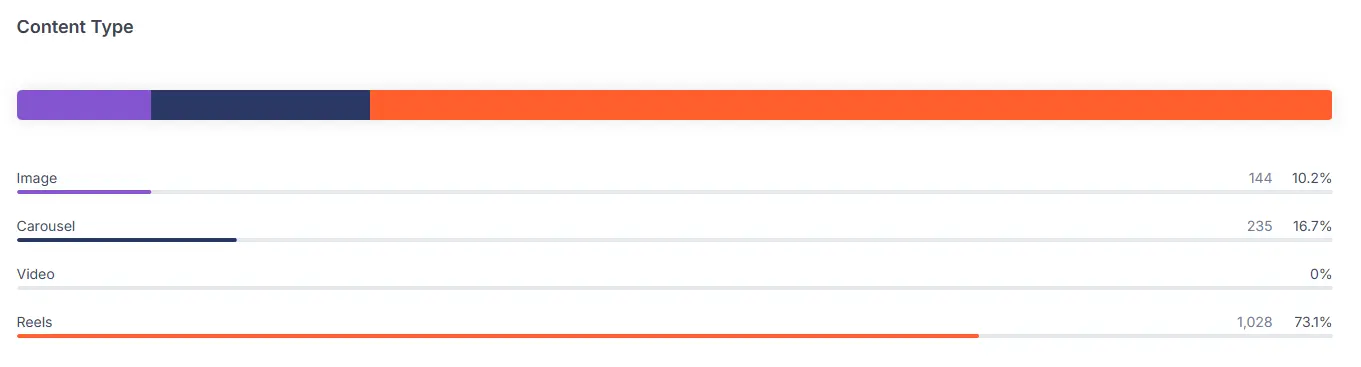
That format makes the content easier to carry from TikTok into Instagram and paid placements while preserving the creator’s voice. Each platform becomes another opportunity to extend the life and reach of a successful video.
TikTok functions as Comfrt’s creative testing ground. Creators generate variations, performance reveals the strongest ones, and paid media carries the winners to larger audiences. Those results flow back into training, future hooks, and new content.
The growing advertising reach brought more demand. It also placed greater pressure on the rest of the business.
The Challenges Behind Comfrt’s Viral Marketing Growth
Leogrande says Comfrt grew from $16 million to $170 million in annual revenue and went broke seven times while trying to finance inventory.
At one point, preorders reportedly accounted for 50% to 55% of website orders. Customers paid upfront and waited approximately two months, giving Comfrt cash to fund future production.
Comfrt also introduced dynamic pricing. Prices increased when inventory was scarce and decreased when more stock was available. Pricing became both a conversion tool and a way to manage sales velocity.
Customer service presented another crisis. Leogrande acknowledged that support collapsed as the company reached $40 million revenue in months. Complaints spread across Reddit and paid-ad comments, while TikTok customers described missing products, unclear tracking, sizing problems, and difficulty obtaining help.
@alikennon @Comfrt what’s the deal with the customer service? Where are my items?
The company responded by hiring COO Ken Stauffer, CFO Leon Korsak, outside agencies, and dozens of support representatives. Comfrt’s current Return Policy directs eligible returns toward exchanges or store credit, helping the company retain revenue while giving customers another opportunity to find a suitable product.
Surviving this period gave Comfrt room to address its next challenge: building a business with a future beyond one viral hoodie.
How Comfrt Is Expanding Beyond Viral Hoodies Into a Lifestyle Brand
Comfrt now sells travel apparel, lightweight clothing, activewear, blankets, kids’ products, pet apparel, bags, and accessories. Each category creates another use case, season, and purchase opportunity.
The audience reached through sponsored creator content helps explain that expansion. HypeAuditor’s Competitor Analysis Tool found that more than half of the sponsored audience is based in the United States, approximately two thirds are female, and people aged 25 to 34 form the largest age group. As mentioned earlier, family creators represented the leading influencer category Comfrt works with.
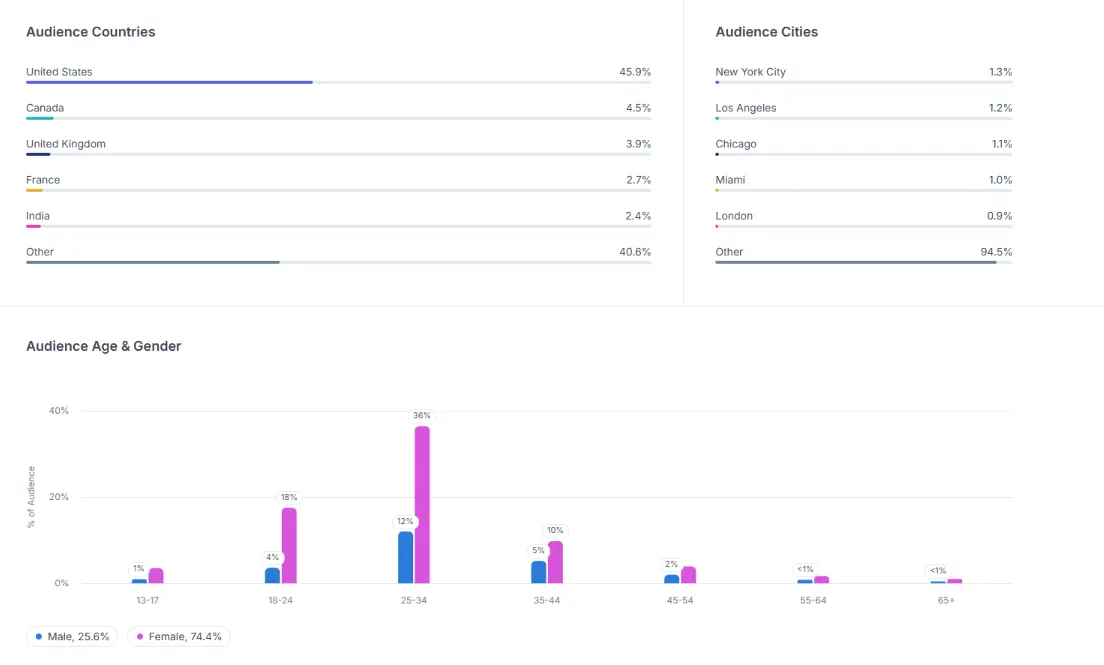
That profile gives Comfrt room to position its products around travel, parenting, home life, fitness, and wellness while staying connected to the customers who helped build its original hoodie business.
Matching sets and bundles increase order value. Limited colors encourage collecting. ComfrtClub gives members credits, early access, referral rewards, and exclusive products. Collaborations such as the Tarte collection introduce the brand to adjacent audiences.
@cassie.meschke This COLOR y’all😍 @Comfrt x @tarte cosmetics this is too good #tarte #comfrt #sweatset #airportfit
Comfrt is also formalizing its mental-health positioning through therapist content, educational resources, and nonprofit relationships. Its partnership with the Anxiety and Depression Association of America is independently confirmed by ADAA, while public materials leave the company’s total contribution unspecified.
The language has become more qualified as well. Product pages attribute anxiety and stress benefits to customer experiences.
Together, these moves reflect Comfrt’s wider transition from selling a feeling through viral content to building a lifestyle and wellness brand around that feeling.
Comfrt’s Real Advantage Is the Machine Behind the Hoodie
Comfrt connected a demonstrable product with relatable creators, high content volume, affiliate commerce, paid-media testing, cross-channel distribution, inventory financing, and customer participation.
Each successful move introduced a new constraint. Better pricing created stockouts. More creators generated overwhelming demand. Preorders protected cash flow while raising customer expectations. Product expansion opened new growth opportunities while making the business more complex.
That is what makes Comfrt’s story valuable to marketers. Virality served as the engine, and every stage of the company’s growth has involved learning how to keep pace with it.