
Micro-influencer platforms are designed to meet this need, offering solutions that simplify the process of discovering, engaging, and managing influencers who resonate with specific audiences.
- 1. Creator.co Review
- 2. Modash
- 3. Upfluence
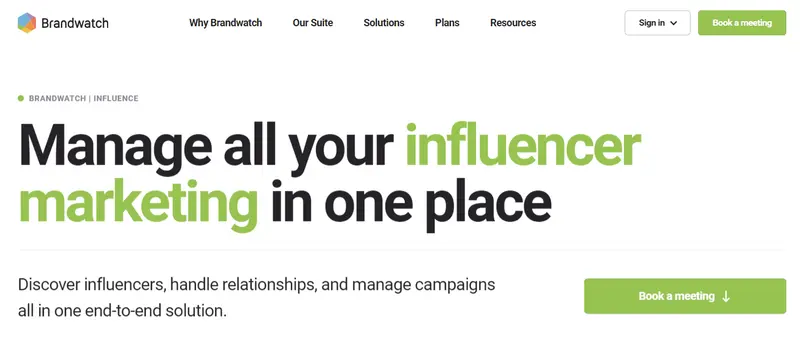
- 4. Brandwatch Influencer Marketing Software
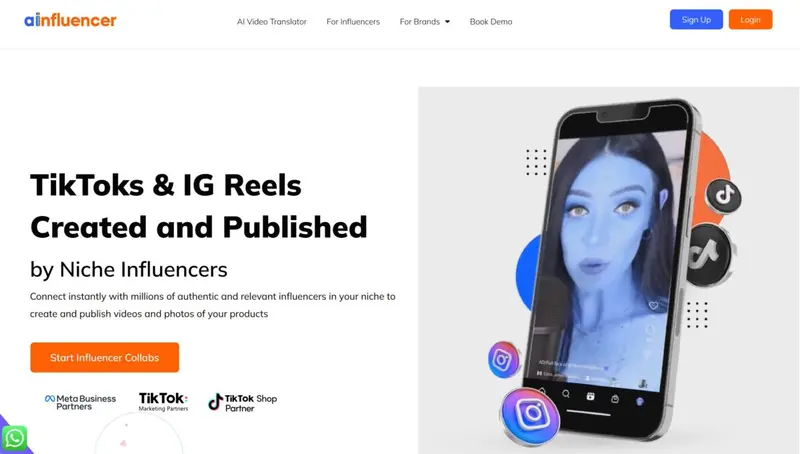
- 5. Ainfluencer
- 6. PartnrUP
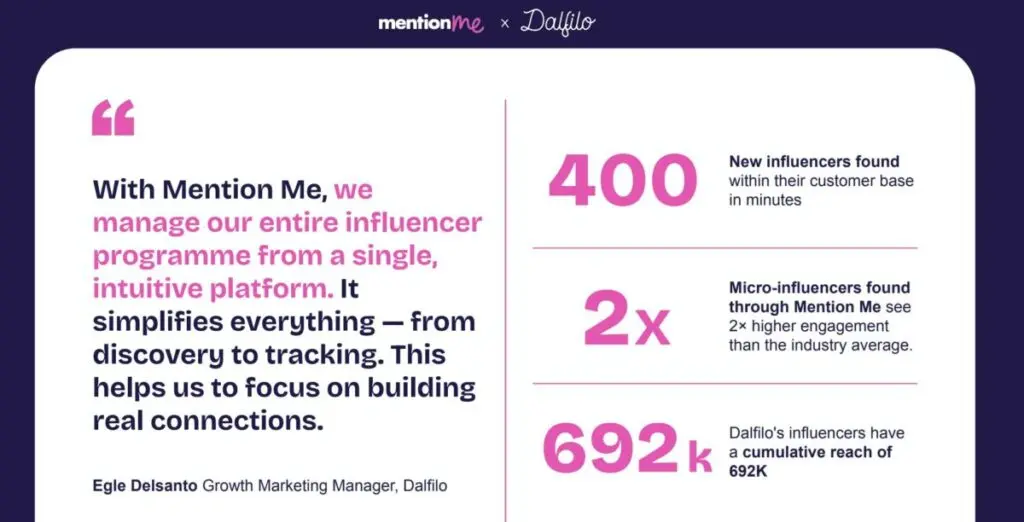
- 7. Mention Me
- 8. Billo
- 9. ON Social
- 10. Mini Social
- 11. IZEA
- 12. TRIBE
- What is a Micro-Influencer Platform?
- Benefits of Using a Micro-Influencer Platform
- Brands That Can Benefit from Micro-Influencer Platforms
- How to Measure the Success of Your Micro-Influencer Campaigns?
- Methodology
- Conclusion
- Frequently Asked Questions
As influencer marketing continues to evolve, the ability to target niche markets and foster genuine engagement becomes crucial. Whether you're aiming to maximize ROI, streamline your campaign management, or simply explore new partnership opportunities, finding the right platform is key.
In this article, we explore and compare the top 12 micro-influencer platforms of 2025, providing you with the insights needed to choose the best tool for your brand’s unique needs. These platforms are more than just tools—they're gateways to building authentic connections that can elevate your marketing strategy to new heights.
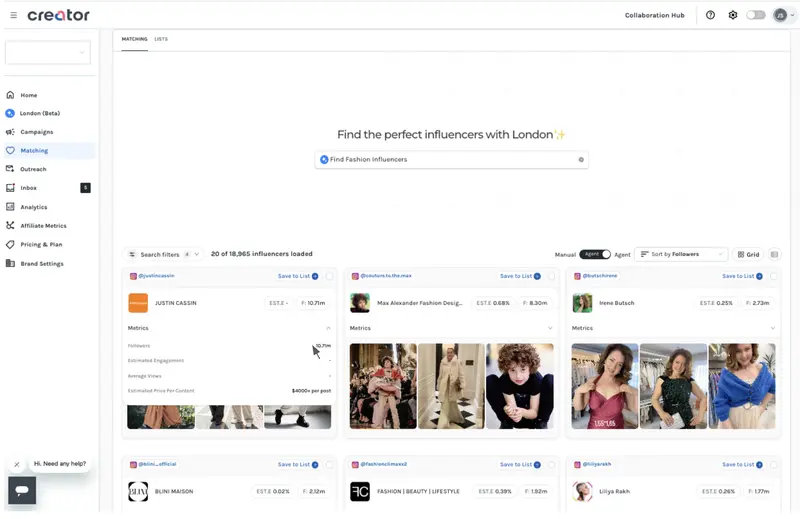
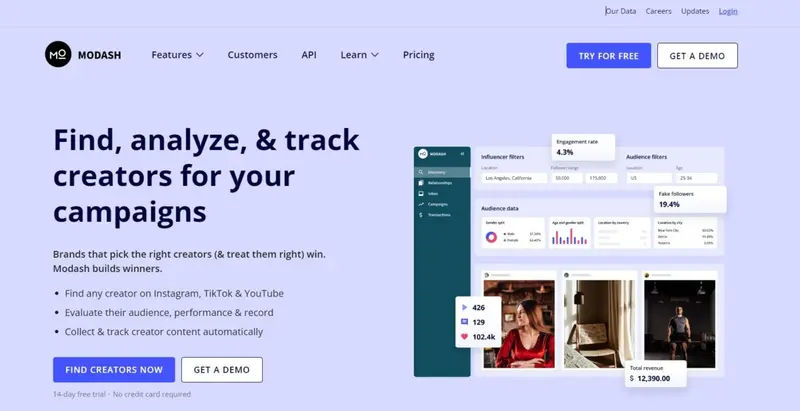
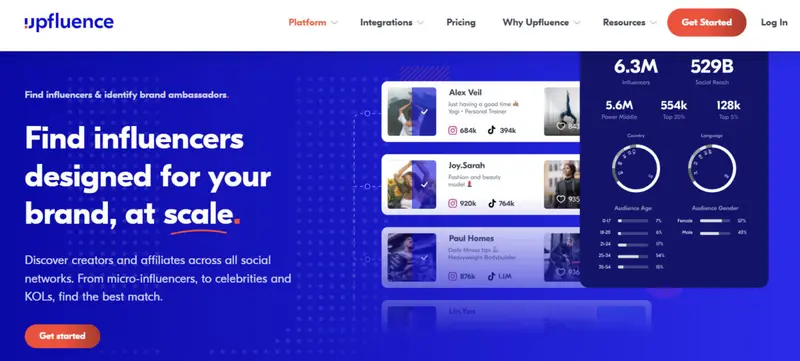
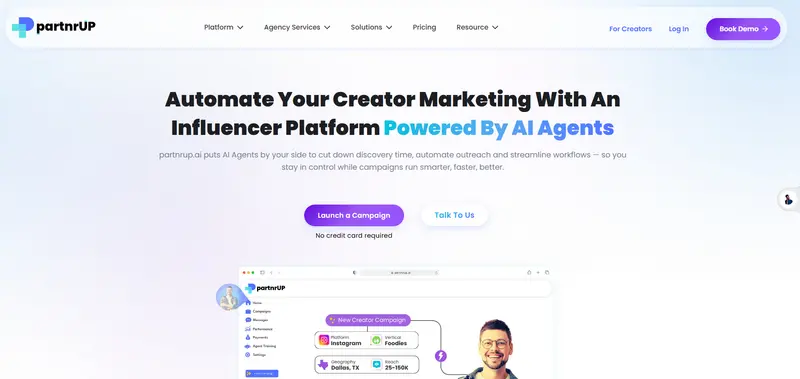
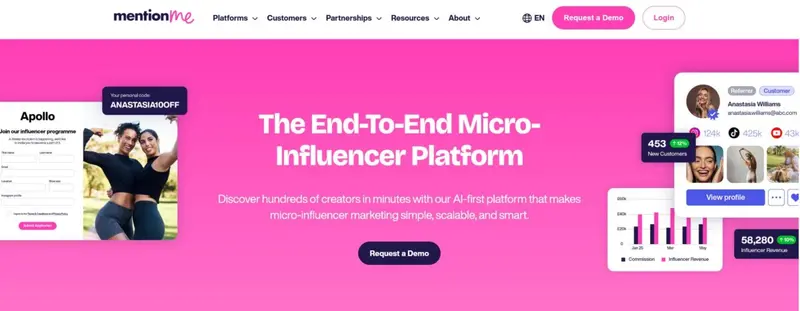
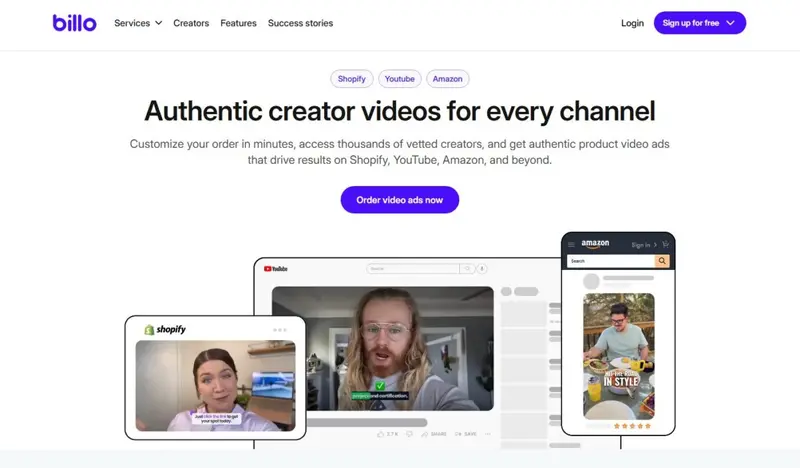
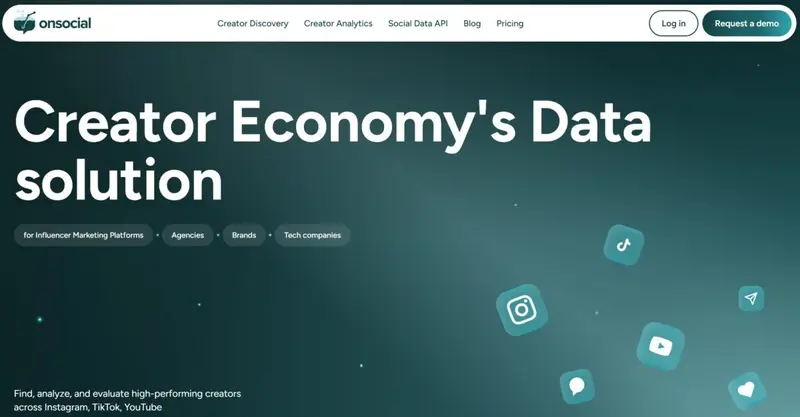
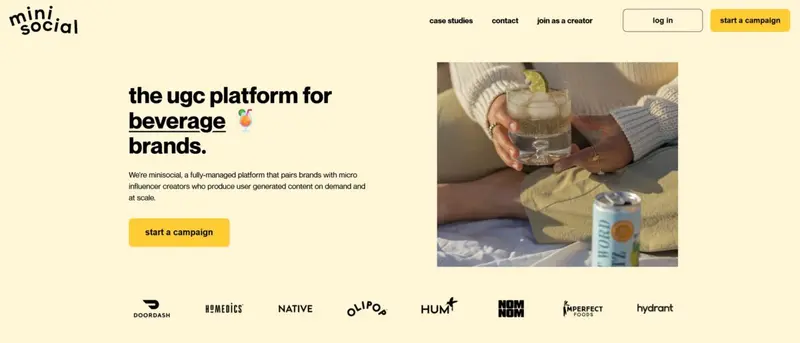
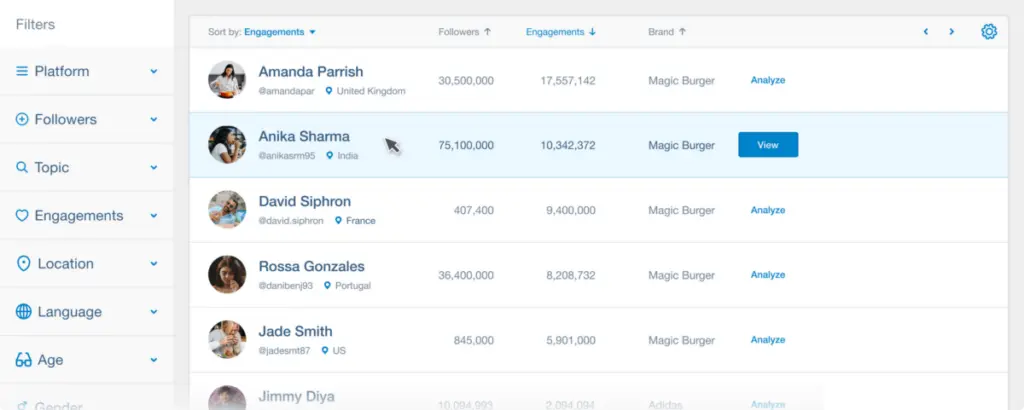
Best for: Brands and agencies that want to precisely find, recruit, and manage micro-influencers at scale based on audience, location, interests, content, and performance. Top features: Audience-quality filters, local and niche discovery, AI shortlists, inbound applications, lookalikes, standardized briefs, creator status, approvals, rights, product orders, payouts, affiliate tracking, and reusable rosters Pricing: Plans available based on campaign volume, number of users, and level of support. Channels: Instagram, TikTok, TikTok Shop, and YouTube Micro-influencer marketing creates an operational tradeoff: lower individual reach and stronger niche relevance, but far more relationships, deliverables, product shipments, approvals, and payments. Creator.co addresses that tradeoff by standardizing the workflow around each creator while letting the team compare performance across the whole cohort. Key Features: Search/Discovery, Automated Recruiting, Influencer Relationship Management, Influencer Marketplace, Content Review, Content Library, Campaign Management, Campaign Reporting, Influencer Analysis, Audience Analysis, E-commerce Tools, Product/Gifting Tools, Fake Follower/Fraud Detection, Payment Processing, Social Listening, Competitor Research, Creator Marketplace, Channels: Instagram, YouTube, TikTok, Tiktok Shop Best for: Brands of all sizes Top features: Influencer Discovery, Influencer Management, Payments, Campaign Tracking & Analytics Pricing: Three pricing plans, starting at $99/month Channels: Instagram, TikTok, YouTube If you’re looking for a micro-influencer marketing platform that delivers unparalleled accuracy and flexibility, Modash is a top contender. Founded in 2018 and headquartered in Tallinn, Modash has quickly established itself as a leader in the influencer marketing space, offering robust tools to help brands and agencies make data-driven decisions. Modash stands out for its granular influencer discovery capabilities. The platform allows you to search and filter influencers based on detailed criteria such as audience demographics, locations, and interests. Key Features: Campaign Management, Influencer Discovery, Influencer Analytics, Influencer Campaign Monitoring, Influencer Management, Best for: Businesses and Brands of all sizes Top features: Influencer Discovery, Creator Relationship Management, Influencer Payments & Gifting, Affiliate Management Pricing: Available through a subscription model tailored to diverse needs, starting at $478 Channels: Instagram, Youtube, Facebook, Twitch, TikTok, Twitter, Pinterest Upfluence is your ideal micro-influencer platform, blending AI and eCommerce capabilities to propel your business to new heights. Its integration of AI/ChatGPT optimizes communications with creators and automates email generation, streamlining your influencer outreach. With its data-driven approach to influencer selection, you’ll connect with creators that truly resonate with your brand. Key Features: Influencer Search & Discovery, Relationship Management, Campaign Management, Third Party Analytics, Automated Recruiting, Influencer Lifecycle Management, Team Collaboration Tools, Content Review, Campaign Reporting, Audience Analysis, E-commerce Tools, Product/Gifting Tools, Payment Processing, Social Listening, Affiliate Management, Affiliate Campaigns, Channels: Instagram, Youtube, Facebook, Twitch, Tiktok, Twitter, Pinterest, Blogs Best for: SMEs to Large Enterprises Top Features: Discovery Tool, Influencer Directory, Audience Analysis, Campaign Management and Reporting, Streamlined Content Approval Workflow, Influencer CRM Pricing: Available on Request Channels: TikTok, Instagram, YouTube, Facebook, X (formerly Twitter), Twitch, etc. Brandwatch Influence is an intuitive platform with a suite of tools specifically curated for influencer marketing management Capable of tracking over 30 million creators and influencers, it enables businesses to easily find the right influencers for their campaigns. Key Features: Global Influencer Payment, Influencer Discovery, Influencer directory management, Creation of private influencer network, Campaign management and reporting, Broad platform coverage, Automated reporting, Channels: YouTube, Facebook, Instagram, Twitter, Twitch, TikTok, Shopify Best for: DTC brands, Amazon sellers, and agencies running repeat creator collaborations and UGC at scale Top Features: Unlimited campaign posts and invites, in-app messaging and contracting, escrow-secured payments with automated payouts, creator profiles with ratings and past collaborations, AI matching, Shopify and Amazon integrations, affiliate tracking, multi-language support, AI video translation, product shipping protection Pricing: Free for brands (no subscription or platform fees). Managed service packages available from $7,999–$29,999 with spend directed to creators. Influencer payouts include a 10–20% service fee that covers escrow and operations. Channels: Instagram, TikTok, YouTube Best For: Mid-market and Enterprise Consumer Brands Top Features: AI-powered micro-influencer recruitment, niche and local creator targeting, automated outreach, creator vetting, product gifting, community management, and creator-level commerce analytics. Pricing: Free marketplace with a 20% usage fee. Self-service plans start at $299/month, while guided plans start at $699/month. Paid plans carry a 10% collaboration fee. Enterprise pricing is custom. Channels: Instagram, TikTok, YouTube PartnrUP is an AI-powered influencer marketing platform built to help brands recruit and manage large communities of nano- and micro-influencers without handling every relationship manually. Its approach is particularly relevant for consumer brands that need dozens or hundreds of smaller creators producing content, sharing product experiences, and supporting retail campaigns throughout the year. Key Features: Influencer Search & Discovery, Influencer Outreach and Engagement, Automated Recruiting, Influencer Relationship Management, Campaign Management, Affiliate Management, AI Agent, Creator Intelligence, Ecommerce Integration, Channels: YouTube, TikTok, Instagram Best for: Ecommerce, retail, DTC, and subscription brands that want to scale micro‑influencer programs rooted in real customers and measurable CLTV. Top features: AI‑first micro‑influencer discovery from brand fans, end‑to‑end influencer workflows, creator‑friendly portal and UX, integrated referral + influencer activation, first‑party revenue and CLTV analytics. Pricing: Upon request. Channels: Instagram‑led micro‑influencer campaigns with support for multi‑channel creator programs connected back to your ecommerce and customer data stack. Key Features: Influencer Search & Discovery, Relationship Management, Campaign Management, Influencer Content Amplification, Influencer Outreach and Engagement, Data/Analytics, Influencer Lifecycle Management, Content Review, Campaign Management, Campaign Reporting, Forms and Compliance, Payment Processing, Competitor Research, Automated Commissions/Payment, First-Party Tracking, Channels: Instagram, Youtube, Tiktok, Facebook Best for: Top features (for micro creators): Key Features: Influencer Search & Discovery, Campaign Management, Influencer Marketplace, Influencer Content Amplification, Global Influencer Payment, Insights/Analytics, Influencer Discovery, Content Amplification, Data/Analytics, Influencer whitelisting, Freelancer/Creator Marketplace, Search/Discovery, Team Collaboration Tools, Content Review, Content Library, Campaign Management, Campaign Reporting, E-commerce Tools, Product/Gifting Tools, Forms and Compliance, Payment Processing, Faceted Search / Filtering, Forms & Compliance, Channels: Tiktok, Instagram, Facebook, Youtube Best for: Influencer Marketing Platforms, Agencies, Market Research Firms, and Tech Companies. Top features: AI creator discovery (27+ filters + semantic/topic search), audience credibility breakdowns, contact-availability filtering, sponsored post tracking, audience overlap analysis, exports + API. Pricing: Demo-based with flexible models (licensing / usage-based / API call-based). Includes “pay only for successfully made request” positioning. Channels: Instagram, TikTok, YouTube. If you’re hiring micro creators, ON Social’s core advantage is how quickly it turns “micro-influencer” into a repeatable query: start with the built-in 1k+ creator threshold, narrow by follower count + engagement rate, then lock in audience constraints like location, age/gender, language, interests, and credibility before you even open profiles. Key Features: Influencer Search & Discovery, Insights/Analytics, Influencer Analysis, Influencer Campaign Monitoring, Influencer Management, Channels: Instagram, Youtube, Tiktok Best for: DTC and CPG teams that want micro-influencer reach plus a steady stream of creator assets, without running creator ops in-house. Top features: Fully managed micro-influencer sourcing, opt-in creator workflow, creator approval step, downloadable asset delivery, and a perpetual “mini license” designed for broad reuse. Pricing: Starts at $3,000 for 10 creators (creator payments included), with a project-based model and no long-term commitment. Channels: Creator activations on TikTok and Instagram, with content you can repurpose across paid social, website, email, and more. Best for: Medium to Large Brands and Agencies Top features: Content Approval, Influencer Recruitment, Influencer Vetting and Compliance, Data Importing and Exporting Tools, Influencer Collaboration, UGC Pricing: Three packages, starting at $6/month with The Creator Marketplace package and scaling up to their Managed Services package at $100,000/month. Channels: Instagram, TikTok, YouTube Key Features: Search/Discovery, Automated Recruiting, Influencer Relationship Management, Influencer Marketplace, Team Collaboration Tools, Content Review, Content Library, Campaign Management, Campaign Reporting, Influencer Analysis, Audience Analysis, Visual Discovery, Influencer Content Amplification, Channels: Facebook, Instagram, LinkedIn, Twitter, Tumblr, YouTube, Pinterest, Twitch, TikTok, Wordpress and other Blogs Best for: Brands and Agencies of all sizes Top features: Content Approval Workflow, Campaign Effectiveness Tracking, Influencer Recruitment, UGC, Reporting and Dashboards, Audience Analysis Pricing: Two pricing plans available upon request Channels: Instagram, Tiktok, Pinterest1. Creator.co Review
2. Modash
Powerful Influencer Discovery and Fraud Detection

3. Upfluence
4. Brandwatch Influencer Marketing Software
5. Ainfluencer
6. PartnrUP

7. Mention Me

8. Billo
Micro creators who want consistent paid brand work without needing a big following—plus micro influencers who want the option to turn select campaigns into in-feed TikTok/Instagram posts when it’s worth it.
Daily job offers inside the creator app; set payouts shown upfront; twice-monthly PayPal payouts; creator portfolio building; product gifting handled by brands; clear approval + revision workflow; optional Organic Posting and Partnership Ads; Premium Creator tier for higher payouts.
9. ON Social

10. Mini Social
11. IZEA
12. TRIBE
What is a Micro-Influencer Platform?
A micro-influencer platform is a specific type of influencer marketing platform that focuses primarily on connecting brands with micro-influencers. These are influencers who typically have a smaller, but highly engaged, following—usually between 10,000 and 100,000 followers. Such platforms are designed to capitalize on the unique advantages that micro-influencers offer.
Here's a detailed look at these platforms:
By focusing on influencers with smaller but highly engaged and niche-focused followings, these platforms offer unique opportunities for brands to connect with specific audiences in a more authentic, personal, and cost-effective manner.
Benefits of Using a Micro-Influencer Platform
Micro-influencer platforms have emerged as a pivotal tool for brands seeking to enhance their online presence. These platforms offer a multitude of benefits that can significantly elevate a brand's marketing strategy. Let's see what those are.
Targeted Audience Reach
These platforms provide a hub where brands can connect with influencers who boast followers typically between 10,000 to 100,000, combining the appeal of a targeted audience reach with the power of genuine engagement. Brands leveraging these platforms gain direct access to niche audiences, ensuring their marketing efforts resonate with the most relevant and interested consumers.
Authentic Engagement
Authentic engagement remains a cornerstone of influencer marketing, with 49% of consumers depending on influencer recommendations. Micro-influencers are renowned for their authentic and personal connections with their followers, leading to higher engagement rates, increased trust, and amplified brand credibility.
Cost-Effectiveness
Regarding budget allocation, 23% of marketers are now inclined to invest more than 40% of their marketing budget into influencer partnerships, with a focus on micro-influencers due to their cost-effectiveness. These influencers offer a more affordable alternative to their macro counterparts, making them ideal for businesses of all sizes. The platforms serve as a cost-efficient gateway to a diverse array of influencers, aligning with both budget constraints and campaign objectives.
Increased ROI
Micro-influencer marketing is not just about affordability; it's about effectiveness. Approximately 51% of marketers report acquiring better customers through influencer marketing, which is a testament to the pre-established trust influencers have with their audience. The platforms help brands achieve a higher return on investment, with data showing that influencer marketing campaigns can yield an average of $5.78 for every $1.00 spent, and 42% of marketers rank it as a top ROI-generating approach.
Versatility, Innovation, and Long-Term Collaboration
The versatility and innovative potential of micro-influencers make these platforms a breeding ground for creativity. With 67% of marketing teams preferring campaign-based partnerships, these collaborations are structured for easier management and clear KPIs. Moreover, the preference for engagement as a primary KPI by 77% of marketers underscores the shift towards quality interactions, with 56% of marketers engaging in repeat collaborations to build trust and consistency.
Platform Preferences and Payment Trends
While Instagram remains the preferred platform for 72% of influencer marketing campaigns, TikTok's rapid ascension to 61% usage among marketers illustrates the dynamic nature of the landscape. Payment methods are also evolving, with a move from free samples towards fair monetary compensation, especially as the influence and market share of micro-influencers continue to grow—commanding a 91% market share in 2021 and offering engagement rates as high as 3.86% on platforms like Instagram.
Brands That Can Benefit from Micro-Influencer Platforms
Micro-influencer platforms are not just a trend; they are a strategic tool that can benefit a wide array of brands across various industries.
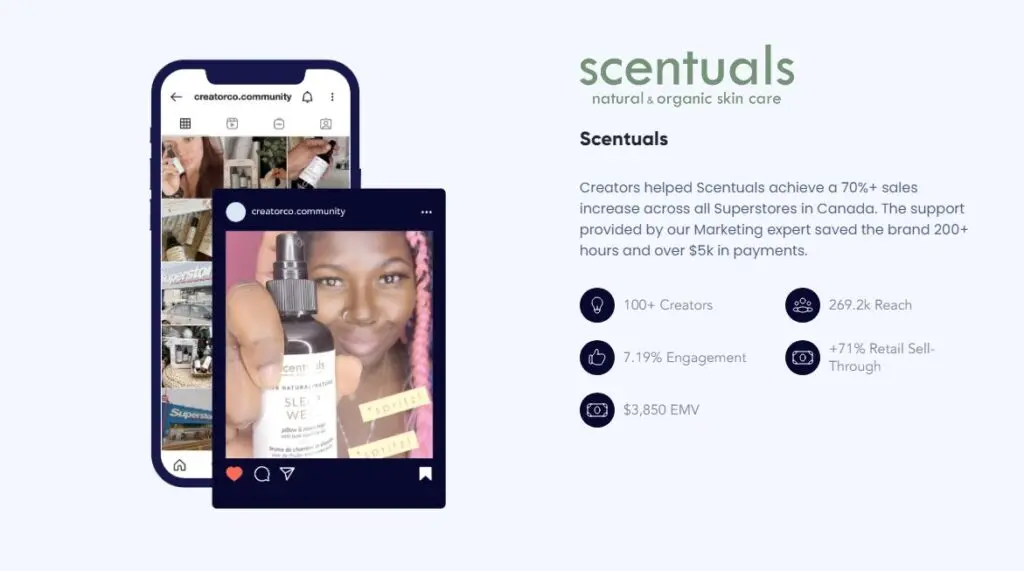
- Fashion and Beauty Brands: These sectors thrive on personal recommendations and visual content. Micro-influencers can provide authentic endorsements and tutorials that resonate with their followers, making them ideal for fashion and beauty brands. By showcasing how products look and perform in real life, they bridge the gap between aspiration and reality. Additionally, micro-influencers' niche audiences often yield higher engagement rates, which can lead to more effective campaigns. An example of how these brands can use influencer marketing platforms to run marketing campaigns is the case of Scentuals, a well-known skincare and beauty brand. Utilizing Creator.co's platform to collaborate with more than 100 creators, they increased their sales by 70% and achieved $3,850 in EMV.
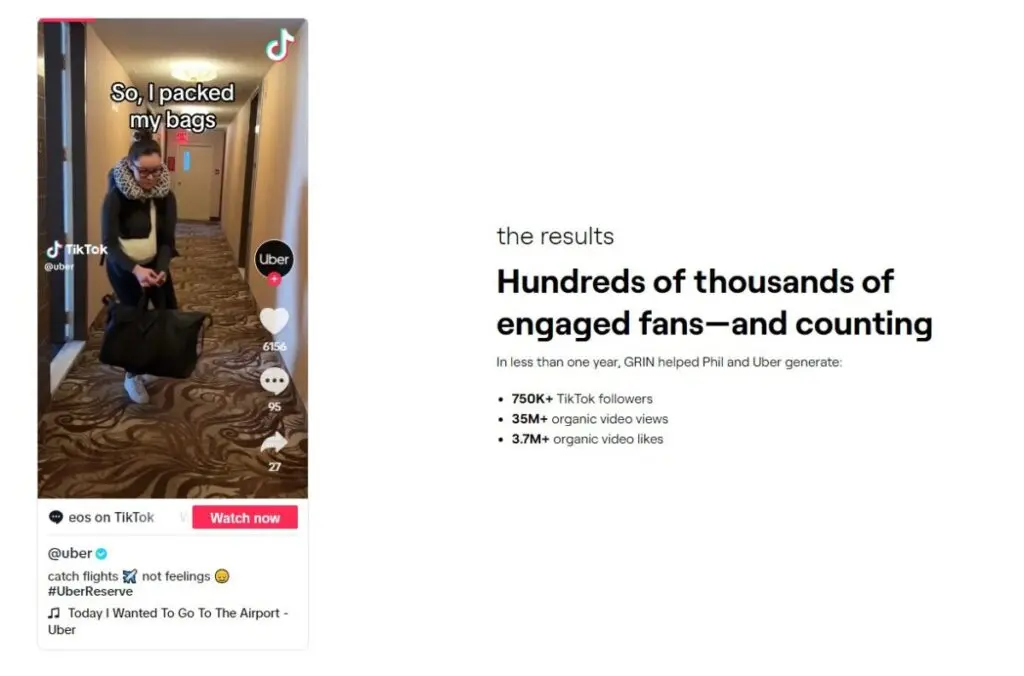
- Tech and Gadget Companies: Tech enthusiasts often seek advice and reviews from trusted sources. Micro-influencers in the tech space can offer honest reviews and demonstrations, influencing their tech-savvy followers' purchasing decisions. Their ability to demystify technology and present it in an accessible manner helps cultivate an informed community. Furthermore, their specialized knowledge can help highlight a product's unique features and benefits. An exemplary case is Grin's collaboration with Uber, where the ride-sharing giant utilized Grin's influencer marketing platform to build a robust presence on TikTok, demonstrating the power of targeted influencer strategies in the tech world.
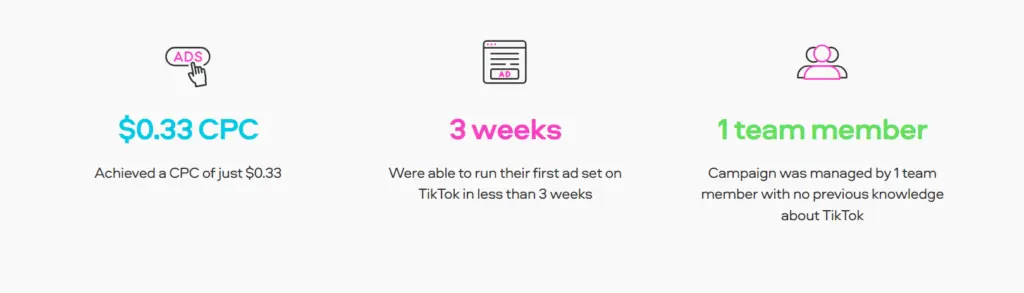
- Health and Wellness Brands: The personal nature of health and wellness topics makes micro-influencers particularly effective in this industry. They can share their experiences and results, creating a trustworthy narrative around a brand's products. Through their journey, they can inspire and motivate others, establishing a loyal and engaged audience interested in health and wellness advancements. Plus, their recommendations can carry significant weight, driving trial and adoption of new products. An example is Insense's collaboration with Diet Smoke, a wellness brand looking to promote its premium gummy products. Through influencer collaborations and partnerships, they achieved an impressive CPC of $0.33 with TikTok's Spark Ads.
- Food and Beverage Companies: Foodies and culinary influencers can showcase a brand's products in a relatable and appetizing way, making them perfect for food and beverage companies looking to increase their product appeal. They can create a sense of community around a brand by sharing recipes, tips, and food-pairing ideas. Their content can also highlight the quality and sourcing of ingredients, appealing to conscious consumers. Again, there's no shortage of success stories showcasing the effectiveness of influencer marketing in the food and beverage industry. Take Upfluence as an example. In their collaboration with TROPICO, a French non-carbonated drinks brand, they managed to improve their social media visibility, engagement, and, ultimately, their global reach, all thanks to expertly selected micro influencer partnerships.
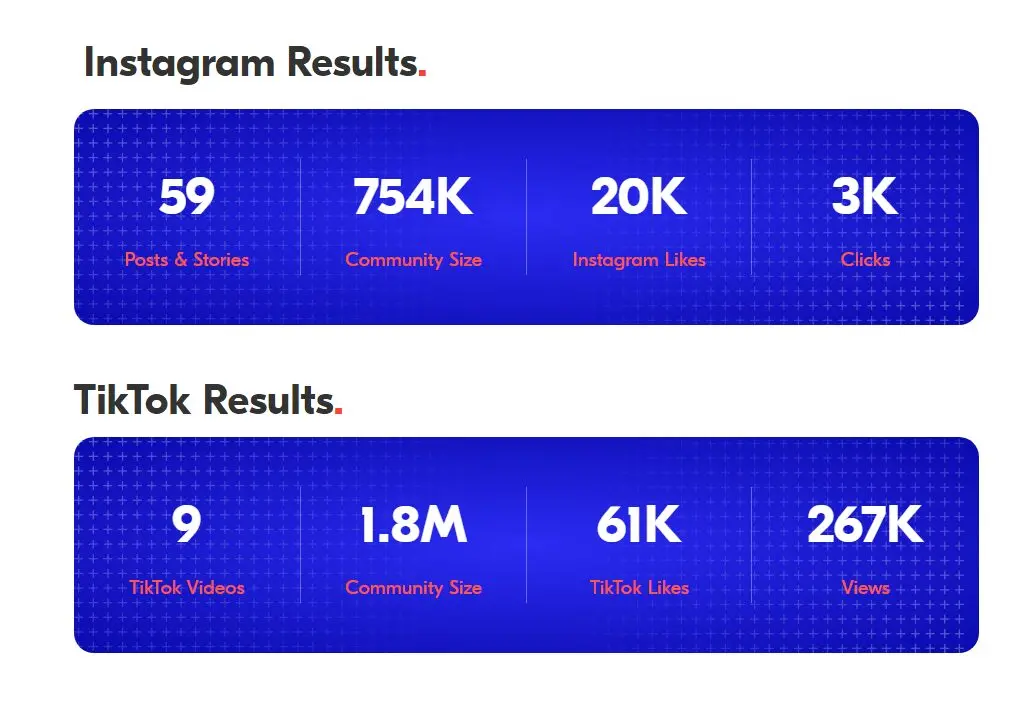
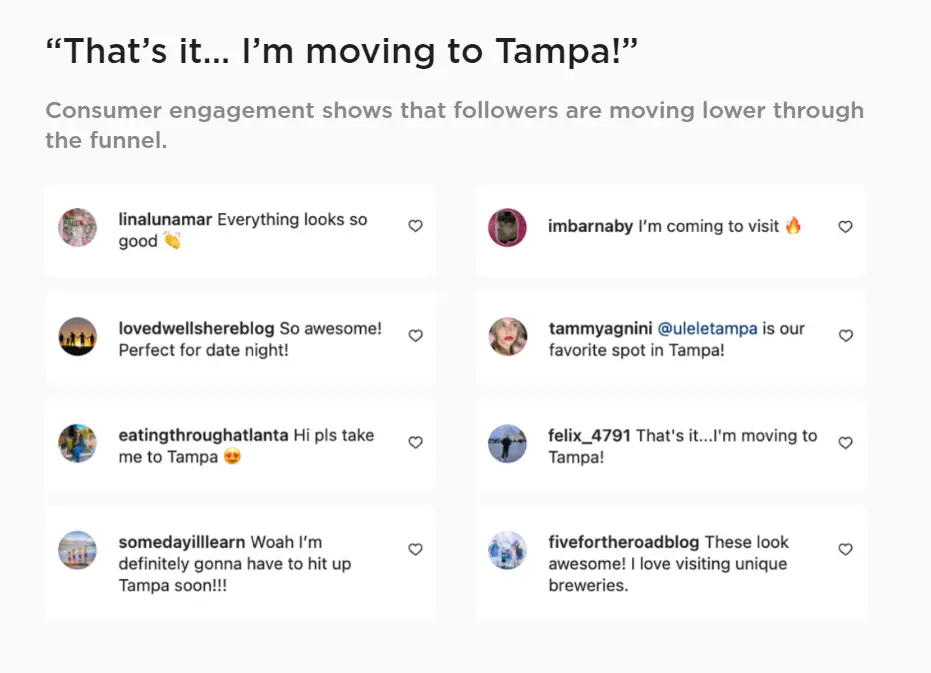
- Travel and Hospitality Businesses: Travel micro-influencers can provide authentic insights into destinations, accommodations, and experiences, making them valuable for businesses in the travel and hospitality sector. They can offer unique perspectives and tips, making travel more accessible and inspiring to their followers. By capturing and sharing their experiences, they help brands create a more compelling and aspirational image. A perfect example is IZEA's collaboration with Visit Tampa Bay to showcase a unique tourist destination. You can find more details about the collaboration by watching the video below.
As always, the results speak for themselves.
How to Measure the Success of Your Micro-Influencer Campaigns?
When assessing the impact of micro-influencer campaigns, a multifaceted approach is crucial. Here’s how you can add depth to the evaluation process:
Engagement Metrics
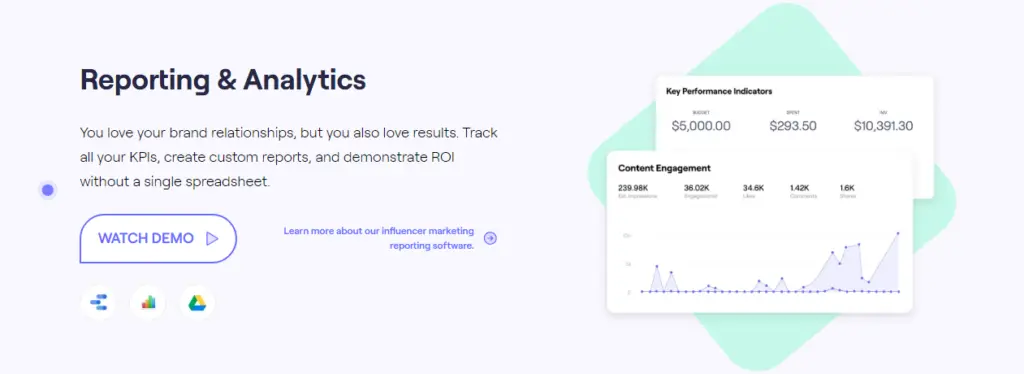
Look beyond mere likes and comments; analyze the engagement rate in the context of audience size and post frequency. High-quality interactions often translate to a more invested audience, indicative of a successful campaign. Consider the relevance of interactions by analyzing the sentiment and contextual relevance of comments and shares. You can do that with a tool like Brand24, which offers brand monitoring, sentiment analysis, and detailed reporting capabilities. Also, you can track changes in social media engagement over time to understand the long-term impact of your campaigns and identify trends or patterns in audience behavior. Some tools to help you do that include Brandwatch and Agorapulse.
Customer Acquisition
Go further than tallying new customers. Scrutinize the longevity and lifetime value of customers brought in through influencers, as well as their subsequent brand loyalty and advocacy. Track the referral paths and conversion rates to understand how effectively influencers are driving traffic to your products or services. Compare the acquisition costs and performance of influencer-led campaigns against other marketing channels for a comprehensive view.
ROI Analysis
Dissect the return on investment not just through immediate sales but also by considering long-term brand value and customer retention rates. Understanding the financial nuances can reveal the true profitability of influencer partnerships. Factor in both tangible and intangible benefits, such as increased brand awareness and improved brand perception. Regularly recalibrate your measurement criteria to stay aligned with evolving market conditions and business objectives. Fortunately, micro-influencer platforms do all that for you.
Repeat Collaborations
Evaluate the effectiveness of ongoing partnerships with influencers. Consistent collaborations may lead to compounded trust from the audience, creating a more receptive base for your messaging. Assess the growth and evolution of the influencer’s audience over time to ensure alignment with your target demographic. Monitor the freshness and creativity of content in repeat collaborations to avoid audience fatigue.
Platform Performance
Influencer Selection
Establish a dynamic process for selecting influencers, incorporating data-driven insights and evolving criteria that reflect your brand’s current direction and values. Regularly review and update your selection criteria based on campaign performance and market changes. Engage in thorough vetting processes that consider the influencer’s content quality, audience demographics, and alignment with your brand ethos to ensure a successful outcome. Fortunately, again, that's what influencer marketing platforms are for! Regardless of your niche, values, and the direction you want to go in, these platforms streamline the influencer marketing selection process. Whether it is the 20,000+ vetted influences at Insense, Kittly's 17,000+ creators, or the 650,000+ creators at IZEA, these platforms make selection a breeze.
Methodology
In our quest to identify the leaders in micro-influencer marketing, our team has meticulously evaluated a significant number of platforms, drawing on more than six years of extensive experience in the influencer marketing realm. This comprehensive review process involved analyzing a multitude of factors specifically tailored to micro-influencer dynamics, including platform reach, influencer authenticity, campaign success rates, pricing flexibility, client testimonials, innovative strategies, and overall platform robustness.
Our focus on these key areas, coupled with an expert rating system, has culminated in a list that represents the pinnacle of micro-influencer marketing platforms. These platforms not only excel in connecting brands with the right voices but also consistently demonstrate the ability to adapt and thrive in the ever-evolving landscape of digital marketing, ensuring impactful, authentic, and cost-effective collaborations.
Conclusion
The world of micro-influencer platforms offers a diverse range of opportunities for brands aiming to deepen their market impact. These top 12 platforms stand out for their ability to connect brands with the right influencers, ensuring authentic engagement and targeted reach.
Whether you're a small business or a large corporation, leveraging these platforms can significantly enhance your marketing efforts. Always remember that the key to successful influencer marketing lies in choosing a platform that aligns with your brand values and audience.
Frequently Asked Questions
Exploring Micro Influencer Marketing Tools
These platforms offer a wide variety of features, including creator discovery, campaign management, performance analytics, and marketplace access, to help you streamline your marketing efforts. Explore the sections below for an overview of micro influencer marketing tools for viral influencer campaigns:
- Top Micro-Influencer Agencies Every Brand Should Know About
- Top 17 Nano Influencer Marketing Agencies
- 12 FREE Influencer Marketing Tools to Find Influencers
- 18 Best Influencer Marketplaces to Bolster Your Campaigns
- 23 US-Based Influencer Marketing Platforms
- Top 11 Influencer Apps for Brand Collaborations
- Top 21 Influencer Marketing Tools for Instagram to Try
- Top 16 Influencer Marketing Agencies Shining in LA
What is a micro-influencer platform?
A micro-influencer platform is an online ecosystem that connects brands with micro-influencers. These influencers, typically having between 10,000 and 100,000 followers, offer brands a highly engaged audience with specific interests or niches. The platforms streamline the entire marketing process – from identifying suitable influencers to executing and tracking campaigns. They are invaluable for brands targeting precise demographics, ensuring authenticity and effectiveness in marketing messages.
How many followers do you need to be a micro-influencer?
Micro-influencers are generally characterized by having a follower count ranging from 10,000 to 100,000 on social media platforms. However, what truly defines micro-influencers is the level of engagement they have with their audience and the specific niche they cater to. These influencers often have a strong, loyal following due to their authenticity and closer connections with their audience.
How does a micro-influencer platform select and vet influencers?
A micro-influencer platform typically selects and vets influencers based on factors such as niche relevance, engagement rates, audience demographics, content quality, and authenticity. Many platforms also conduct background checks to ensure influencers meet certain ethical standards and have a genuine following.
What features should brands look for when choosing a micro-influencer platform?
When choosing a micro-influencer platform, brands should look for features such as robust analytics, ease of campaign management, a wide selection of influencers across various niches, tools for communication and negotiation, and strong tracking capabilities to measure campaign impact.


