
Live video streaming has reached new heights in 2025, with more creators and businesses leveraging this medium for gaming, webinars, and live events. As the demand for high-quality, engaging content continues to grow, so does the need for reliable streaming software that offers advanced features and seamless integration with popular platforms like Twitch, YouTube, and social media.
Whether you're a seasoned streamer or just starting, choosing the right software is crucial for delivering professional-grade broadcasts. This article explores the best streaming software available in 2025, highlighting both free and paid options that cater to different needs and preferences, ensuring you have the right tools to succeed in your streaming journey.
How to Choose the Best Live Streaming Software?
Selecting the right live streaming software is essential for anyone aiming to succeed in the streaming industry. Whether you're a business or an individual, here are some key factors to consider:
Purpose of Stream and Content Type
Determine whether your stream is for educational content, gaming, webinars, live events, or another category. Each platform is tailored to different content types, so choose one that aligns with your specific goals.
Audience Size
Consider the size of your audience, as a larger audience demands more bandwidth and higher stream quality. Ensure the software you choose can handle your audience size and deliver the quality you need.
Features and Interactivity
Beyond basic features like multiple source mixing, encoding, and overlays, look for interactive elements such as chats, polls, Q&A, and quizzes. These features can help engage a larger audience and create a more interactive experience.
Ease of Use and Compatibility
Opt for software with a user-friendly interface, especially if you're streaming to a smaller audience. Check for integration with popular live streaming platforms and ensure compatibility with your existing hardware and devices.
Bandwidth and Quality
For a larger audience, you'll need more bandwidth and higher streaming quality. Choose software that supports high-resolution streaming to meet your specific needs.
Cost
Consider your budget. There are free options for basic streaming, while paid versions offer more advanced features. Evaluate what you need and choose accordingly.
Customization
Decide if you need basic customization options like editing or text overlays, or if you want to add themes that match your brand style. Customization can enhance your stream's professionalism and consistency.
Support
If you're new to streaming, robust customer support can be invaluable. Look for software that offers reliable support to help you navigate any issues as your audience grows.
Analytics
For those with more experience, detailed analytics and insights are crucial. Features like viewer count, demographics, and engagement rates help you understand your audience and improve your streams.
Monetization
If monetization is a goal, especially with a large audience, select software that offers integrated monetization options. This can streamline the process of generating revenue from your streams.
Scalability
If you anticipate growing your audience, choose software that can scale with your needs. Look for solutions that can handle a large audience without compromising quality or performance.
Based on these considerations, you can make an informed decision on the best live streaming software to suit your specific requirements.
Streaming Tools Comparison
Tool | Pros | Cons | Features | Pricing |
OWN3D Pro | Vast collection of overlays and alerts
| Premium content requires a subscription
| 300+ overlays, alerts and widgets
theme manager
| Premium plan starts at $8.99 per month |
OBS Studio | Open-source software
| Complex setup and interface | Supports multiple scenes and sources
| Completely free and open-source |
Streamlabs OBS | OBS Studio with added user-friendly features
| Resource-intensive | Built-in chat alerts
| Basic version is free
Prime subscription $19 per month or $149 annually |
LightStream | Cloud-based
| Limited customization
| Allows for cloud-based scene and source management
| Free plan with basic features Paid plans start at $7 per month |
vMix | Professional-grade software
| Learning can be steep and costly | Supports HD, 4K, and even 8K video
| Pricing ranges from $60 for the Basic HD version to $1200 for the Pro version |
XSplit Broadcaster | User-friendly interface
| Free version has limitations
| Scene transitions
| Basic version is free, while premium plans start at $4.17 per month |
Nvidia ShadowPlay | Minimal system performance impact
| Limited customization
| High-quality video recording
| Free to use |
Wirecast | Highly professional and feature-rich
| High price tag
| Offers multi-camera switching
| Pricing starts at $599 for the Studio version and $799 for the Pro version |
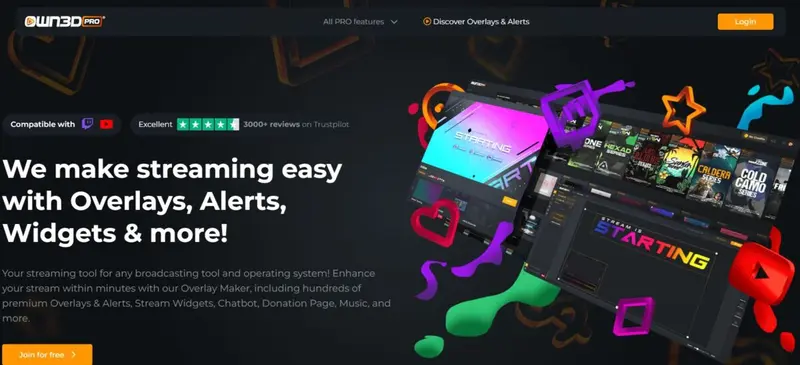
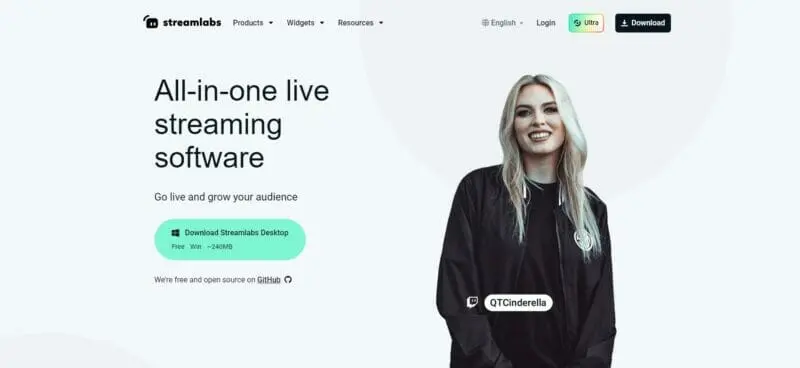
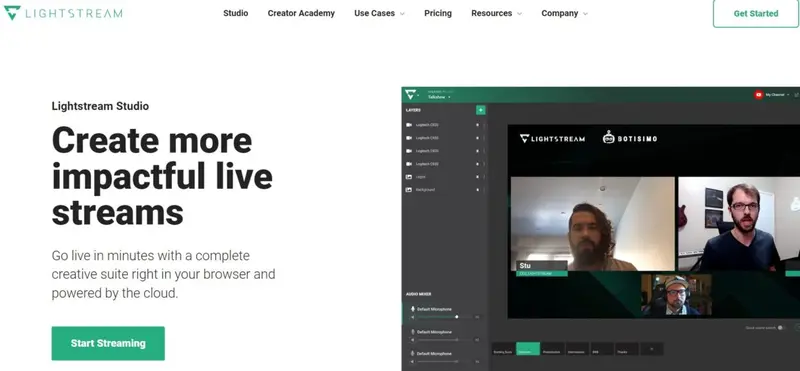
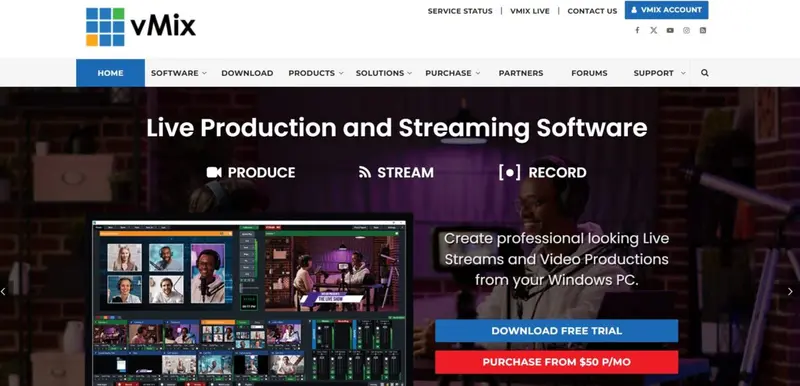
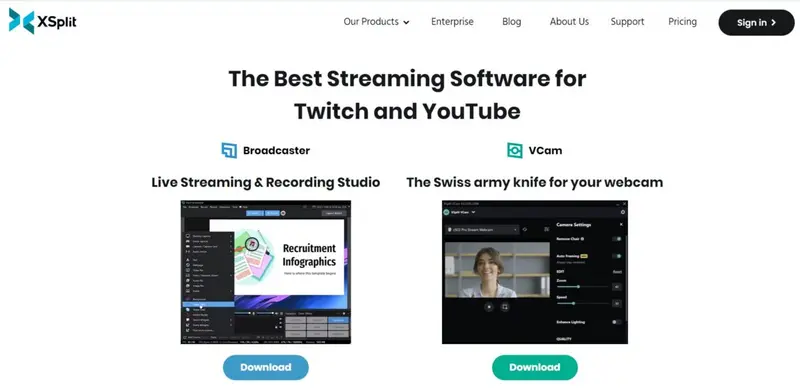
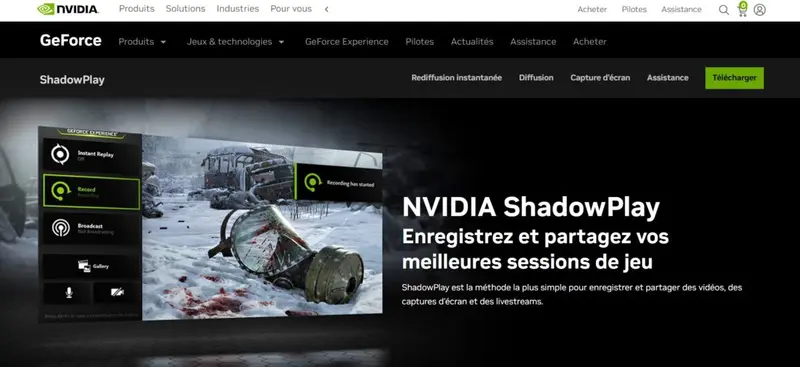
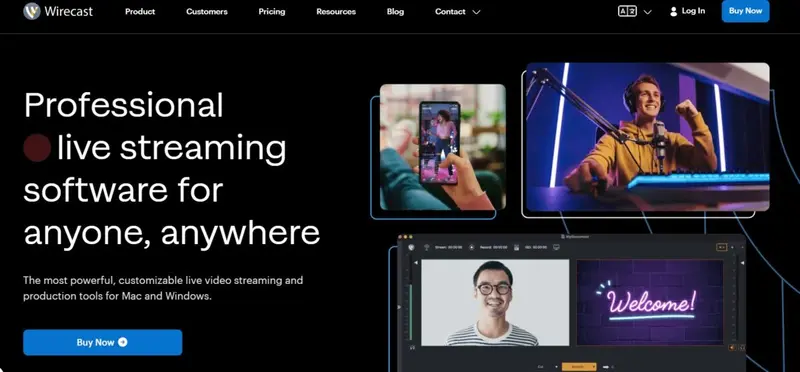
OWN3D Pro offers a free version with basic features. The premium plan starts at $8.99 per month, which provides access to all overlays and additional features. OBS Studio is completely free and open-source, making it a cost-effective choice for all users. OBS Studio is open-source software you can use for video recording and live streaming. It is free to use but lacks some of the more advanced features found in paid versions of streaming software. As we have seen above, some software companies like OWN3D make extensions you can use to add to the core features of OBS Studio. The basic version is free. The Prime subscription, offering additional premium features and themes, costs $19 per month or $149 annually. Streamlabs was initially a live streaming tool that streamers used with other live streaming software. Streamlabs OBS now combines the Streamlabs tool with OBS Studio, giving a more advanced streaming program with a cleaner interface than the open-source tool. It also offers better user support. Like OBS Studio, Streamlabs OBS is free. LightStream offers a free plan with basic features. Paid plans start at $7 per month for more advanced features and higher-quality streaming. You can use LightStream Studio to stream to Twitch, Facebook, YouTube, and custom RTMP. It provides cloud-powered broadcasting accessed through a web browser. You can also capture Xbox and PlayStation gameplay for streaming to Twitch without a capture card. Pricing ranges from $60 for the Basic HD version to $1200 for the Pro version, with a free 60-day trial available. The basic version is free, while premium plans start at $4.17 per month, offering additional features and higher quality streaming options. XSplit Broadcaster is live streaming and recording software for Windows. You can stream and record in 4K 60fps. You can use XSplit Broadcaster to stream on YouTube, Facebook, and Twitch. Indeed, you can even simultaneously broadcast to multiple stream services. Nvidia ShadowPlay is free to use for those with compatible Nvidia graphics cards. Nvidia ShadowPlay targets gamers and comes bundled with many Nvidia GeForce graphics cards. It enables you to record and share high-quality gameplay videos, screenshots, and livestreams. You can use it to broadcast to Facebook Live, Twitch, or YouTube Live. Wirecast pricing starts at $599 for the Studio version and $799 for the Pro version. A free trial is available, but it includes a watermark on output. Wirecast offers two paid versions of live streaming software: Wirecast Studio and Wirecast Pro. Wirecast clearly targets more professional streamers than those who use free software. Indeed, Wirecast’s tagline is “Stream like a pro.”1. OWN3D Pro
Pros:
Cons:
Features
Pricing
2. OBS Studio

Pros:
Cons:
Features
Pricing
3. Streamlabs OBS
Pros:
Cons:
Features
Pricing
4. LightStream
Pros:
Cons:
Features
Pricing
5. vMix
Pros:
Cons:
Features
Pricing
6. XSplit Broadcaster
Pros:
Cons:
Features
Pricing
7. Nvidia ShadowPlay
Pros:
Cons:
Features
Pricing
8. Wirecast
Pros:
Cons:
Features
Pricing
Frequently Asked Questions
What is the top streaming software for PC users in 2025?
The top streaming software for PC users in 2025 is OBS Studio. It remains the preferred choice due to its robust features, flexibility, and extensive plugin support, making it ideal for both beginners and professional streamers. Additionally, its open-source nature ensures continuous updates and community-driven improvements.
Is a dual PC setup necessary for streaming in 2025?
A dual PC setup is not necessary for streaming in 2025, but it can be beneficial for high-quality streams. Modern advancements in single-PC hardware allow for efficient streaming and gaming simultaneously, though a dual setup can provide smoother performance and reduce strain on your primary gaming PC.
How does Streamlabs compare to OBS Studio for beginners?
Streamlabs is more user-friendly for beginners compared to OBS Studio, offering an intuitive interface and built-in features like themes and alerts. While OBS Studio provides more customization and flexibility, Streamlabs simplifies the setup process, making it easier for new streamers to start quickly.
What are the best tools for streaming to multiple platforms simultaneously?
The best tools for streaming to multiple platforms simultaneously include Restream, Streamlabs, and OBS Studio with the Multistream plugin. These tools allow you to broadcast your content to various platforms like Twitch, YouTube, and Facebook Live efficiently, maximizing your reach and engagement with your audience.
What trends are shaping the live streaming landscape in 2025?
In 2025, the live streaming landscape is shaped by trends such as interactive viewer experiences, AI-driven content personalization, and the integration of augmented and virtual reality. Additionally, there is a growing focus on mobile streaming and multi-platform broadcasting to reach wider audiences.


