

The evolution of technology has propelled our capacities to new heights, transforming every aspect of our daily lives and professional settings. One such profound transformation in recent years has been the growth and enhancement of speech-to-text software. This technology has swiftly transcended from a conceptual marvel to an invaluable tool for marketers globally, allowing for more effective and efficient content creation and management.
Speech-to-text software, also referred to as dictation software or voice recognition technology, serves as a cutting-edge technological assistant capable of converting spoken words into written text. As the name implies, this ingenious technology harnesses the power of machine learning, artificial intelligence, and natural language processing to interpret and transcribe spoken language, thereby eliminating the need for traditional typing.
The applications of such technology are vast and diverse, ranging from crafting emails and writing reports to developing content strategies and even transcribing video scripts.
Top Speech To Text Software
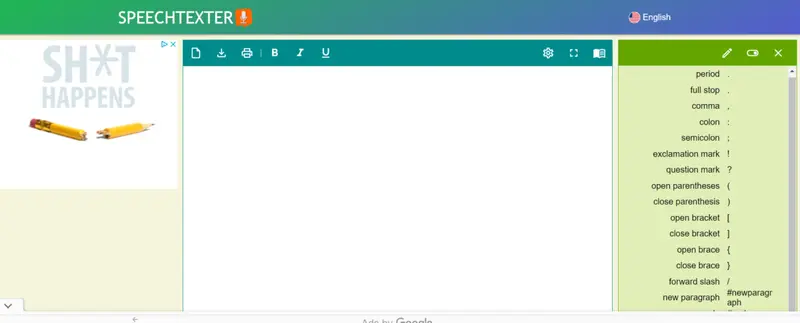
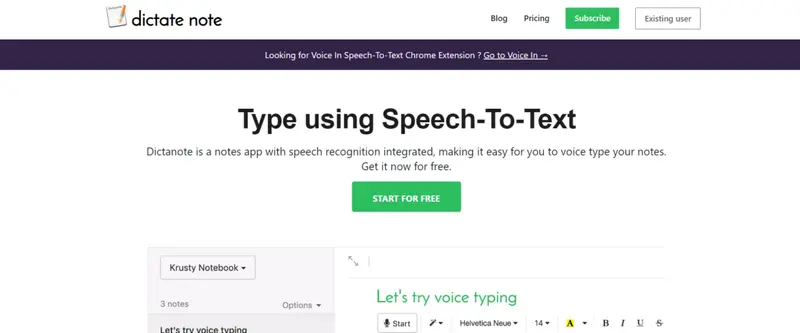
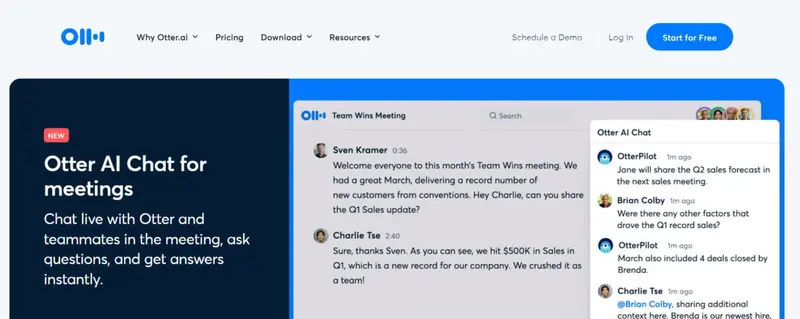
Speechnotes offers a robust, user-friendly, and accurate solution for speech-to-text needs, enabling seamless note-taking, dictation, and transcription services. As a web-based tool, it provides users with a distraction-free environment and easy access to an array of features like voice commands for punctuation and formatting, automatic capitalization, and straightforward import/export options. Serving millions of users since 2015, Speechnotes is a reliable choice for marketers aiming for fast, accurate, and secure transcription. Google Cloud Speech-to-Text is a powerful tool that accurately converts speech into text using Google’s advanced deep learning neural network algorithms. Recognized as a leader in the Gartner® Magic Quadrant™ for Cloud AI Developer Services report, this software delivers state-of-the-art accuracy for automatic speech recognition (ASR). One of the defining features of Google Cloud Speech-to-Text is its easy model customization, allowing users to experiment with, create, and manage custom resources with the Speech-to-Text UI. This offers greater flexibility in adapting the software to specific transcription needs. Its deployment options are flexible too, enabling users to deploy ASR either via the cloud with the API or on-premises. When it comes to reliable, continuous, and multilingual speech recognition, SpeechTexter stands as a go-to solution. This software, which converts spoken words into text, is designed to assist users in a variety of contexts – be it transcribing notes, drafting reports, or creating blog posts. With over 70 languages supported and a staggering accuracy level of more than 90%, it’s no wonder that students, teachers, writers, and bloggers worldwide make use of this free application daily. Dictanote leads the pack when it comes to integrating speech recognition within a notes application. This software allows users to effortlessly transcribe their speech into text in real-time, making the tedious task of note-taking a breeze. With an impressive accuracy rate of over 90%, Dictanote surpasses many offline services, including the popular Dragon Naturally Speaking. Boasting multilingual support, Dictanote caters to over 50 languages and 80 dialects. Its voice commands feature is robust, allowing users to insert punctuation, technical terms, and even correct mistakes using voice inputs. Further convenience is offered through keyboard shortcuts for dictation controls and language switching. If you’re seeking a cutting-edge AI Text to Speech reader, Speechify is your ideal companion. With more than 20 million downloads and a rating of 4.6 out of 5, this platform stands as a frontrunner in text to speech technology. Used by professionals and casual readers alike, Speechify powers through documents, articles, emails, PDFs, and more, converting them into easy-to-listen, natural-sounding audio. One of the most compelling attributes of Speechify is the variety of its narrator voices, ranging from the British Male Voice to celebrity voices such as Snoop Dogg and Gwyneth Paltrow. Its efficiency extends across platforms, with exceptional ratings on Chrome extension, iOS, and Android, making it an all-rounder for all your text-to-speech needs. If you’re looking for a comprehensive speech recognition solution, IBM Watson Speech to Text could be your ideal choice. This software is equipped with AI-powered technology that quickly and accurately transcribes speech in multiple languages. The uniqueness of IBM Watson lies in its versatility. It caters to a wide array of use cases, such as customer self-service, agent assistance, and speech analytics. It can be customized for your specific use case, with advanced machine learning models readily available or customizable for unique domain languages and specific audio characteristics. Enter a new realm of productivity with Otter, an AI meeting assistant designed to take comprehensive, automated notes. Gone are the days of manual note-taking. With Otter, you can capture audio, transcribe meetings, and even generate summaries – all in real-time. In the live transcript, you can collaborate with teammates, add comments, highlight key points, and assign action items. Otter even integrates with Google, Microsoft, and Zoom, making it an indispensable tool for virtual meetings. The automatic slide capture feature ensures that any shared slides during a meeting are included in the notes, providing a complete context of the discussion. As you navigate the world of speech-to-text solutions, you must consider Braina, a comprehensive speech recognition software with a user-friendly design. With Braina, you can easily dictate text in over 100 languages, resulting in a swift and efficient speech-to-text process that’s up to 3 times faster than typing. The software is perfect for individuals and businesses looking to streamline their operations, offering functions such as dictating text to fill out online forms and to Microsoft Word documents. When it comes to next-generation speech-to-text solutions, Alrite stands at the forefront. This AI-driven software is designed to revolutionize how businesses transcribe audio and video files into text documents. Leveraging state-of-the-art deep learning technology, Alrite provides a comprehensive and efficient transcription service, boasting an impressive 95% accuracy rate. What sets Alrite apart is its wide array of unique features. It not only transcribes recorded speech accurately but can also identify multiple speakers within the same audio or video material, a feature that’s particularly beneficial for businesses handling conference calls or group discussions. Alrite also offers an advanced audio search feature, making it easy to locate specific files or instances within a recording where a certain term is mentioned. For those who frequently need to convert audio files into text, Podcastle is a worthy contender to consider. It’s an AI-powered software designed to effortlessly transcribe voice to text without overwhelming users with complicated steps. Podcastle stands out with its simple three-step process: upload your audio or video file, allow Podcastle to transcribe your audio, and then download your transcribed text in either PDF or DOCX format. This straightforward procedure effectively eliminates the need for manual transcription, saving you time and ensuring a high level of accuracy.1. Speechnotes

2. Google Cloud Speech-to-Text

3. SpeechTexter
4. Dictanote
5. Speechify

6. IBM Watson Speech to Text
7. Otter
8. Braina

9. Alrite

10. Podcastle

What Features To Look For In Speech-To-Text Software?
While the number of choices might seem overwhelming, there are several key considerations to bear in mind when selecting the right software for your marketing needs.
- First, accuracy is paramount. A high-quality speech-to-text software will offer an impressive accuracy rate, minimizing the need for post-transcription editing.
- Next, ease of use is also crucial. The software should offer a user-friendly interface that doesn't require extensive technical knowledge to operate.
- Another important consideration is versatility. The ideal software will offer a range of functions beyond simple speech transcription, such as language detection, dialect recognition, and integration with other software tools.
- Lastly, the aspect of cost should not be overlooked. Striking the right balance between affordability and functionality is key in making a sustainable and economically sound choice.
Wrapping Things Up
Speech-to-text software is a revolutionary tool that has the potential to significantly enhance efficiency, accessibility, and productivity in numerous professional fields, especially in content creation, marketing, and customer service. With the power to transcribe spoken words into written text, these software solutions reduce the time and effort typically spent on manual transcription.
Modern offerings such as Podcastle and IBM Watson Speech to Text leverage AI and machine learning technologies to deliver high accuracy and support for multiple languages, making them versatile tools for global communication. Additional features like audio recording, editing, and data customization further extend their functionality, ensuring they cater to a broad spectrum of user needs.
While the cost of such software can vary, most provide flexible pricing plans and even free options to accommodate different budgets and requirements. However, potential users are advised to consider factors like data safety, device compatibility, and customer support when selecting a suitable speech-to-text software.
As technological advancements continue to evolve, the future of speech-to-text software looks promising, with the potential for even greater accuracy and more sophisticated features. It's safe to say that the integration of speech-to-text software is becoming increasingly essential in the digital landscape, offering an effective solution for navigating the ever-growing volume of audio and video data.
Frequently Asked Questions
Why should a marketer consider using speech to text software?
Marketers can utilize speech to text software for numerous reasons. It aids in transcribing interviews, webinars, and podcasts, saving time and ensuring accuracy. It's also a fantastic tool for creating written content from recorded brainstorming sessions, voice notes, and customer feedback. Overall, it helps in creating more accessible content and increases efficiency.
Is speech to text software accurate?
Modern speech to text software, especially those using AI and machine learning like Podcastle and IBM Watson Speech to Text, provide a high level of accuracy. However, accuracy can sometimes depend on factors like audio quality, accent, and the complexity of the language used.
Can I use speech to text software for languages other than English?
Yes, most speech to text software, including IBM Watson Speech to Text, support multiple languages. However, it's advisable to check the supported languages for each software, as it varies from one to another.
Is there a learning curve to using speech to text software?
Most modern speech to text software is designed with user-friendliness in mind. They offer intuitive interfaces and provide step-by-step guides to help users navigate the system. So, while there might be a minor learning curve initially, most users find these systems relatively easy to grasp and use.
What is speech-to-text software?
Speech-to-text software, also known as dictation software, converts spoken words into written text using voice recognition technology. It can be used for various purposes, including note-taking, transcription, and content creation.
What are the main benefits of using speech-to-text software?
The primary benefits include increased productivity, reduced physical strain from typing, and enhanced accessibility for individuals with disabilities. It allows users to dictate text quickly and efficiently.
Can speech-to-text software handle multiple speakers?
Yes, some advanced speech-to-text software, such as Amazon Transcribe, can distinguish between multiple speakers and transcribe their dialogue separately, making it useful for meetings and interviews.


