

UGC creators have become one of the fastest-growing roles in the creator economy as brands shift toward content that feels authentic on social media platforms.
Instead of producing polished studio ads, many companies now rely on creators who can film product demonstrations, testimonials, and short-form videos that resemble everyday social content.
Unlike traditional influencers, UGC creators are not primarily hired for access to their audience. Their value lies in producing content that brands can use across their own marketing channels, including paid social ads, product pages, and brand social feeds.
This approach allows companies to generate large volumes of creative assets while maintaining a style that feels native to platforms like TikTok, Instagram, and YouTube Shorts.
Industry data reflects how quickly this model is expanding. Recent research shows that 56% of brands now prioritize producing user-generated content, while nearly 19% say UGC is the main objective behind their influencer marketing campaigns.
As demand has grown, a dedicated ecosystem has emerged around UGC production. Creator marketplaces, influencer platforms, and specialized agencies now help brands discover and collaborate with creators who focus specifically on producing this type of content.
In this guide, we will explain what UGC creators are, how they work with brands, and where companies typically find them.
- What Are UGC Creators?
- UGC Creators vs Influencers
- Why Brands Work With UGC Creators
- How Brands Work With UGC Creators
- How Brands Find UGC Creators
- Top Platforms That Connect Brands With UGC Creators
- 1. Twirl
- 2. Collabstr
- 3. JoinBrands
- 4. Insense
- How Much Do UGC Creators Make?
- What Brands Should Look for in UGC Creators
- UGC Creators Are Becoming a Core Part of Modern Marketing
- Frequently Asked Questions
What Are UGC Creators?
UGC creators are individuals who produce user-generated content specifically for brands to use in their marketing campaigns. Rather than posting promotional content to their own audiences, these creators focus on producing videos, photos, and product demonstrations that brands can distribute across their own channels.
@ugcandkim Organic ugc video exemple with this amazing pdrn pink serum from @Medicube Global 🤍🤍🤍 #ugc #ugccreator #ugccontentcreator #ugcorganicexample #ugcexample #medicube
The term "UGC" stands for user-generated content, which traditionally referred to content created organically by customers or community members.
In marketing today, however, the concept has evolved. Many companies now hire dedicated creators to produce content that mirrors the style and authenticity of organic social media posts while still serving a clear marketing purpose.
A UGC creator’s primary role is to produce content that feels natural on platforms like TikTok, Instagram, and YouTube Shorts. These assets are often designed to blend seamlessly into social feeds, making them effective for both organic posting and paid advertising.
Types of Content UGC Creators Produce
UGC creators produce a wide variety of content formats that brands can use across marketing channels.
The most common formats include:
- Product demonstrations showing how a product works
- Unboxing videos highlighting packaging and first impressions
- Testimonial-style videos sharing personal experiences with a product
- Lifestyle clips featuring products in everyday scenarios
- Short-form ads designed for platforms such as TikTok and Instagram Reels
Because the focus is on content production rather than audience reach, UGC creators do not need large followings. Many operate behind the scenes, producing creative assets that brands can repurpose across multiple marketing channels.
@andreamurphyugc UGC Example Skincare ✨ @Hey Bud Skincare Absolutely loving this serum from Hey Bud 🫶🏼 Brands do you need engaging content for your socials? let's collab → 💌 [email protected] #ugccreator #ugccommunity #ugccontentcreator #ugcaustralia #ugcskincare
This model allows companies to scale their content output quickly.
Instead of relying solely on in-house creative teams or traditional production studios, brands can collaborate with multiple creators to generate a wide variety of authentic-looking content that resonates with modern social media audiences.
UGC Creators vs Influencers
UGC creators and influencers are often discussed together, but they play very different roles in marketing campaigns.
Both produce social media-style content, yet the value they provide to brands comes from different sources.
Influencers are primarily hired for their audience reach. Brands collaborate with them to promote products to followers through sponsored posts, reviews, or integrations within their content. The success of these partnerships usually depends on the size, engagement, and demographic profile of the influencer’s audience.
UGC creators, on the other hand, are hired primarily for their content production skills. Their role is to create videos, photos, or testimonials that brands can publish on their own channels or use as advertising creative. The creator’s personal following is typically not a deciding factor in these collaborations.
The distinction becomes clearer when comparing how brands use each type of creator.
|
Factor |
UGC Creator |
Influencer |
| Audience size | Not required | Usually important |
| Primary purpose | Produce marketing content | Promote products to followers |
| Content distribution | Brand channels and ads | Influencer’s social accounts |
| Typical use case | Paid social ads, product pages, brand feeds | Sponsored posts, influencer campaigns |
Because the goals differ, brands often work with both types of creators within the same marketing strategy.
Influencers help generate awareness and social proof through their audiences, while UGC creators supply the steady stream of authentic-looking content needed for advertising, social media posts, and product marketing.
@juliaphillipscreative Replying to @Christine some differences between being a ugc creator and an influencer #contentcreator #creatortips #ugc #influencer
As social platforms increasingly prioritize short-form video and creator-style storytelling, this distinction has become more important.
Many brands now treat UGC creators as a dedicated source of ad creative, particularly for performance-driven campaigns on platforms like TikTok and Instagram.
Why Brands Work With UGC Creators
Brands increasingly work with UGC creators because this style of content aligns closely with how people consume media on social platforms. Instead of polished commercials or studio-produced advertisements, audiences often respond more strongly to content that resembles everyday social posts.
Key Reasons Brands Work With UGC Creators
Research consistently shows that authenticity plays a major role in this shift. Studies indicate that over 92% of consumers trust recommendations from other people more than traditional advertising, highlighting the credibility advantage that user-generated content can offer brands.
UGC creators help brands produce marketing assets that feel native to platforms like TikTok, Instagram, and YouTube Shorts.
These videos typically follow familiar social formats such as product demonstrations, casual reviews, or short tutorials, which makes them appear more relatable than traditional advertising.
The performance impact is also significant. Campaigns that incorporate user-generated content often see substantially higher engagement rates, sometimes 28% to 70% higher than brand-created posts.
In addition, studies show that nearly 6 in 10 consumers say user-generated content influences their purchasing decisions, demonstrating its role in moving customers from discovery to conversion.
Another advantage is the ability to generate large volumes of content quickly.
Social media advertising often requires multiple creative variations so marketers can test different hooks, formats, and messaging. Working with UGC creators allows brands to produce many versions of a concept without the cost and time associated with traditional production.
@ugc.withrach Hooks are SO important! 🚨Especially as a UGC creator trying to create high converting content for brands. Your videos should always start with something that interrupts the pattern and stops the scroll! A good video should have both a visual hook and a spoken hook! Hope you liked some of these hook ideas 🫶🏻
Cost efficiency is another factor.
Hiring a creator to film short product videos is typically far less expensive than organizing a full production with studio equipment, actors, and editing teams. This makes UGC particularly appealing for performance marketing teams that need fresh ad creative on a regular basis.
Brands also value the flexibility of UGC content. Once a creator delivers the footage, companies can repurpose it across multiple channels, including:
- Paid social advertisements
- Brand social media accounts
- eCommerce product pages
- Email marketing campaigns
- Website landing pages
As digital marketing continues to prioritize authenticity and rapid creative testing, UGC creators have become an increasingly important source of scalable content for many marketing teams.
How Brands Work With UGC Creators
When brands collaborate with UGC creators, the partnership typically follows a structured content production process. Unlike influencer campaigns that focus on audience promotion, these collaborations revolve around producing marketing assets that brands can use across their own channels.
The process usually begins with a creative brief. In this brief, the brand outlines the product, the messaging to highlight, and the type of content needed. This may include guidance on tone, video format, key talking points, or platform-specific requirements for ads and social media posts.
Once the brief is finalized, the creator produces the content. This often involves filming short-form videos, product demonstrations, or lifestyle clips designed to look natural on social media platforms such as TikTok or Instagram.
Because the goal is authenticity, creators typically film the content themselves using familiar social media formats rather than studio-style production.
After the creator submits the content, the brand reviews it and may request revisions to ensure the messaging aligns with campaign goals. Once approved, the brand receives the final files along with usage rights that allow the content to be published across different marketing channels.
Many brands use UGC assets in several ways, including:
- Paid social advertising
- Brand social media accounts
- eCommerce product pages
- Website landing pages
- Email marketing campaigns
In some cases, brands also license the content for use in paid advertisements, allowing them to run the creator’s video as an ad across platforms like TikTok, Instagram, or Meta’s advertising network.
This flexibility is one of the reasons UGC creators have become a valuable source of marketing content.
How Brands Find UGC Creators
As demand for user-generated content has increased, brands have developed several ways to discover creators who specialize in producing this type of content. Companies may work with creators directly, collaborate through agencies, or use platforms designed to connect brands with creators.
Three Primary Ways Brands Find UGC Creators
Direct Brand Partnerships
Some brands work directly with UGC creators by reaching out through social media platforms such as Instagram, TikTok, or LinkedIn. In these cases, companies may identify creators whose style aligns with their brand and negotiate deliverables, pricing, and usage rights independently.
This approach is common among smaller brands or startups that prefer to manage creator relationships directly.
UGC Creator Platforms
Many collaborations now happen through specialized platforms that connect brands with creators who focus on producing user-generated content. These marketplaces allow brands to browse creator portfolios, review past work, and post campaign opportunities.
Platforms often streamline the process by managing contracts, payments, and campaign workflows, making it easier for marketing teams to coordinate multiple creators at once.
Agencies and Creator Networks
Larger campaigns are sometimes managed by influencer marketing agencies or creator networks. These organizations help brands identify suitable creators, coordinate content production, and oversee campaign execution.
Agencies may also assist with creative strategy, helping brands determine the types of UGC content most likely to perform well across different marketing channels.
Together, these discovery channels form the infrastructure of the growing ecosystem that connects brands with creators who specialize in producing user-generated marketing content.
Top Platforms That Connect Brands With UGC Creators
While brands discover UGC creators through social media or direct outreach, many prefer the use of specialized platforms to streamline the collaboration process. These platforms act as marketplaces where companies can search for creators, review portfolios, and commission content for marketing campaigns.
Below are several platforms commonly used by brands looking to work with UGC creators.
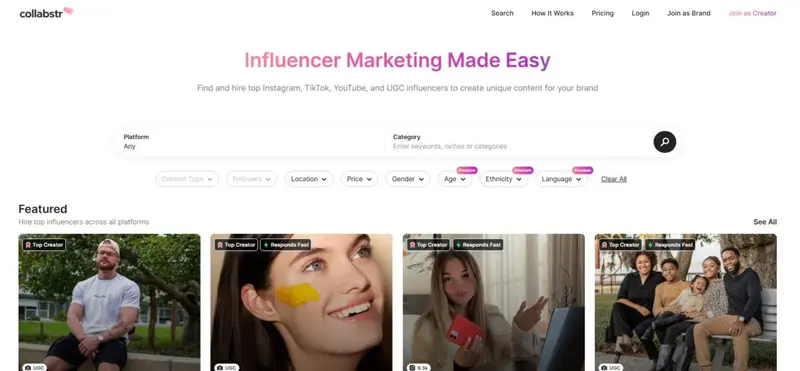
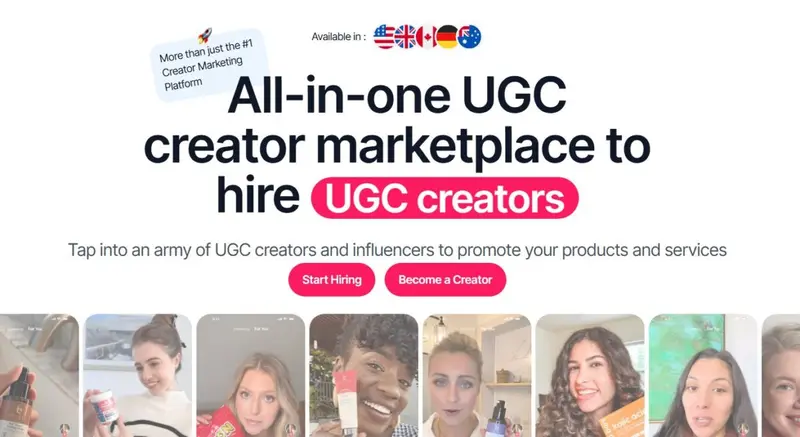
Twirl is a UGC production platform designed to help brands and agencies generate high-performing creator content at scale. Rather than operating purely as an open marketplace, Twirl combines a curated creator network with hands-on campaign support, positioning itself somewhere between a traditional UGC platform and a creative agency. The platform works with a network of more than 7,000 vetted creators across the UK, US, and Europe, covering niches ranging from beauty and wellness to apps, finance, and consumer products. Brands submit a creative brief through Twirl’s dashboard, and the platform matches them with creators who can produce content aligned with the campaign’s goals. One of Twirl’s distinguishing features is its emphasis on ad-ready content production. Brands receive both edited and clean versions of the final assets, often delivered in multiple aspect ratios to support paid social campaigns across platforms like TikTok, Instagram, and Meta ads. With transparent pricing, creator matching, and strategic support, Twirl is particularly useful for brands and agencies looking to scale UGC production while maintaining consistent content quality and performance. Key Features: Influencer Marketplace, Influencer Content Amplification, Influencer whitelisting, Freelancer/Creator Marketplace, Content Review, Content Library, Campaign Management, Campaign Reporting, Market & Competitor Analysis, Client Relationship Management, Content Management, Team/Collaboration Tools, Campaign management and reporting, Automated reporting, Faceted Search / Filtering, Full Campaign Design, Channels: Facebook, Instagram, Tiktok Collabstr is a creator marketplace designed to make it easy for brands to discover and hire creators for influencer collaborations and UGC production. The platform operates as a searchable marketplace where companies can browse thousands of creator profiles across platforms like Instagram, TikTok, YouTube, and dedicated UGC creators. Brands can filter creators based on niche, location, audience size, and content style, making it straightforward to find creators who match a campaign’s requirements. Once a brand selects a creator, the entire collaboration can be managed directly within the platform. Collabstr includes built-in messaging, secure payment processing, and campaign tracking tools that streamline the hiring process. One of the platform’s key strengths is its scale and accessibility. With a marketplace of more than 550,000 creators and over 330,000 brands using the platform, companies can either search for creators directly or post campaign briefs that allow creators to apply for collaborations. Because the platform does not require subscriptions or long-term contracts to begin browsing creators, Collabstr has become a popular option for brands looking to quickly source UGC content for marketing campaigns. JoinBrands is a creator marketing platform built specifically to help brands generate large volumes of user-generated content and product-focused social media assets. The platform operates as a campaign marketplace where brands post briefs and creators apply to produce content, allowing companies to quickly source multiple creators for a single campaign. One of JoinBrands’ key strengths is its scale. The platform connects brands with more than 250,000 UGC creators, along with over 100,000 TikTok Shop affiliates and thousands of influencers who can promote products or create marketing content. This makes it particularly useful for eCommerce companies looking to produce product videos, unboxings, and social media ads at scale. The workflow is structured around campaigns. Brands create a project, specify the type of content they need, and creators apply with their portfolios and pricing. Once selected, creators produce the content and upload it directly through the platform, where brands can review, approve, and manage deliverables. JoinBrands also integrates features designed for social commerce, including tools that help brands collaborate with TikTok Shop affiliates and run creator-generated content as paid advertisements. Insense is a creator marketing platform designed to help brands scale user-generated content production and influencer collaborations from a single system. Unlike simple creator marketplaces, Insense focuses heavily on producing performance-driven creator content, particularly for paid social advertising campaigns. The platform provides access to a network of more than 70,000 vetted creators across 35+ countries, many of whom specialize in producing short-form video content for platforms such as TikTok and Instagram. Brands can launch campaigns by creating a detailed creative brief that outlines campaign objectives, content requirements, and creator criteria. Creators apply directly to these campaigns, allowing brands to review portfolios and select collaborators that best match the project. Insense also includes built-in campaign management tools such as automated contracts, direct messaging, and payment processing, which simplify coordination across multiple creators. One of Insense’s distinguishing strengths is its focus on ad-ready creator content. The platform supports campaign formats such as TikTok Spark Ads, Meta Partnership Ads, product seeding, and affiliate collaborations.1. Twirl

2. Collabstr
3. JoinBrands
4. Insense

How Much Do UGC Creators Make?
The amount UGC creators earn varies depending on experience, production quality, and how the content will be used by the brand.
Because these creators are typically hired to produce marketing assets rather than promote products to their own audiences, pricing is usually based on content deliverables and usage rights, not follower counts.
Industry benchmarks suggest that many UGC creators charge between $150 and $250 per video on average, though pricing can vary depending on complexity and experience.
For example, a short product video for social media may cost anywhere from $100 to $400, while more complex videos with additional editing or scripting can reach $250 to $800 or more.
|
Deliverable |
Typical Price Range |
| Single short-form video | $100 to $500 |
| Package of 3 to 5 videos | $500 to $2,000 |
| Monthly content bundles | $1,000 to $5,000 |
UGC rates increase as creators gain experience or develop specialized niches. Some industry estimates show that top-tier creators may charge $500 to $1,500 or more per video, particularly when the content will be used in paid advertising campaigns.
Usage rights also play a major role in pricing. If a brand plans to run the content as paid ads or use it for an extended period, creators often charge additional licensing fees.
These fees can add 25% to 100% or more to the base rate, depending on how long the brand intends to use the content.
Other Factors that Influence UGC Rates
Other factors that influence UGC pricing include:
- The creator’s experience and portfolio quality
- Production complexity and editing requirements
- The number of content variations requested
- Exclusivity agreements with a brand
- The length of the campaign or partnership
Some creators also work on retainer agreements where they produce a set number of videos or photos each month. This model has become increasingly common as brands seek a consistent supply of fresh creative assets for social media and paid advertising.
As demand for user-generated content continues to grow, many creators are turning UGC production into a professional service, building portfolios and pricing structures similar to freelance videographers or content producers.
What Brands Should Look for in UGC Creators
Not all UGC creators deliver the same results. While many can produce product videos or lifestyle clips, the most effective creators understand how to make content that performs well within social media feeds and advertising environments.
When evaluating potential collaborators, brands typically look beyond aesthetics and focus on whether a creator can produce marketing assets that align with campaign goals.
Key Focus Areas When Hiring UGC Creators
Content Style and Platform Familiarity
UGC content is designed to feel native to social platforms. Creators who understand how audiences engage with short-form video on platforms like TikTok, Instagram, and YouTube Shorts are often better equipped to produce content that resonates with viewers.
This includes using familiar formats such as product demonstrations, tutorials, or casual storytelling that mirrors the type of content users already see in their feeds.
Production Quality
While authenticity is important, technical quality still matters. Clear audio, good lighting, and stable framing help ensure that content looks professional without losing the informal style that makes UGC effective.
Brands often review a creator’s portfolio to evaluate whether their content maintains this balance.
Editing and Storytelling Ability
Strong UGC creators understand how to structure short videos that capture attention quickly. Effective content often begins with a compelling hook, followed by a concise explanation of the product and a clear message or call to action.
These storytelling skills can significantly influence how well a piece of content performs in social media feeds or advertising campaigns.
Experience With Brand Collaborations
Creators who have previously worked with brands often understand the expectations around deliverables, timelines, and revisions. This experience can make collaborations smoother and help ensure that the final content meets the brand’s requirements.
Reviewing a creator’s previous partnerships or campaign work can provide insight into how well they adapt their content style to different products and audiences.
By evaluating these factors, brands can identify UGC creators who are not only capable of producing engaging content but also understand how to create assets that support broader marketing and advertising strategies.
UGC Creators Are Becoming a Core Part of Modern Marketing
UGC creators have quickly evolved from a niche group of content producers into an essential part of many brands’ marketing strategies.
As social platforms prioritize short-form video and creator-style storytelling, companies increasingly rely on creators to produce content that feels natural within social feeds.
Unlike traditional advertising, UGC content allows brands to generate authentic marketing assets at scale while maintaining the informal style audiences respond to most.
With the growth of creator marketplaces, influencer marketing platforms, and social commerce ecosystems, working with UGC creators has also become easier and more structured for marketing teams.
For brands looking to keep pace with modern digital marketing, UGC creators now represent one of the most flexible and scalable ways to produce content that drives engagement, builds trust, and supports performance-driven campaigns.
Frequently Asked Questions
What are UGC ads and how do brands use them?
UGC ads are advertisements built from content created by individuals rather than traditional studio productions. They often appear as product demonstrations, testimonials, or casual videos that resemble organic social posts.
Brands use UGC ads in paid social campaigns because they blend naturally into platforms like TikTok and Instagram while maintaining a more authentic style than traditional advertising.
What qualifies as user-generated content in marketing?
User-generated content includes photos, videos, reviews, and social posts created by customers or creators instead of the brand itself. Companies often reuse this material across social media, websites, and advertising campaigns to showcase real product experiences.
In many marketing strategies, user-generated content helps build credibility while providing a steady stream of authentic content.
What tools do creators use to produce UGC videos?
UGC creators typically use smartphones alongside editing apps and video tools to produce short-form content for social media. These tools help creators add captions, trim clips, and structure videos for platforms like TikTok and Instagram.
Many creators rely on specialized UGC video makers to streamline editing and optimize content for social feeds.
Are free or paid tools better for creating UGC videos?
Both free and paid tools can support UGC production. Free options usually provide basic editing features, while paid tools often include templates, automation, and more advanced editing capabilities.
When choosing between free vs paid UGC video creation tools, creators often consider how frequently they produce content and how much control they need over editing.
What mistakes should brands avoid when writing UGC briefs?
A common challenge in creator collaborations is providing unclear instructions. Without clear messaging, creators may produce content that does not match the campaign’s goals. Brands can improve results by outlining product highlights, audience targets, and content formats in advance.
Avoiding common UGC brief mistakes helps ensure creators deliver content aligned with the campaign.
Why are UGC video ads effective for social media marketing?
UGC video ads perform well because they resemble organic social content rather than traditional commercials. Formats like product demos or quick testimonials often feel more relatable to viewers scrolling through social feeds.
For this reason, many marketers rely on UGC video ads when running campaigns on platforms such as TikTok and Instagram.
How do brands moderate user-generated content?
When brands collect large amounts of creator or customer content, moderation becomes important to maintain quality and brand safety. Teams typically review submissions for accuracy, compliance, and alignment with brand guidelines before publishing them.
Many organizations implement structured UGC content moderation processes to manage this workflow.
When should brands work with UGC video agencies?
Brands often work with agencies when they need to produce large volumes of creator content or manage campaigns involving multiple creators. Agencies help coordinate creator sourcing, briefs, timelines, and approvals.
Companies looking to scale production frequently collaborate with UGC video agencies to streamline campaign execution.

SUGGESTED

UGC Creator Portfolio: How to Build One That Lands Paid Brand Deals (+5 Examples)
A UGC creator portfolio stands out by clearly showing your niche best-performing content...
The Complete Guide to UGC Video Ads: Strategies, Best Practices, and Real Examples
UGC video ads outperform traditional ads by blending authenticity social proof and...
What Is UGC and How Does User Generated Content Work for Brands
Learn how UGC works for brands from sourcing and rights to performance measurement with...