
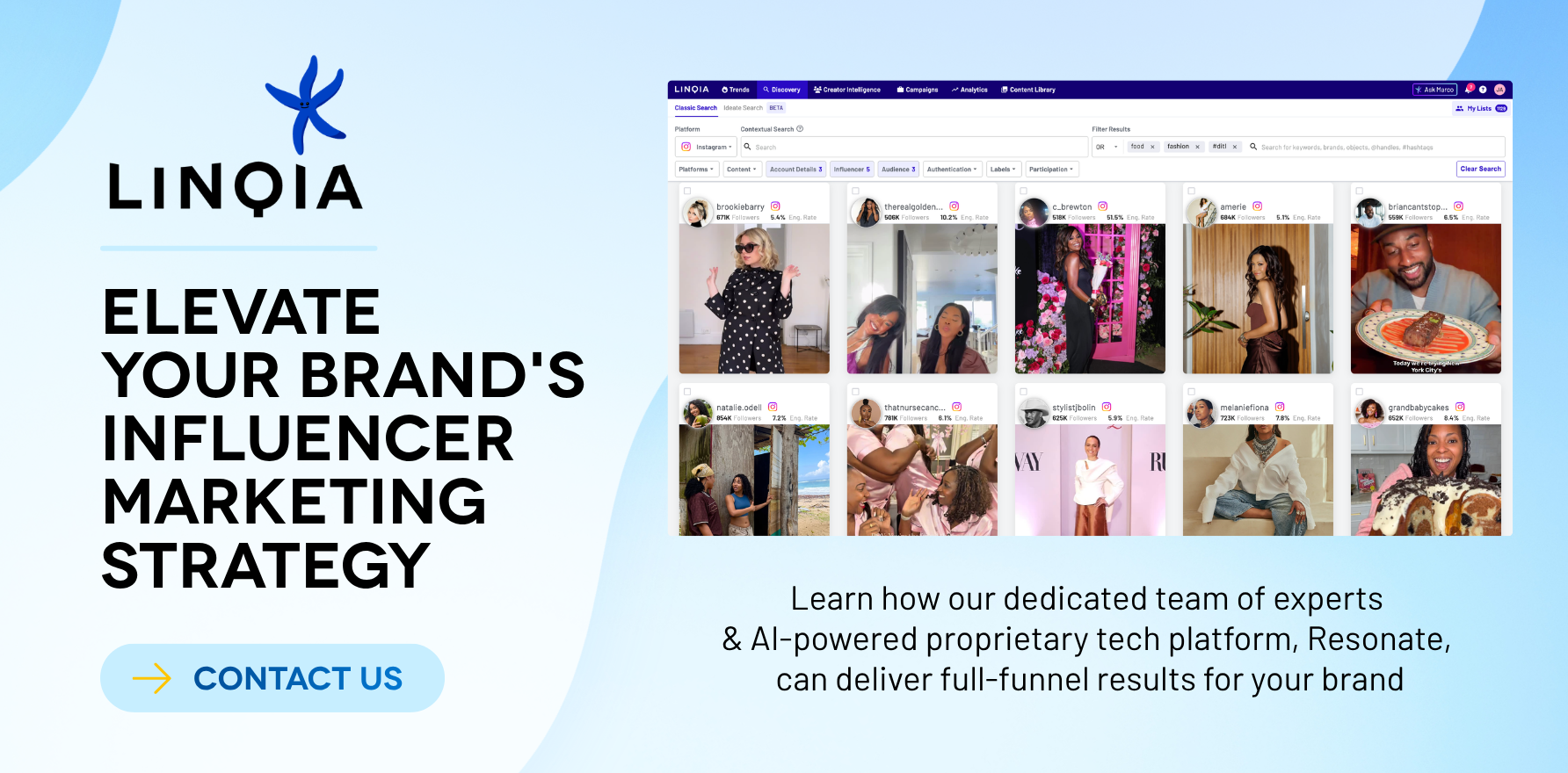

When businesses start a creator program, a spreadsheet and direct messages seem enough. But as programs grow to hundreds of partners, this manual approach becomes ineffective. The following guide shows how to set up a system using tools like Mention Me influencer campaign management software to keep data in order.
Why creator ops breaks at scale
Scaling often fails when teams treat creators as creative projects rather than operational units, causing data silos and difficult ROI tracking.
The hidden tax: scattered tools, missing context, and messy attribution
The hidden tax is the technical debt of duct-tape solutions. When communication happens across DMs, email, and Slack, context is lost.
Attribution gets confusing when teams rely only on last-click data, which overlooks the entire customer journey. In 2026, 34% of influencer ads did not include proper disclosure, which raises legal risks.
If you don’t use a unified system like Mention Me influencer campaign management software, it becomes difficult to know which creator first connected with a customer.
The goal: one system of record + repeatable process
A System of Record, or SOR, is a single source for your business data. This way, every team uses the same trusted information.
When you standardize your workflow, creative projects become more efficient and easier to scale.
| Operational Goal |
Automated Workflow Impact |
Evidence |
| Speed | Removed manual steps | 77% faster cycles |
| Accuracy | Automated AI mapping | 95% fewer errors |
| Scalability | Deep system integration | 25% revenue lift |
The end-to-end workflow map (outreach → reporting)
A seven-step process guides creators from introduction to reactivation.
| Stage | Focus | Requirement |
| 1. Sourcing | Fit & Authenticity | Discovery Filters |
| 2. Outreach | Relationship | Email Sequences |
| 3. Compliance | Legal & FTC | Contract Vault |
| 4. Production | Creative Briefing | Briefing Portal |
| 5. Governance | Brand Safety | Approval Flows |
| 6. Tracking | ROI & Payouts | S2S Postbacks |
| 7. Reactivation | LTV Optimization | Scorecards |
Stage 1 — Sourcing and shortlisting
To succeed, start by setting clear goals like building awareness, increasing engagement, or driving sales. Nano-creators are the most efficient at engaging audiences with an average engagement rate of 2.71%.
Stage 2 — Outreach and negotiation
Personalization is non-negotiable. 65% of influencers prefer early involvement in creative development.
Stage 3 — Contracting, disclosures and compliance
Per 2026 FTC Guidelines, material connections must be disclosed at the start. For videos, disclosures must be spoken and shown on screen.
Stage 4 — Briefing and content production
A good brief clarifies brand voice and “no-go” zones. Avoid over-scripting. Content that feels like a polished ad is often ignored.
Stage 5 — Approvals, publishing and amplification
Set up a clear approval process to prevent mistakes. 73% of marketers use AI for better campaign results.
Stage 6 — Tracking, payouts and fraud checks
Watch for fraud signs, such as sudden jumps in follower numbers. On average, 15% of followers are fake, costing businesses $1.3 billion annually.
Stage 7 — Reporting, takeaways and reactivation
Review performance metrics such as LTV to CAC ratios. Include high performers in ongoing reactivation cycles.
Build your single source of truth
A specialized CRM sorts performance data to improve ROI.
| Data Category | Target | 2026 Benchmark |
| Regional Fit | Target Location | Internal KPI |
| Audience Quality | Real Followers | <15% bot threshold |
| Efficiency | Historical ROI | $5.78 per $1 spent |
Must-have creator fields (fit, rates, audience, history)
An influencer platform, like Mention Me influencer campaign management software, tracks identity and performance data, from PayPal emails to annual audience growth.
Campaign fields (offer, codes, UTMs, deliverables, rights)
When you track lead sources with UTMs, you can see which marketing channels perform best and plan your budget effectively.
Linking everything with IDs
Unique IDs link creators to their assets and redemption codes, making reports more detailed and easier to track.
Outreach system that doesn’t feel spammy
Segmenting your audience and personalizing follow-ups both help to keep outreach genuine.
Segmentation (local, niche experts, UGC-only, sales-driven)
Campaigns that match a specific niche get better engagement and more average views.
Templates and follow-up sequences
Tweak messaging templates for each person. Automating follow-ups at 3, 7, and 14 days improves conversion rates.
Response tracking and handoffs
Make sure everyone — from creator to editor and approver — knows their role. With the Mention Me influencer campaign software, once a creator agrees, the contract starts automatically.
Briefs that reduce revisions and improve performance
Structured briefs focus on context rather than strict control, reducing revision cycles.
The one-page brief structure
Brevity is the most important element of a brief:
- Start with a headline that gives context
- Include visuals that show the desired look and feel
- List the deliverables and clarify what is required
Location cues and CTAs
Finish with one clear call to action. Avoid too many choices, as this can cause confusion for users.
Versioning and change control
Centralizing feedback into one system prevents confusion and ensures that creators aren't working off outdated versions of a brief.
Approvals and content governance
Using standard approval workflows and managing usage rights helps protect your brand from legal risks and keeps your messaging consistent as you grow.
Review checklist
Before publishing, use a checklist to review content. Your final checklist should include spelling, working links, correct branding, and legal requirements like proper #ad placement.
File management
Organize your files with a clear naming system. This makes it easy for social media and growth teams to find what they need without digging through emails.
Usage rights and whitelisting approvals
Usage rights tell you where and how you can use creator content. Always track when these rights expire to stay clear of legal problems.
Tracking that survives real life (and proves ROI)
Switching from basic UTMs to server-side tracking and attribution modeling gives you a complete picture of how creators influence every stage of the funnel.
| Stack Level | Tools | Use Case |
| Minimum | Codes + UTMs | Basic conversion logging |
| Better | Pixels + 2S2 | Mobile-web attribution |
| Best | MMM Modeling | Holistic offline/online impact |
Minimum stack
Every program should start with unique promo codes and UTM parameters to link creators to specific traffic sources.
Better stack
Tracking pixels are small, hidden tools that send event data, like a purchase, back to your server. They help you calculate ROI more accurately and automate optimization.
Offline tracking options (QR, POS prompts, booking tags)
If your brand has physical locations, using QR codes or point-of-sale prompts can link digital creator content to in-store sales.
Payout ops and fraud protection
Careful fraud monitoring and risk-based payout steps ensure only real, approved transactions result in payments.
Payout rules
Handle creator payouts carefully and set clear review limits. Check high-value withdrawals first and verify them manually.
Fraud signals
- Audience Clusters: Suspicious regional follower spikes
- Engagement Velocity: Bot-driven likes within minutes
- Comment Quality: Generic emoji or bot replies
Disputes and audit trails
Keep records of all rule decisions and payment details to resolve disputes and maintain compliance.
Reporting that drives decisions (not vanity dashboards)
Performance dashboards focused on LTV:CAC ratios and revenue attribution help brands identify high-value channels for reinvestment.
Creator scorecards
Combine reach and view numbers with engagement data to better understand a creator’s impact.
Campaign rollups
The LTV-to-CAC ratio is a key profitability metric. A 3:1 ratio means you earn $3 in revenue for every $1 spent to acquire a customer.
Insights loop
Performance data only matters if it helps you improve your next round of content. Use data to see if engagement was higher on TikTok or Instagram to improve future content.
The tech stack blueprint
Integrating an influencer platform with core business systems eliminates a big chunk of manual data tasks and measurably increases revenue.
Creator platform, spreadsheets and CRM
While a CRM manages relationships, a platform like Mention Me's influencer campaign management software automates specialized workflows for creator discovery and tracking.
Required integrations
Your stack must connect to your ecommerce platform (e.g., Shopify), CRM, and BI tools for data-driven decision-making.
Data export strategy
To treat creator data as a strategic asset, move past CSV exports. Modern systems use API webhooks and data warehousing for real-time, cross-team reporting.
Common failures
Finding and addressing issues early on, like missing IDs or limited usage rights, helps keep your ROI strong over time.
No IDs → reporting chaos
Failing to use unique identifiers makes it impossible to reconcile data at scale.
Approval bottlenecks
Having too many review steps slows things down and doesn’t make the process clearer.
Last-click attribution misleading data
If you only look at last-click results, you might miss the value creators bring early on and end up under-investing in your best partners.
Templates you can include
Using pre-built operational frameworks helps teams manage complex campaigns more easily and with fewer mistakes.
Creator pipeline stages and definitions
| Stage | Definition |
| Candidate | Vetted but not yet invited |
| Invited | Proposal sent, awaiting response |
| Negotiation | Terms being finalized |
| Draft Review | Content submitted for approval |
| Live | Content is public and tracked |
| Complete | Deliverables met and payment processed |
One-page brief template
A clear brief should cover the:
- Campaign objective
- Visual direction
- Main deliverables
- Call to action
Weekly reporting dashboard schema
Each week, track:
- Net follower growth
- Cross-platform views
- Engagement rate
- Conversion funnel metrics
Growing a creator program
To grow a creator program, shift from manual work to organized operations. Using one system and a repeatable workflow makes creator marketing more predictable and effective, so don’t delay and check out how a unified platform helps through Mention Me influencer campaign management software.

SUGGESTED

Crafting The Perfect Influencer Outreach Email (+ Free Templates)
Learn how to write influencer outreach emails that get replies. Includes 10 free...