
The eCommerce landscape is entering a new phase where growth depends less on individual channels and more on how well marketing, technology, and commerce work together. As retail media, marketplaces, AI-driven personalization, and cross-border selling continue to accelerate, staying current is becoming increasingly complex.
But which strategies will actually scale in 2026, and which trends are already losing momentum?
One clear pattern is the rapid rise of commerce media as a core revenue driver. Industry forecasts suggest that by the end of the decade, almost 20% of global advertising spend will be directed toward commerce and retail media environments, fundamentally reshaping how brands reach shoppers.
At the same time, eCommerce teams are being asked to deliver stronger performance with tighter margins and higher customer expectations.
This is where industry events become essential. The right conferences offer direct access to practical insights, emerging platforms, and real-world use cases.
This guide highlights the top eCommerce events to add to your calendar in 2026, helping you focus on what matters most next year.
Top eCommerce Events for 2026:
- Top eCommerce Events for 2026:
- 1. Balkan eCommerce Summit 2026
- 2. eComm Live Conference 2026
- 3. NRF 2026
- 4. eTrade Show 2026
- 5. eTail Asia 2026
- 6. Retail Innovation Conference & E-Commerce Summit
- 7. E-commerce Berlin Expo
- 8. One to One Retail E-commerce 2026
- 9. B2B eCommerce World UK & Europe
- Why Should Brands Attend eCommerce Events?
- Planning Your 2026 eCommerce Event Calendar Starts Now
- Frequently Asked Questions
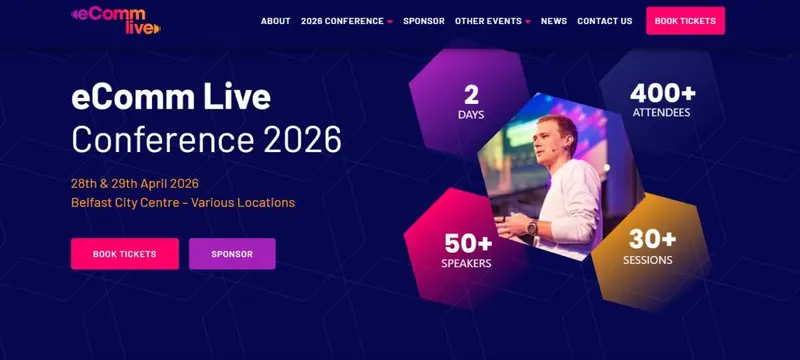
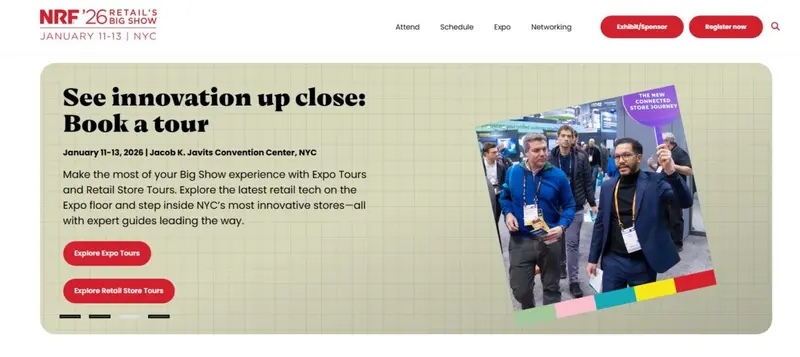
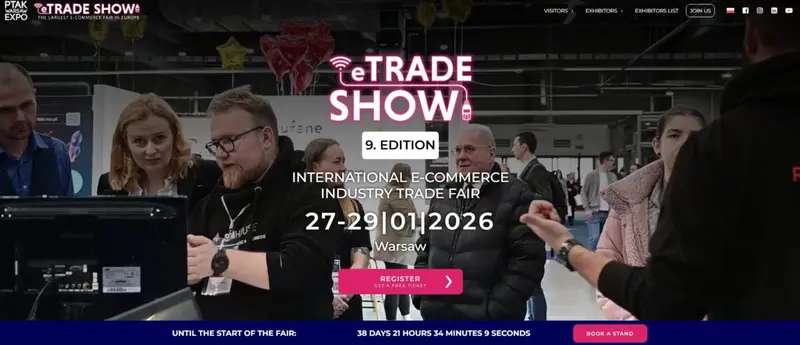
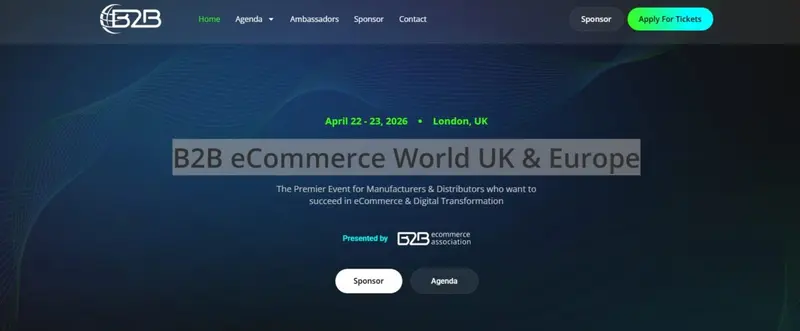
Date: April 28 to 29, 2026 Location: Sofia, Bulgaria Venue: Tsarigradsko Shose Blvd, Sofia Pricing: Regular passes start at €89, with higher tiers including Regular plus Party at €149 and VIP access at €399, offering added networking and hospitality benefits. Balkan eCommerce Summit 2026 is a leading regional event focused on cross-border eCommerce growth across Southeast and Central Europe. It brings together founders, marketplace leaders, marketing strategists, and technology providers from more than 23 countries, creating a concentrated environment for understanding how digital commerce operates across diverse markets. The event’s value lies in its strong emphasis on actionable eCommerce marketing insights tied to real regional data. Sessions explore performance marketing, influencer impact, conversion rate optimization, AI adoption, and marketplace expansion strategies tailored to the Balkans. This makes it particularly relevant for teams looking to test new markets, localize campaigns, or build scalable growth frameworks beyond Western Europe. With a growing expo floor and structured networking formats, the summit also supports practical partner discovery across logistics, payments, automation, and customer experience, turning regional complexity into measurable commercial opportunity. Date: 28 to 29 April 2026 Location: Belfast, Northern Ireland Venue: Belfast City Centre, multiple conference and event locations Pricing: Standard Conference Pass starts at £349 plus VAT, with VIP passes at £649 plus VAT offering additional dining and premium networking access. eComm Live Conference 2026 is a community-driven eCommerce event designed to foster meaningful connections and practical learning across two immersive days. Hosted in Belfast, the conference brings together senior eCommerce professionals, brand leaders, and digital specialists from across Ireland and the UK in a setting that prioritizes depth over scale. The event is closely aligned with modern eCommerce marketing challenges, focusing on brand building, customer acquisition, retention, and omnichannel growth. Sessions explore real-world strategies across DTC, retail, and marketplace-led models, with insights shared by operators from established and fast-growing brands. What sets eComm Live apart is its emphasis on relationship-driven networking through curated social events, workshops, and roundtable-style discussions. This structure makes it easier to exchange ideas around performance marketing, CRO, customer experience, and brand storytelling in a way that translates directly into commercial impact. Date: 11 to 13 January 2026 Location: New York City, United States Venue: Jacob K. Javits Convention Center Pricing: Retail Expo Pass is free for qualified retailers with advance registration. All-Access Passes are paid and unlock conference sessions, workshops, and the AI Stage. Additional add-ons are available for retail media and curated tours. NRF 2026, also known as Retail’s Big Show, is the world’s largest retail and eCommerce conference, bringing together global brands, technology providers, and industry leaders in one highly concentrated setting. The event spans strategy, marketing, operations, and technology, with a strong focus on how digital commerce continues to reshape retail at scale. From an eCommerce marketing perspective, NRF delivers direct insight into brand building, retail media networks, omnichannel personalization, and customer experience across owned and marketplace channels. Sessions highlight how leading retailers and DTC brands approach performance marketing, data-driven merchandising, loyalty, and AI-powered growth. The expansive expo floor showcases emerging commerce platforms, marketing automation tools, and analytics solutions, making it easier to evaluate what will define competitive advantage in the next phase of online retail. Date: 27 to 29 January 2026 Location: Warsaw, Poland Venue: Ptak Warsaw Expo, Nadarzyn Pricing: Trade Pass is free with online registration or 150 PLN on-site. Business Priority Pass costs 249 PLN and includes fast-track entry, concierge support, and exhibitor materials. eTrade Show 2026 is one of Central and Eastern Europe’s largest eCommerce trade fairs, designed to showcase the technologies, services, and strategies shaping online retail across the region. Hosted at Ptak Warsaw Expo, the event combines a large-scale exhibition floor with educational conferences and practical industry summits. The event connects directly to eCommerce marketing through its strong focus on how digital storefronts, social commerce, omnichannel strategy, and customer experience drive measurable sales growth. Sessions and exhibitor showcases cover areas such as personalization powered by AI, marketplace expansion, payment security, logistics optimization, and the integration of social platforms into the buying journey. This makes the event particularly valuable for understanding how marketing decisions intersect with operations, fulfillment, and conversion performance. By bringing together solution providers and active online sellers, eTrade Show offers a clear view of how marketing-led innovation translates into scalable eCommerce revenue. Date: 24 to 25 March 2026 Location: Singapore Venue: Equarius Hotel, Sentosa Pricing: All-Access Pass starts at $899 for early registrations, with standard rates around $1,299 plus GST. Group discounts apply for teams, and separate pricing is enforced for solution providers. eTail Asia 2026 is a senior-level retail and eCommerce conference focused on how digital, data, and customer experience strategies drive sustainable growth across the Asia Pacific markets. The event brings together decision-makers from leading regional and global brands for two days of in-depth discussion, case studies, and peer-led sessions. The agenda is tightly aligned with modern eCommerce marketing priorities, including performance marketing, omnichannel personalization, loyalty, AI-driven optimization, and cross-market scalability. Sessions emphasize practical application, showing how teams connect brand storytelling, paid media, CRM, and onsite experience into cohesive revenue engines. What distinguishes eTail Asia is its interactive format, combining roundtables, workshops, and curated networking to encourage real knowledge exchange rather than surface-level insights. This structure makes it particularly valuable for translating regional consumer behavior, platform dynamics, and technology adoption into repeatable eCommerce growth strategies. Date: 26 to 27 March 2026 Location: Amsterdam, Netherlands Venue: Holiday Inn Amsterdam – Arena Towers Pricing: In-person conference passes start at €1,799 plus VAT with early discounts available. Exhibition packages start at €4,999 plus VAT and include booth space and attendee access. The Global Retail Innovation Conference & E-Commerce Summit 2026 is a high-level European event focused on how technology, customer experience, and digital commerce are reshaping modern retail. Hosted in Amsterdam, the summit brings together senior retail, eCommerce, and marketing leaders to explore how innovation moves beyond transactional selling and into long-term customer value. The event strongly connects to eCommerce marketing through its emphasis on omnichannel strategy, AI-driven personalization, and data-led customer journeys. Sessions examine how marketing, commerce, logistics, and compliance must work together to deliver seamless experiences across digital and physical touchpoints. Real-world case studies and interactive discussions highlight how brands use automation, analytics, and experience design to increase conversion, retention, and lifetime value. This makes the summit especially relevant for understanding how marketing strategy supports scalable growth while adapting to regulatory, technological, and consumer behavior shifts across European markets. Date: 17 to 18 February 2026 Location: Berlin, Germany Venue: Messe Berlin Pricing: Free registration for retailers and brands with eligibility approval. Non-retailer tickets are released in limited paid tiers starting from €49. VIP passes are available with upgraded access and benefits. E-commerce Berlin Expo 2026 is one of Europe’s largest and most influential eCommerce events, marking its 10th edition with a strong focus on practical growth, innovation, and market-ready solutions. The event brings together online retailers, global brands, marketplaces, and technology providers for two intensive days of learning and deal-making. The expo is tightly connected to eCommerce marketing through its emphasis on performance growth, retail media, marketplaces, CRM, and customer acquisition at scale. Conference sessions cover topics such as paid media optimization, social commerce, influencer strategy, personalization, and cross-border expansion, while the exhibition floor allows direct comparison of tools across payments, fulfillment, automation, and analytics. With a retailer-first attendance model and deep representation from the DACH and wider European markets, the event offers clear insight into how marketing, technology, and operations align to drive sustainable online revenue growth. Date: 10 to 12 March 2026 Location: Monaco Venue: Monaco, multiple event and meeting venues Pricing: Invitation-only event. Attendance is complimentary for approved retail decision-makers, while solution providers participate through paid partnership packages. One to One Retail E-commerce 2026 is a highly curated business event designed around pre-scheduled, one-to-one meetings between retail decision-makers and technology or service providers. Rather than a traditional expo format, the event focuses on matching active investment projects with relevant solutions, creating a setting where conversations are directly tied to real commercial needs. Its relevance to eCommerce marketing comes from the way strategy, technology, and customer experience intersect throughout the program. Conferences and case studies explore topics such as acquisition, personalization, omnichannel retailing, data usage, and generative AI, all framed around measurable business outcomes. The structured meeting format allows marketing and commerce leaders to evaluate platforms, partners, and approaches in a short timeframe, while peer-to-peer networking supports deeper insight into how leading retailers are adapting to rapidly changing consumer expectations. Date: 22 to 23 April 2026 Location: London, United Kingdom Venue: QEII Centre, Westminster Pricing: Ticket access is application-based. Pricing is provided upon approval, with options for standard attendance and sponsor participation. B2B eCommerce World UK and Europe 2026 is a focused conference built specifically around the realities of selling online in manufacturing and distribution environments. The event is designed to address how complex B2B buying journeys, long sales cycles, and account-based relationships are being reshaped by digital commerce and modern marketing practices. The agenda connects eCommerce marketing directly to revenue impact by exploring how demand generation, customer experience, and digital platforms support B2B growth. Sessions examine topics such as aligning sales and marketing teams, improving self-serve buying journeys, leveraging data for personalization, and integrating eCommerce into broader commercial strategies. What distinguishes this event is its practitioner-led format, with insights shared by leaders actively running B2B commerce programs rather than vendors promoting tools. This makes it particularly valuable for understanding how digital marketing, eCommerce platforms, and operational change work together to drive scalable B2B performance.1. Balkan eCommerce Summit 2026
2. eComm Live Conference 2026
3. NRF 2026
4. eTrade Show 2026
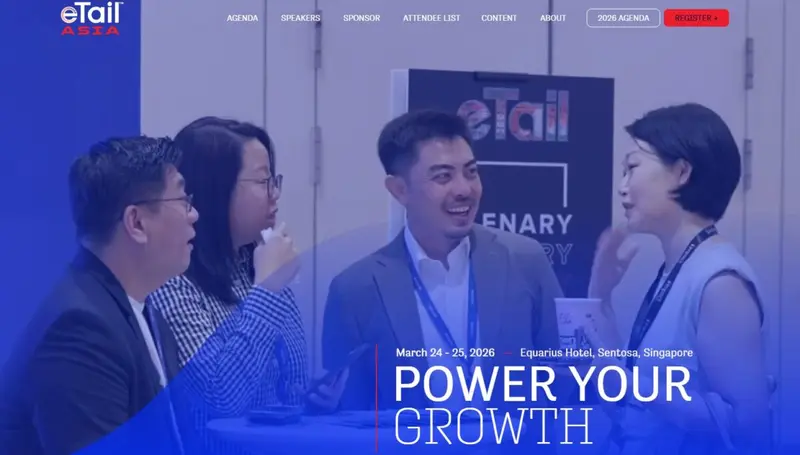
5. eTail Asia 2026
6. Retail Innovation Conference & E-Commerce Summit
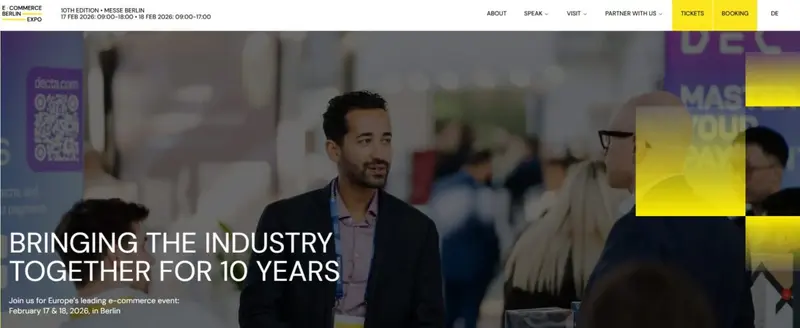
7. E-commerce Berlin Expo
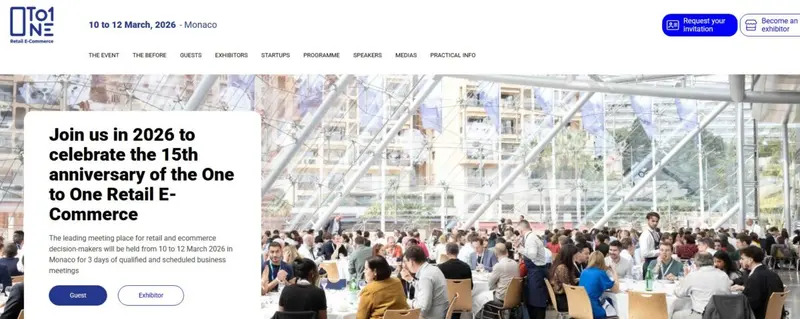
8. One to One Retail E-commerce 2026
9. B2B eCommerce World UK & Europe
Why Should Brands Attend eCommerce Events?
eCommerce events play a critical role in helping businesses stay competitive in an industry that evolves faster than most digital sectors. Platforms change, consumer expectations shift, and new channels emerge every year. Conferences and summits provide concentrated exposure to these changes in a way that day-to-day operations rarely allow.
Access Real-World eCommerce Insights
One of the most immediate benefits is access to real-world insights. Event sessions are typically built around case studies, frameworks, and lessons learned from brands operating at scale. This makes it easier to understand what is actually working across acquisition, retention, marketplaces, conversion optimization, and omnichannel strategy.
Instead of relying on theoretical best practices, attendees gain perspective grounded in execution and measurable outcomes.
Discover Bew Technology and Platforms
Another major advantage is visibility into emerging technology and tools. Exhibition floors and demo sessions make it possible to compare platforms side by side, from marketing automation and personalization engines to logistics, payments, and analytics solutions.
Seeing how these tools are positioned and how peers are using them helps clarify which investments align with current growth priorities and which trends are still early stage.
Build Meaningful Industry Connections
Networking is also a key driver of value. eCommerce events bring together professionals facing similar challenges, often across different markets or verticals. Conversations during sessions, workshops, or informal gatherings frequently surface practical insights that never make it into slide decks.
These exchanges can influence hiring decisions, partner selection, and long-term strategic direction.
Step Back and Think Strategically
Events also create space for strategic thinking. Stepping away from daily performance metrics allows teams to assess broader questions around brand positioning, customer lifetime value, cross-border expansion, and the role of AI in future growth.
This perspective is especially valuable as eCommerce becomes more integrated with retail media, influencer marketing, and offline touchpoints.
Strengthen Long-Term Competitive Advantage
Finally, attending industry events signals commitment to growth and innovation. Staying visible within the ecosystem helps build credibility, strengthen partnerships, and maintain awareness of how the competitive landscape is evolving. Over time, these benefits compound, turning individual events into long-term advantages for eCommerce performance and decision making.
Planning Your 2026 eCommerce Event Calendar Starts Now
E-commerce in 2026 will be defined by how quickly businesses adapt to new channels, technologies, and customer expectations. The events highlighted in this guide reflect where the industry is heading, from AI-driven personalization and retail media to cross-border expansion and B2B digital transformation.
Attending the right conferences creates opportunities to learn directly from operators shaping the market, evaluate emerging platforms in real time, and build relationships that influence long term growth. Beyond inspiration, these events provide practical insight into how marketing, technology, and operations intersect to drive measurable eCommerce performance.
Choosing which events to attend is not about quantity, but relevance. The most valuable conferences align closely with current growth priorities, target markets, and internal capabilities.
With thoughtful planning, these events become strategic investments that help sharpen decision-making and keep eCommerce strategies competitive well beyond 2026.
Attending eCommerce events provides opportunities to learn about the latest industry trends, network with like-minded professionals, gain insights from expert speakers, and discover new tools and technologies that can enhance your business operations. Industry events often showcase real-world examples of how high-performing brands structure, optimize, and scale their online stores. Comparing live case studies with established benchmarks for modern ecommerce websites helps teams identify gaps in UX, conversion flow, mobile readiness, and merchandising strategy without relying solely on internal testing. Many teams use conferences to validate whether in-house execution is sufficient or if outside support is needed. Conversations around attribution, paid media efficiency, and lifecycle marketing often lead brands to explore an e-commerce marketing agency once internal complexity or growth velocity increases. Most events dedicate significant attention to platform ecosystems because tooling decisions directly affect scalability and efficiency. Seeing how peers combine analytics, automation, and merchandising tools provides clarity on which top eCommerce tools support growth without overengineering operations. Events increasingly highlight how shipping speed, inventory accuracy, and returns management influence conversion and retention. This has pushed more teams to rethink backend workflows using an eCommerce operations solution that aligns operational performance with marketing promises. As customer expectations rise, personalization has moved beyond product grids into content, timing, and channel orchestration. Conference sessions often demonstrate how an eCommerce recommendation system improves relevance across email, onsite experiences, and paid traffic. Retention-focused sessions frequently show how brands integrate rewards, referrals, and memberships into broader growth plans. Evaluating loyalty integrations in a live environment helps teams understand how loyalty supports repeat revenue rather than discount dependency. While often associated with scale, many sessions focus on foundational growth mechanics like channel prioritization and unit economics. These discussions align closely with proven eCommerce growth strategies that apply across different stages of maturity. Market-specific panels and regional case studies help clarify demand patterns and competition levels. These insights support smarter positioning decisions, especially when evaluating emerging eCommerce niches that balance growth potential with operational feasibility.Frequently Asked Questions
Why should I attend eCommerce events?
How do eCommerce events help teams evaluate online store performance?
When does it make sense to work with an external partner after attending an event?
Why are technology stacks a major focus at eCommerce conferences?
How do operations and fulfillment impact eCommerce marketing results?
Why are personalization sessions so common at eCommerce events?
How do loyalty strategies connect to event takeaways?
Are eCommerce events more useful for scaling or early growth?
How do events help brands choose profitable market segments?

