


A pillowcase might not seem like the most obvious product around which to build a beauty brand. Yet Blissy has spent the past seven years convincing consumers that the material they sleep on deserves as much consideration as the products they use on their hair and skin.
Founded in 2019, Blissy began with a small selection of mulberry silk pillowcases. Within its first year, the founders reported more than $10 million in sales. The company subsequently expanded into hair accessories, sleep products, retail distribution, and collaborations with fashion and entertainment brands.
Creator marketing has become another important part of its development. From demonstrations of silk bonnets to TikTok Shop affiliate promotions, Blissy connects its products with familiar beauty concerns and nighttime routines.
We examine how Blissy developed its premium positioning, built a creator-driven marketing operation, expanded its distribution, and established an Instagram presence that our HypeAuditor analysis values at nearly $800,000 in estimated media value.
- How Blissy Started With a Premium Silk Pillowcase
- How Blissy Used Product Education and Advertising to Build Demand
- How Blissy Built Its Creator Marketing Strategy Around Beauty Routines
- How Blissy Connects Creator Recommendations With TikTok Shop
- How Blissy Expanded Into Gifting, Accessories, and Brand Collaborations
- What Our HypeAuditor Analysis Reveals About Blissy's Instagram Influencer Network
- What Blissy's Growth Strategy Reveals
How Blissy Started With a Premium Silk Pillowcase
Blissy's founders, Vahe Haroutounian and Edgar Babayan, came from ecommerce rather than the beauty industry.
When evaluating opportunities for a new business, they identified silk pillowcases as a relatively underserved category. The product already existed, but they believed there was room for a brand emphasizing material quality and the benefits of sleeping on silk.
In May 2019, Blissy launched with white, 22-momme mulberry silk pillowcases in queen and king sizes. The positioning was straightforward. Rather than compete primarily on price, Blissy would encourage customers to consider how a pillowcase interacted with their hair and skin during the hours they spent sleeping.
The founders initially tested the products with friends and relatives. Early customer feedback gave them confidence that silk could appeal to people accustomed to conventional cotton pillowcases.
Commercial growth followed quickly.
In a December 2020 interview with Beauty Independent, the founders reported approximately $20,000 in first-month sales and more than $10 million in total sales during 2019.
Haircare emerged as the benefit customers mentioned most frequently, followed by skincare. For a product normally associated with bedding, those associations created opportunities to market directly to beauty-conscious consumers.
How Blissy Used Product Education and Advertising to Build Demand
Blissy's original growth strategy relied heavily on digital advertising. The founders invested in Google, Facebook, and Pinterest, developing multiple versions of video advertisements and creative assets to reach different audiences.
Much of the messaging focused on explaining why someone might replace an ordinary pillowcase with silk. Advertising compared fabrics, discussed friction against hair and skin, introduced the material's properties, and incorporated customer experiences.
Longer-form promotional content and educational landing pages also gave Blissy room to address pricing objections before directing shoppers toward a purchase.
The challenge was explaining why a familiar household item deserved a premium price. Physical retail provided another way to answer that question.
By late 2020, Blissy had entered Macy's, Nordstrom Rack, and Nordstrom, allowing customers to experience the material directly.
The importance of retail has continued. During the 2026 Nordstrom Anniversary Sale, Blissy reported that its sales increased approximately 85% year over year, while order volume more than doubled.
The figures relate specifically to that promotion, rather than Blissy's overall revenue. Nevertheless, they demonstrate continued commercial activity through a retailer involved in the brand's early expansion.
Product education remains central to Blissy's positioning, although creators now communicate many of the same benefits through their own experiences.
How Blissy Built Its Creator Marketing Strategy Around Beauty Routines
Blissy's influencer marketing extends the product positioning established through its early advertising. Silk pillowcases, bonnets, and hair accessories can be incorporated into routines that beauty creators already discuss with their audiences.
Instead of introducing an entirely new habit, creators show how preparing for bed can become another part of someone's haircare or skincare routine.
Blissy maintains an influencer recruitment page offering complimentary gifts, alongside a separate page for submitting creator deliverables. The company has also developed a more structured approach to TikTok Shop affiliates, connecting creator relationships with product merchandising and promotional activity.
Making Silk Part of Everyday Haircare
Haircare provides some of the clearest examples of Blissy's creator positioning. Creators frequently discuss frizz, tangles, breakage, protective hairstyles, and the challenge of keeping hair looking good overnight.
One creator introduces a Blissy pillowcase by arguing that skincare and haircare should continue beyond the bathroom.The demonstration focuses on the pillowcase's smooth material, zipper closure, and its place within an overnight beauty routine.
Rather than presenting silk as a decorative bedroom upgrade, the creator connects it to something viewers may already spend considerable time maintaining.
Other creators take the same approach with bonnets.
They demonstrate how the bonnet fits, whether it stays in place overnight, and how their hair looks after removing it in the morning. The products become particularly relevant to audiences interested in curly hair, braids, wigs, and protective styling.
Using Demonstrations to Explain Premium Pricing
Blissy's premium pricing is another recurring theme. Creators acknowledge that mulberry silk products cost more than conventional alternatives, then use comparisons and demonstrations to explain why they consider the difference worthwhile.
One demonstration compares Blissy's silk bonnet with a lower-priced synthetic alternative, using a fabric burn test to illustrate differences between materials.
Other creators calculate the cost of using a bonnet every night or compare Blissy with cheaper products they previously purchased. The messaging addresses a common purchasing objection. Consumers may understand that silk is a premium material without knowing whether the higher price is worthwhile for their needs.
Claims about acne prevention, antibacterial properties, or medical hair conditions remain creator or brand claims rather than independently verified outcomes.
Building Creator Relationships Beyond Individual Posts
Blissy's creator relationships extend beyond isolated product demonstrations. Some creators disclose receiving complimentary products, while others announce collaborations or share personal discount codes.
The company has also invested in meeting creators directly. At a TikTok Shop Health & Home event in Miami, Blissy connected with creators alongside other participating brands.
During the October 2026 TikTok Shop Health & Home BFCM Creator Summit, the company reported meeting more than 200 new creators and received TikTok Shop's Iconic Impact Award.
The figure represents new connections rather than confirmed paid partnerships. Even so, the activity demonstrates that creator recruitment involves more than waiting for applications. Blissy is actively developing relationships that can support future content and commerce opportunities.
How Blissy Connects Creator Recommendations With TikTok Shop
Blissy's creator content frequently moves from product education into direct purchasing opportunities. TikTok creators promote pillowcases, bonnets, and scrunchies through product links, shopping carts, discount codes, and limited-time offers.
Some discuss available colors or multipack deals, while others encourage viewers to purchase during a sale.
The company has developed its TikTok Shop operation around several connected activities, including affiliate recruitment, expanded product bundles, merchandising, and the introduction of new product styles. That organization matters because creators can do more than distribute promotional messages.
Different audiences respond to different haircare concerns, product formats, and purchasing incentives. Affiliate content gives Blissy opportunities to understand which customer groups and messages resonate, although internal conversion results remain unavailable.
The shopping experience also reduces the distance between a recommendation and the product itself. A viewer interested in a particular bonnet can see how it fits, hear about the creator's experience, and access the product through the same platform.
Blissy benefits from content featuring existing customers, too. One creator describes owning a pink Blissy pillowcase for years before purchasing another in chocolate.
Another creator explains that she uses a Blissy pillowcase every night before introducing the brand's bonnet. Such experiences illustrate opportunities to introduce complementary products to customers already familiar with the brand.
The available evidence doesn't establish how many purchases result from creator recommendations. It does, however, show how Blissy integrates product discovery, affiliate promotion, merchandising, and additional product recommendations.
How Blissy Expanded Into Gifting, Accessories, and Brand Collaborations
Blissy's product range has grown considerably since its original pillowcases. Silk bonnets, scrunchies, weighted sleep masks, robes, and other accessories provide different ways for consumers to engage with the brand.
Recent launches include Junior Silk Bonnets, designed for children's nighttime haircare, and a Chill Edition sleep mask incorporating a removable cooling gel insert. These products create new demonstration opportunities while addressing different customer needs.
Licensed collections provide another source of product variety.
Blissy has introduced designs featuring Hello Kitty, My Melody, Kuromi, and Minions, connecting its silk products with recognizable entertainment properties.
In November 2025, Blissy partnered with fashion designer Nicole Miller on a collection featuring Cheetah and NY to Paris prints. The collaboration included pillowcases, sleep masks, and scrunchies, extending the brand's premium positioning into fashion-led designs.
Distribution has also broadened.
Blissy announced availability through Mathis Home and The Knot, introducing products to home shoppers, wedding registries, and bridal gifting occasions.
Corporate gifting represents another opportunity. The brand developed a custom-branded silk sleep mask and packaging for Willie's Remedy, demonstrating how its products can be adapted for business clients.
These activities create new routes to market while keeping Blissy associated with beauty, comfort, and sleep.
What Our HypeAuditor Analysis Reveals About Blissy's Instagram Influencer Network
How widely does Blissy appear across Instagram beyond its explicitly sponsored creator partnerships? To uncover that, we analyzed Blissy's Instagram activity using HypeAuditor, covering the past six months.
The report identified 87 influencers and 98 brand mentions, with estimated media value of $797,200. The results reveal a creator ecosystem concentrated around smaller accounts, beauty and family content, and a mixture of sponsored and organic-classified visibility.
Smaller Creators Account for Much of Blissy's Visibility
Of the 98 Instagram mentions, HypeAuditor classified six as sponsored, 19 as likely sponsored, and 73 as organic. Those classifications don't confirm that every organic-classified mention was produced without gifting or other commercial arrangements.
Smaller creators were particularly prominent. Among accounts with follower-size classifications, 49.4% were nano influencers with 1,000–10,000 followers, while another 21.2% were micro influencers with 10,000–50,000 followers.
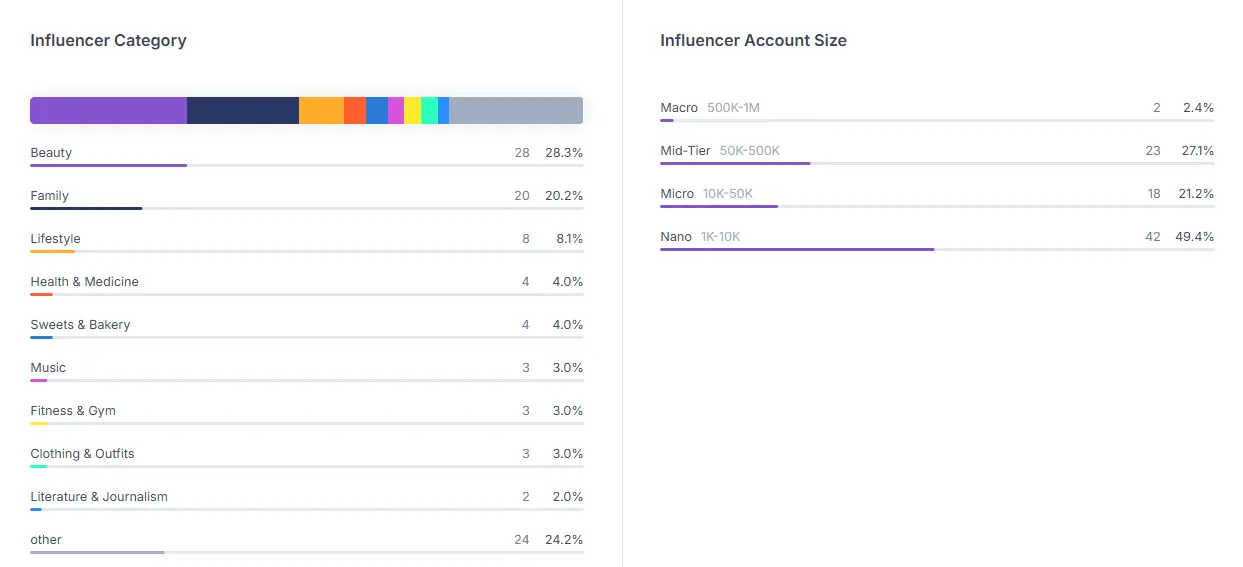
Together, those groups represented 70.6% of classified accounts. The distribution shows that Blissy's Instagram visibility extends well beyond large, established personalities.
Beauty and Family Creators Connect Blissy With Different Occasions
Beauty creators represented 28.3% of the reported account categories, followed by family creators at 20.2%.
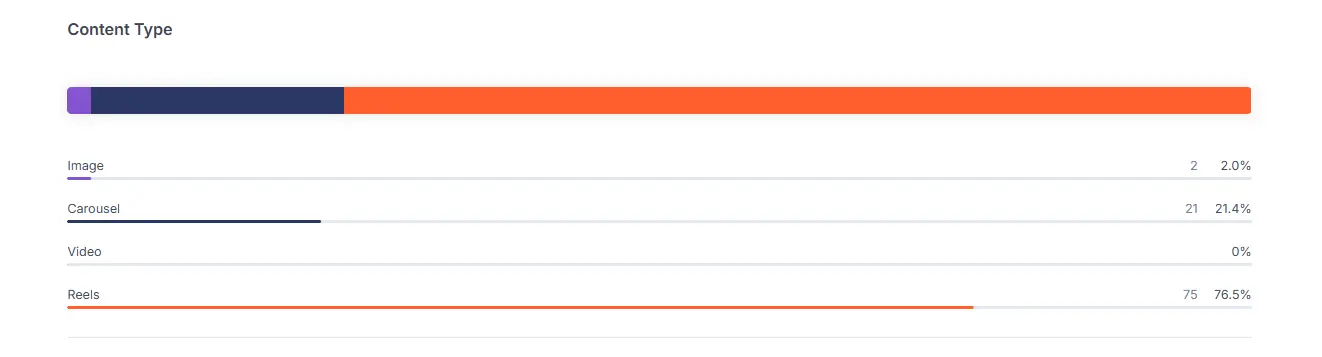
Reels accounted for 76.5% of tracked content.
A Mother's Day promotion by Erica Marques included Blissy alongside skincare and wellness brands in a BabbleBoxx campaign.
Another collaboration brought Blissy together with The Earthling Co. and Canopy for a summer haircare giveaway featuring silk pillowcases and complementary haircare products.
Both examples placed Blissy within a wider self-care experience rather than presenting the pillowcase as an isolated purchase.
Instagram Engagement Shows a More Mixed Picture
The analysis also reveals limitations to Blissy's Instagram performance. HypeAuditor reported a 0.92% average campaign engagement rate, classified as low, and found that 64% of sponsored posts performed below their creators' usual engagement rates.
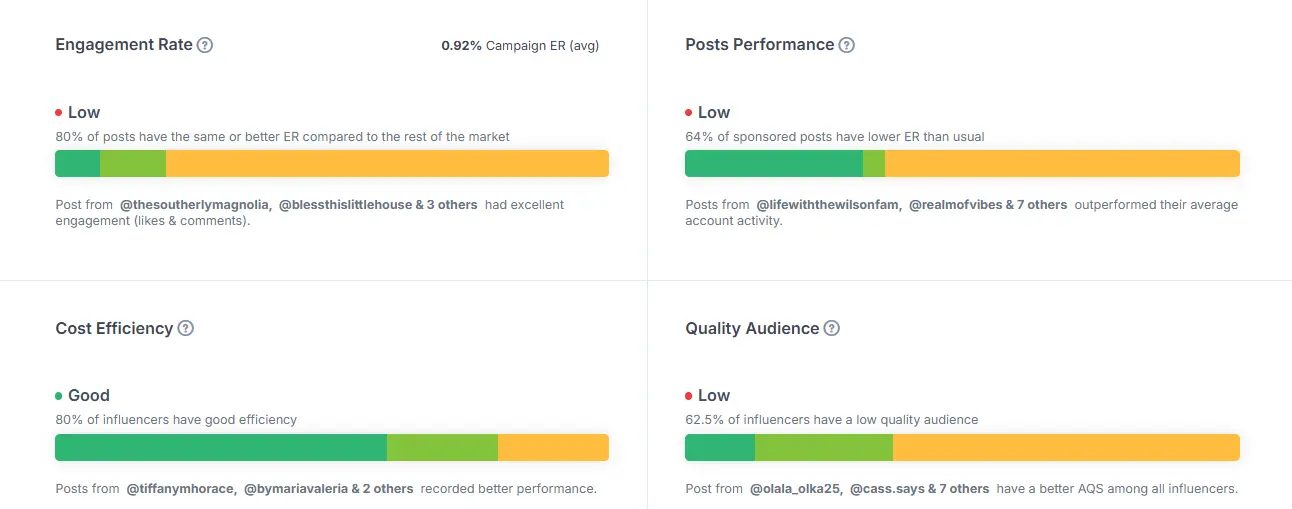
The platform also identified low audience-quality scores among 62.5% of evaluated influencers. These findings suggest that visibility doesn't necessarily translate into consistently strong engagement.
Blissy's Instagram network demonstrates activity across relevant consumer categories, but the figures alone cannot determine campaign profitability or customer acquisition effectiveness.
What Blissy's Growth Strategy Reveals
Blissy's development shows how a familiar product can become commercially distinctive when a brand changes the context in which consumers evaluate it. The company's early success was built around explaining why silk pillowcases deserved a place in beauty routines. Educational advertising and retail distribution helped communicate that proposition.
Creator marketing extended the same message into more personal settings. Haircare demonstrations, affiliate promotions, and TikTok Shop merchandising connected product education with purchasing opportunities.
Accessories, gifting programs, and licensed collections subsequently created additional reasons to discover the brand. Our HypeAuditor analysis confirms a varied Instagram creator ecosystem, although its engagement findings also demonstrate the limits of visibility as a measure of success.
Blissy's defining strength is the consistency of its positioning. Across advertising, creator partnerships, retail, and product expansion, silk remains connected to the beauty and sleep routines customers already recognize.

SUGGESTED

How Cozy Earth Turned Product Recommendations Into a Luxury Brand
Discover how Cozy Earth used Oprah's endorsements influencer marketing and customer...

TikTok Is Now the #1 Platform for Beauty Influencer Marketing
Beauty influencer marketing benchmarks across TikTok and Instagram with engagement rates...

How GIMME Beauty Built Its Creator Strategy Around Product Proof
See how GIMME Beauty built a creator strategy around product proof hair-type marketing...