Reactive SEO, despite being the norm, won't cut it anymore as we see more and more AI involvement in the search engine space. Consumer preferences and search engine algorithms are shifting at unprecedented rates, which means you can only keep up by staying a step ahead.
- 1. Semrush
- 2. Surfer SEO
- 3. MarketMuse
- 4. Alli AI
- 5. BrightEdge
- 6. Diib
- 7. Frase
- 8. MarketBrew
- Compare and Contrast: Evaluating Predictive SEO Features at a Glance
- Key Considerations for Choosing the Right Predictive SEO Tool
- Tailoring Predictive SEO: Strategies for eCommerce, SaaS, Local Markets and More
- Get Smart Results With Predictive SEO Tools
- Frequently Asked Questions
Predictive SEO helps you do just that. AI tools have already shown positive SEO results for over 49% of businesses. Those specializing in predictive SEO can further amplify this impact by combining the efficiency of AI with the proactiveness of predictive analysis.
However, a common issue you may face is that words like "predictive SEO" have become buzzwords, and many tools are marketed as being AI and predictive SEO-based when they are not. Then, there's concern regarding the validity of the recommendations or claims an AI tool may make.
Lucky for you, we've put together a list of the best AI-assisted predictive SEO tools. We also explain how to use them well in different industries.
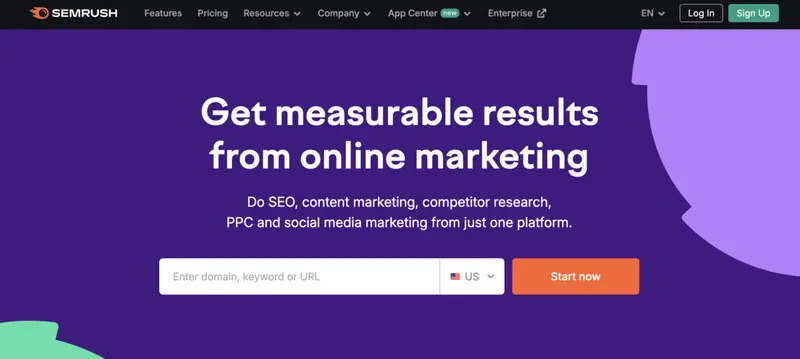
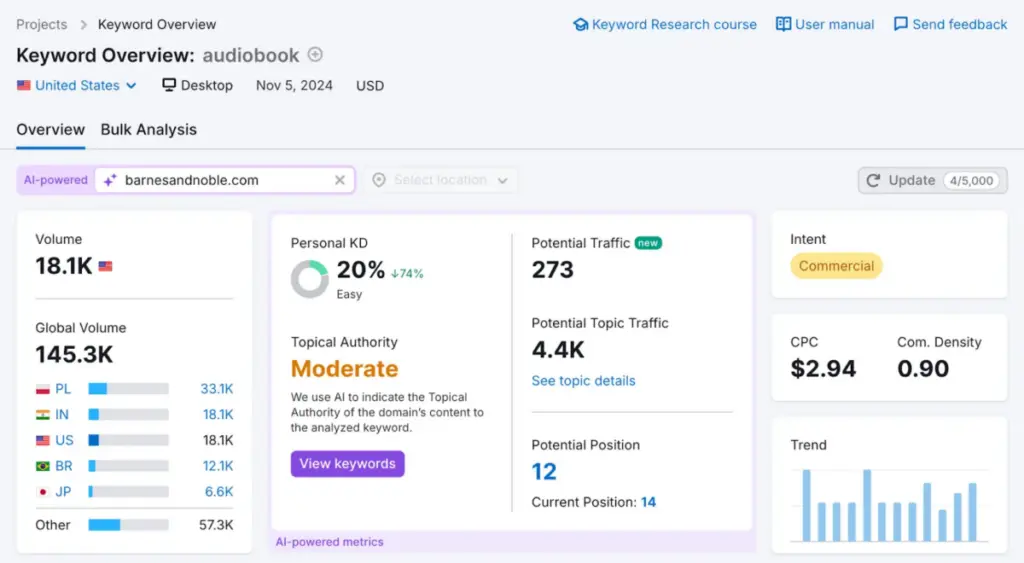
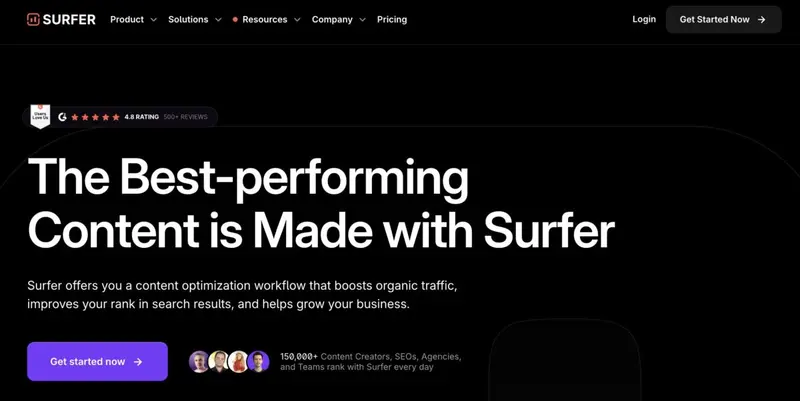
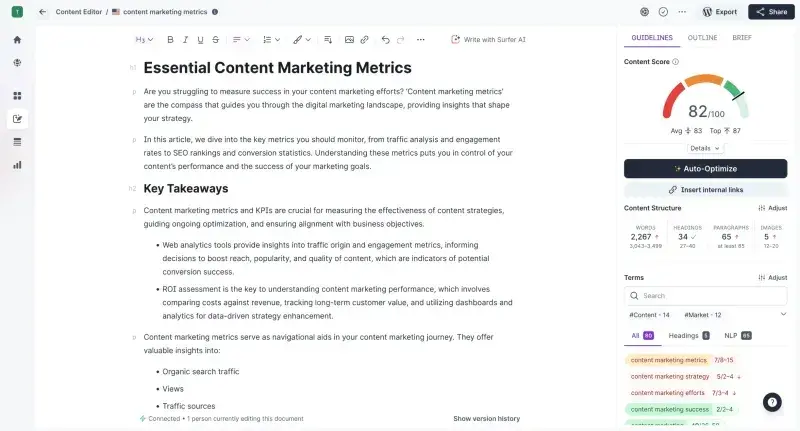
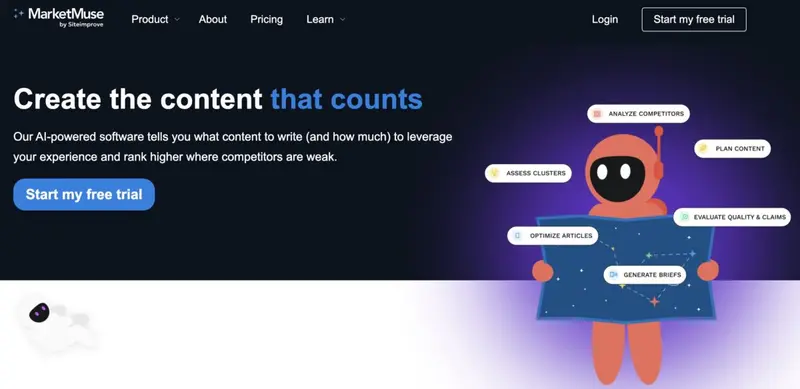
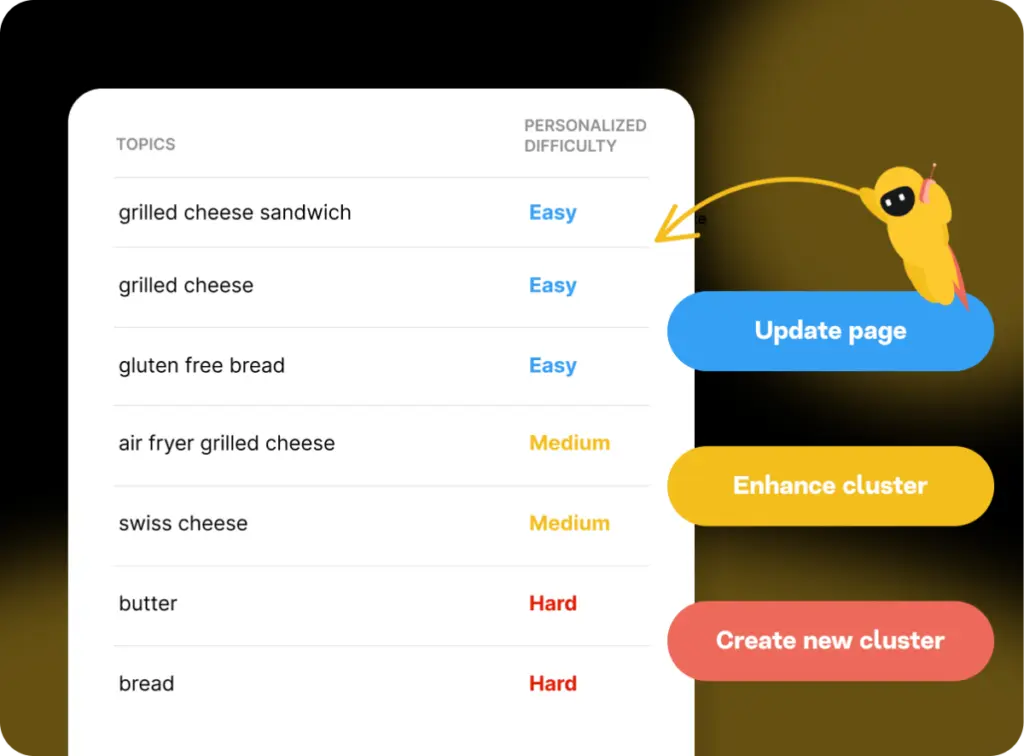
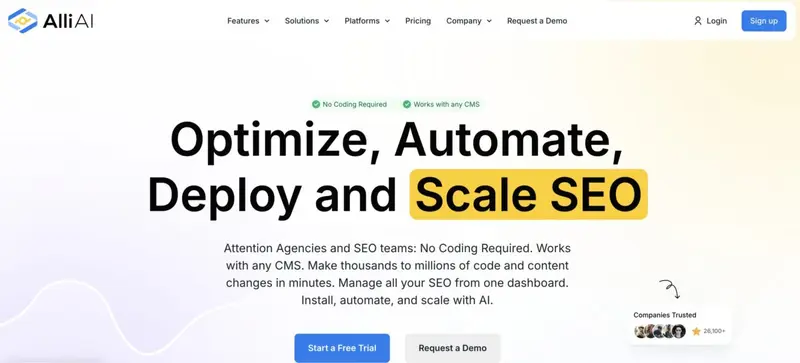
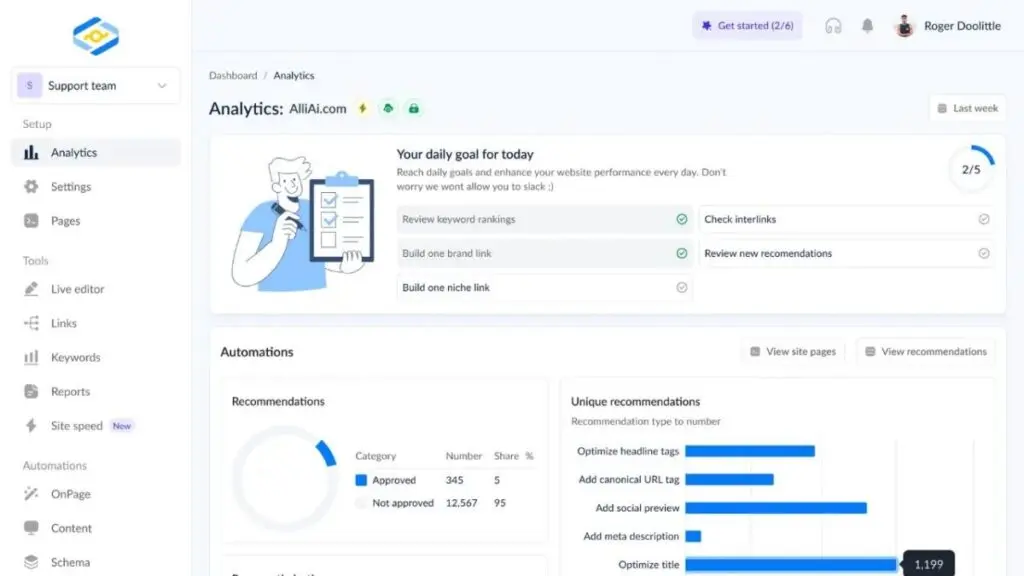
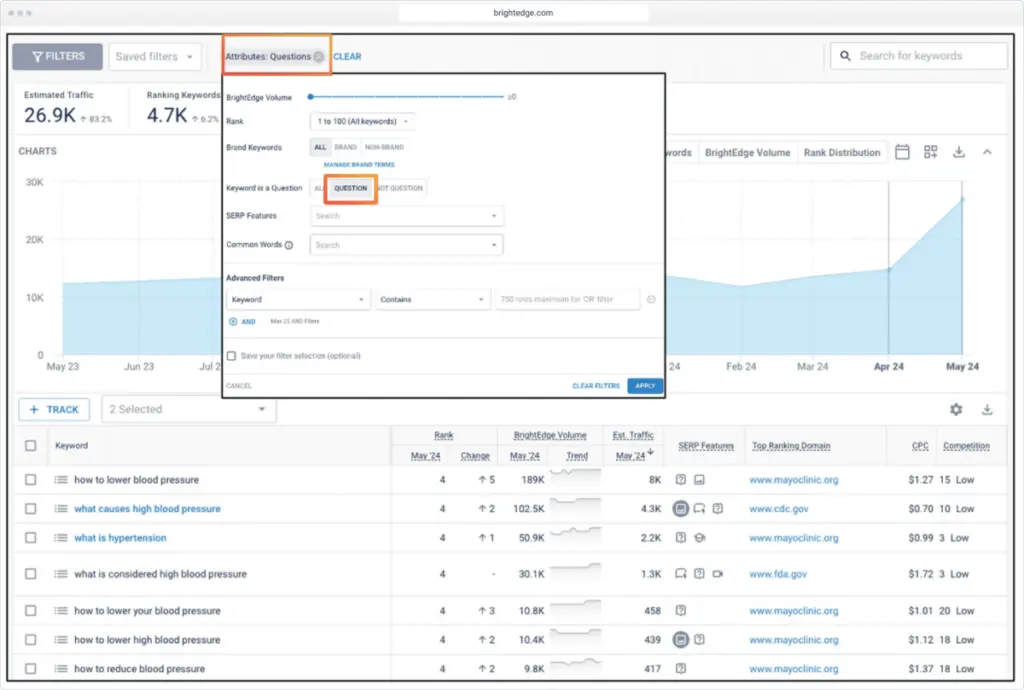
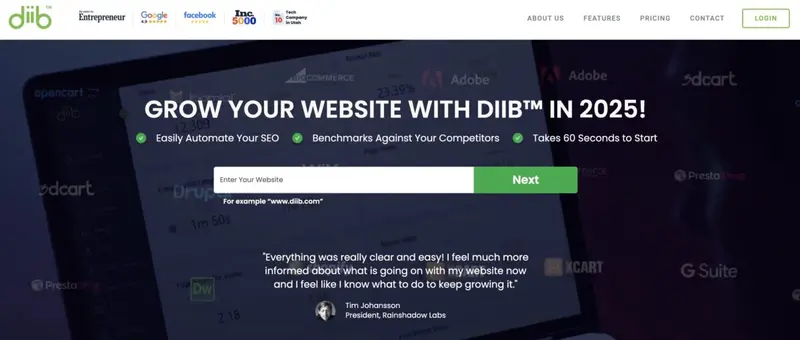
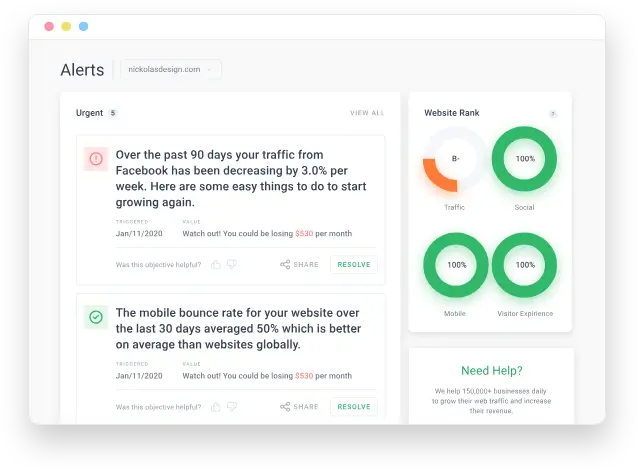
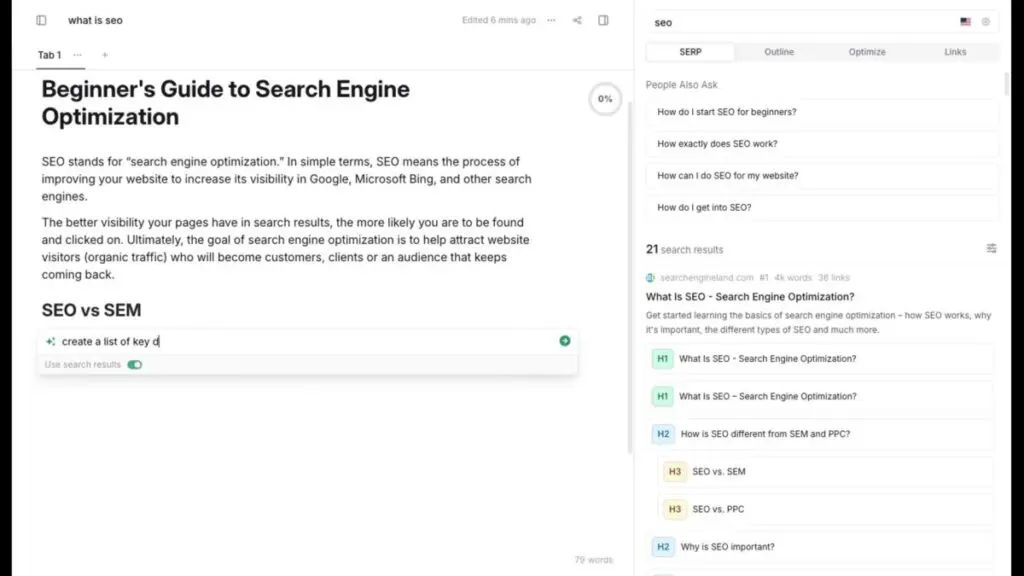
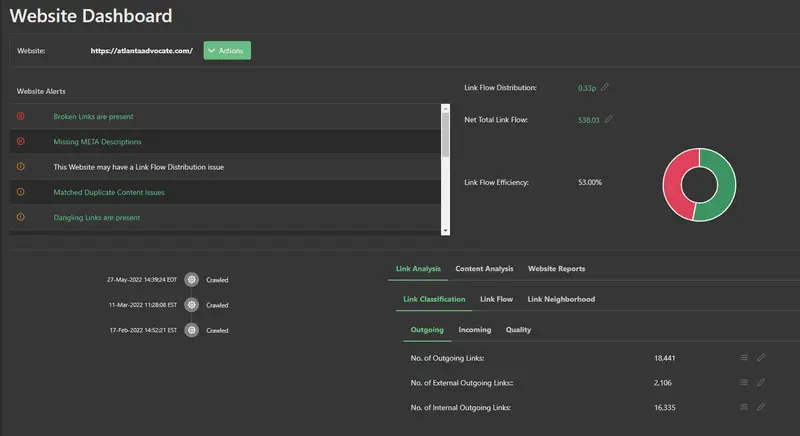
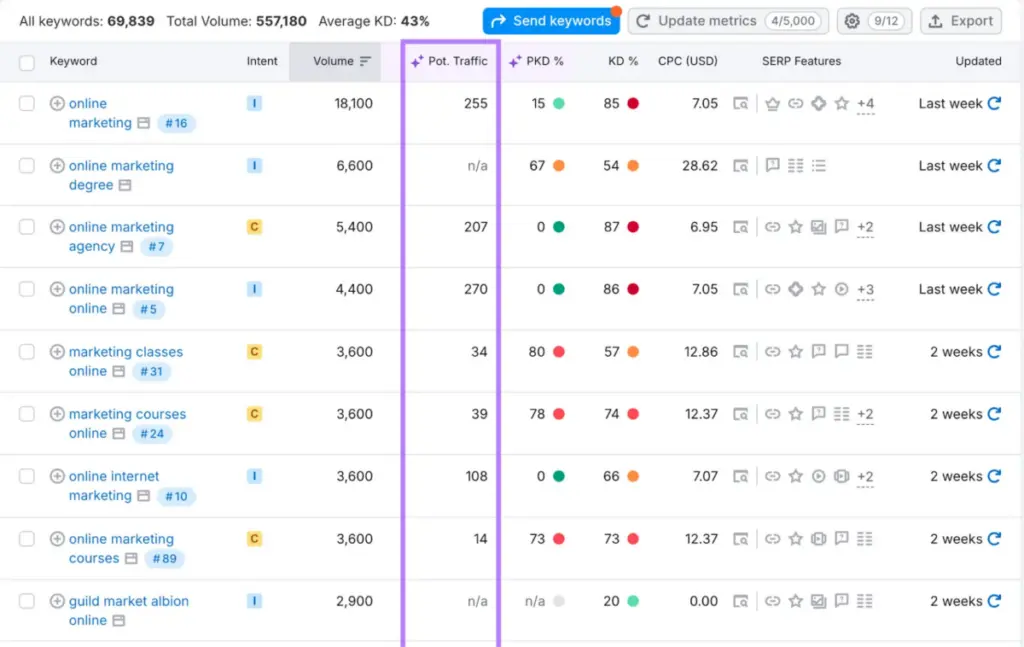
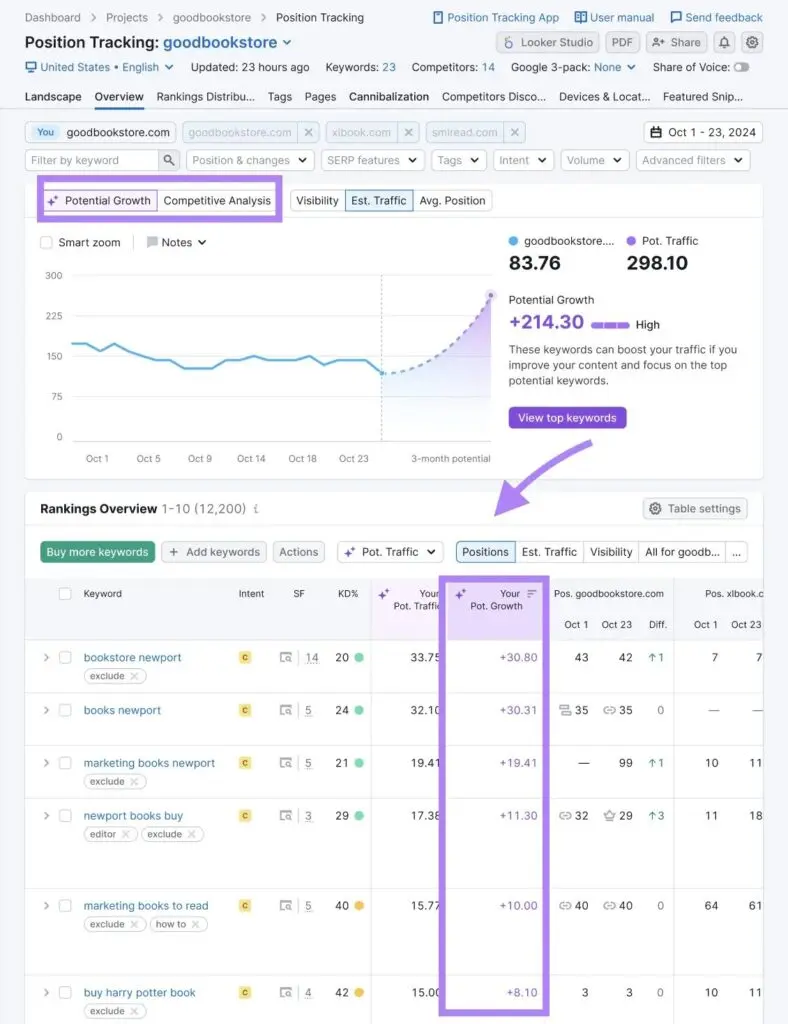
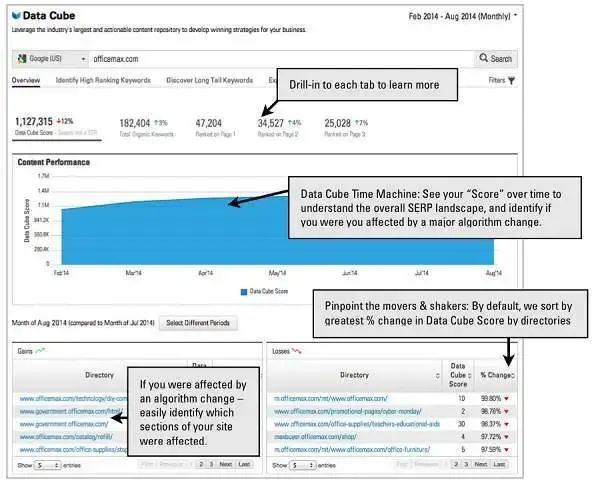
Semrush has long been a trusted player in the SEO world. It has kept up with times to provide predictive SEO features that many of its competitors still lack. Of these, traffic predictions in the Keyword Overview tool are the most notable. When you search for a seed keyword, you can see the following predictions about it: Surfer SEO is a content optimization tool that analyzes the top results for your keyword and predicts a score that indicates how well your content will rank based on specific keyword optimizations. You can see this prediction happening in real time as the score changes with your use of SEO elements like keywords, headings, alt attributes, and images. Since its predictive SEO is limited to content marketing, Surfer SEO is an excellent solution for content-driven sites. Its predicted score gives you an idea of how you stack up against the competition and what areas require further optimization. Plus, you get to see how certain improvements will impact your chances of ranking. Where Surfer SEO Falls Short Like Surfer SEO, MarketMuse is also an AI-powered content software that predicts the likelihood of content cluster performance. The tool’s AI analyzes your content inventory to identify potential high-value topical clusters that can help you rank higher in search results. These predictions are based on your site’s topical authority and the strength of your competition. In addition, the tool also predicts how easy or hard it would be for you to rank for a topic. These predictive insights help you make informed decisions about which topics to spend your time and effort on. Alli AI is another well-known SEO tool that uses AI to analyze your site’s content and provide recommendations for improvement. The tool’s AI Agent is its predictive SEO feature, which uses machine learning algorithms to understand the current market dynamics and your business goals to forecast which SEO strategies will work best for your website. It takes predictive SEO a step further by offering autonomous implementation. Simply put, the tool not only recommends SEO strategies but also executes them for you. This way, as its predictions change, so does your website’s optimization, keeping your site updated at all times. BrightEdge is a comprehensive SEO tool that offers both on-page and off-page optimization features. Its predictive SEO side comes from Data Cube, a vast repository of consumer and market data, which the tool combines with its AI algorithms and an AI assistant to provide SEO forecasts and track your website’s performance. Data Cube uses big data analysis to reveal market trends, insights, and demands for specific keywords. It also accounts for algorithm updates to predict which SEO steps will be most effective based on the data in its repository. Diib is designed to automate SEO through predictive analysis and competitor insights. Its most notable offering is the Answer Engine, which uses search engine analytics in combination with data from your website and competitors to predict SEO tactics for online growth. If you want the Answer Engine to work 24/7 to help you optimize your website, the Growth Plan is the way to go. It’s Diib’s comprehensive solution that uses a blend of data and predictive insights to identify keyword opportunities for your website. Frase is an AI SEO optimization tool that content and SEO teams can use to predict the effectiveness and visibility of their content. It uses machine learning algorithms to analyze your content and provides recommendations for improvements by incorporating SEO elements like images, links, headings, and keywords. The tool uses its predictive analytics to give your content a score that’s a measure of how likely it is to rank in the SERPs. Since the score changes in real time as you make content improvements, you can see the impact of your changes on your content’s visibility. MarketBrew is a specialized AI predictive SEO solution that’s used mainly for enterprise-level SEO optimization. It’s designed to help large businesses with high-traffic websites predict and optimize their organic search performance. The tool uses AI to simulate the Google algorithm and predict how changes to your content and website will impact your search visibility. You can also pair the platform with genetic algorithms to find statistical gaps between the outperformers and your landing pages on any SERP. 1. Semrush
2. Surfer SEO
3. MarketMuse
4. Alli AI
5. BrightEdge
6. Diib
7. Frase
8. MarketBrew
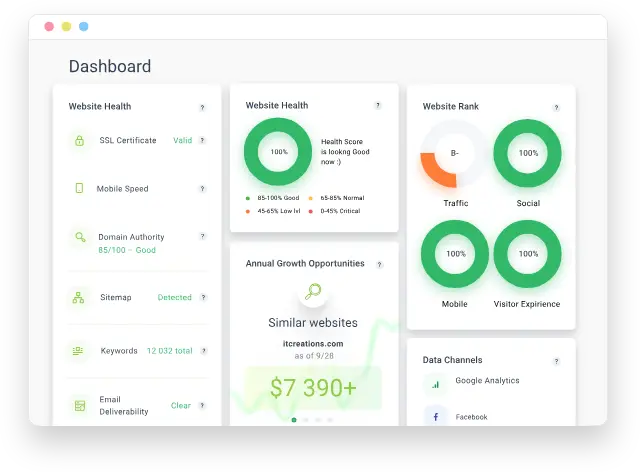
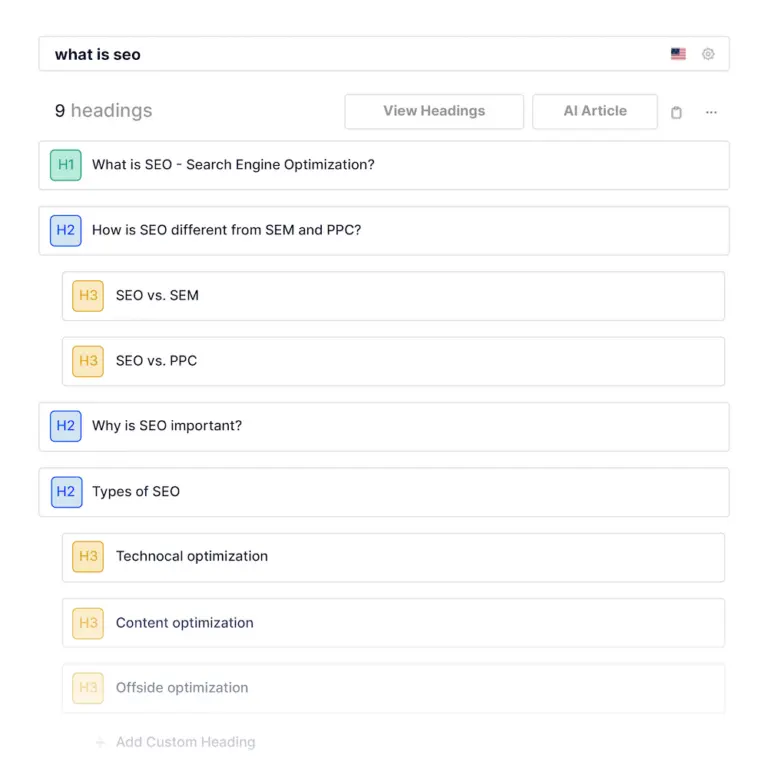
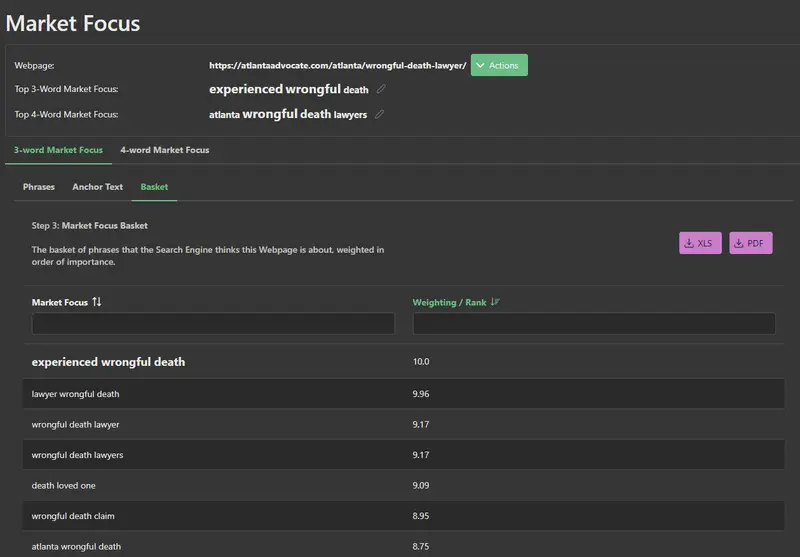
Compare and Contrast: Evaluating Predictive SEO Features at a Glance
Each of the predictive SEO tools mentioned above has its own unique features and key strengths. Some are more suitable for enterprises, while others are better for small businesses and individual users. The table below shows you a quick comparison of these tools.
Tool Predictive Feature Primary Strength Cost Tier Ideal Use Case Semrush Trend analysis, forecasting model Traffic and ranking analysis Intermediate Businesses of all sizes Surfer SEO Forecasting model Content analysis Entry-level Content-driven websites MarketMuse Forecasting model Content analysis Enterprise-level Agencies and enterprises with multi-site strategies Alli AI Forecasting model Content and on-page SEO analysis Enterprise-level Large businesses, enterprises, and agencies BrightEdge Trend analysis, forecasting model Trend analysis Intermediate to enterprise-level Agencies and enterprises Diib Forecasting model Website growth and keyword analysis Entry-level Small businesses and solo users Frase Forecasting model Content analysis Entry-level to intermediate Small to mid-level businesses and marketing teams MarketBrew Simulation model Ranking analysis Enterprise-level Large businesses and enterprises
Key Considerations for Choosing the Right Predictive SEO Tool
The tool you choose for predictive SEO primarily depends on your SEO challenges. For example, do you want to get content-based recommendations to maximize your SERP ranking? In that case, MarketMuse and Frase are good options. Surfer SEO is also up there with them.
However, if your primary use case is trend analysis, you should opt for Semrush. Similarly, BrightEdge is best for extensive data-driven recommendations, while MarketBrew is a good option if you want to simulate changes before implementing them.
The key is to first make sure that the tool you've selected resolves your main challenge. Then, you can go on to look at additional features like user-friendliness, team collaboration options, SEO knowledge required, and pricing.
We'd also advise going for tools that give you the option to test drive them, whether through a freemium model or a free trial. For example, Semrush has a 7-day free trial during which you can explore all its AI predictive SEO features before committing to the paid version.
Over time, your SEO needs will likely increase, especially if you're a growing business or a small agency planning to scale. So, you need a tool that can scale with you. This way, the time and effort you've put into learning and integrating the tool into your workflow don't go to waste as you switch to a more advanced tool.
Tailoring Predictive SEO: Strategies for eCommerce, SaaS, Local Markets and More
The way you use predictive SEO in your campaigns will depend on your niche. Some industries, such as eCommerce and SaaS, need to keep a continuous eye on consumer and market trends. Similarly, local markets and brick-and-mortar businesses need to focus on targeting their specific geographic location.
Here's how different businesses can go about using predictive SEO.
eCommerce
eCommerce businesses have to account for factors like seasonal trends and consumer behavior while building their SEO strategy. They can use predictive SEO to forecast the keywords that will be high in demand at a certain time during the year. Content-based predictive SEO can also help them determine the best way to optimize their product descriptions and titles.
For example, Rocky Brands, Inc used BrightEdge’s Data Cube to optimize page titles and descriptions for their three eCommerce brands. They also used keyword research forecasting to determine which terms to target for each page, based on competitor research. The company saw a 30% increase in organic search revenue and an average new user lift of 13.3% across its three brands.
As an eCommerce business, you can also base your inventory planning on your predictive SEO findings. For example, if you find that a certain item or category is popular during a specific time of the year, you can stock up on it in advance to meet the demand.
SaaS
SaaS is one of those fields that's currently very dynamic as new developments are taking place almost every other day. These businesses can use predictive SEO to find keywords and topics that are likely to rank in the near future and then build their content strategy accordingly to outrank competitors.
Flowrite, a Finnish AI startup, does just that. They use a blend of Semrush and Google Search Console to identify search trends that meet their audience's pain points. Then, they create content to help solve these problems for their consumers.
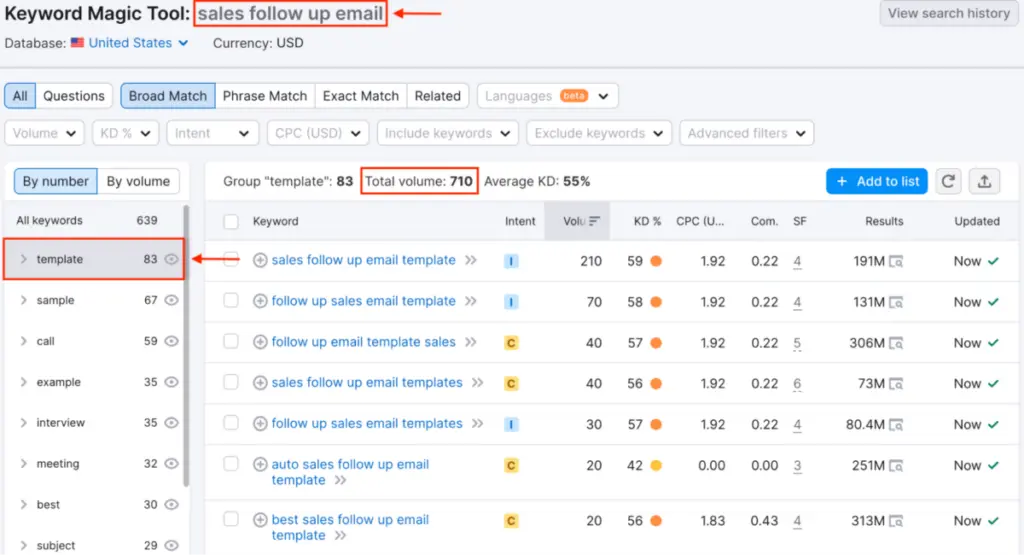
The Semrush Keyword Magic Tool shows them everything from user intent to Personal Keyword Difficulty % (how hard it is for a specific website to rank for a specific keyword). Based on this information, the company then selects high-converting keywords. The approach has helped them receive a million monthly visitors.
Similarly, V2 Cloud, a SaaS virtual desktop provider, used Surfer SEO to update existing articles and create new content using the tool's AI-assisted auto-optimization and keyword recommendations. The company used SurferSEO's predictive content ranking scoring to decide which content to post, resulting in an increase in lead profiles and traffic.
SaaS businesses can also use predictive insights to get content inspiration for their online or in-person webinars and conferences. They may also use this content as their lead magnets to catalyze customer journeys.
Local Service Businesses
Local businesses can identify surges in service demand with predictive insights from keyword research. Service industries like plumbing, roofing, and HVAC can track location-based keywords to know when seasonal demands will rise or drop in a particular area.
Many predictive SEO tools now also forecast results for ''near me'' searches and voice-based searches. They can give you an idea of when these long-tail and local-intent-optimized keywords will have the most searches and visibility so that you can optimize for them in time.
Stick Shift Driving Academy, a driving school, used MarketMuse to predict the efficiency of their content based on the tool's predictive scoring model. They also used the tool to get insights for topical coverage so that they could reach a larger local audience, especially people who are using voice assistants and long-tail queries. MarketMuse's use resulted in a 120% increase in inbound calls and a 72% increase in organic traffic.
To make a similar approach work for your business, it's important that you adapt your predictive SEO tool's forecasting model to your industry and audience. Also, when using trend analysis and ranking forecasts, use relevant predictive data for each stage of the marketing funnel.
For example, the SaaS lead magnets we mentioned earlier are top-of-funnel content. In the retention stage, you should use your predictive SEO tool to research potential queries or issues that your customers may have before they churn.
Get Smart Results With Predictive SEO Tools
Be it Semrush or BrightEdge, the tools we've discussed are all extremely advanced in their predictive SEO capabilities. However, how beneficial they are to you will depend on your business needs and how well you use them.
Take inspiration from the case studies mentioned above to gauge how predictive SEO may fit into your overall strategy. Most importantly, don't take the predictions and forecasts as absolute truths. Use them as a guide instead. Human insights and data from other tools like Google Analytics should also be a part of your decision-making process.
Frequently Asked Questions
What exactly is predictive SEO, and how does it differ from traditional SEO?
Predictive SEO uses data and AI to forecast trends, keywords, search behaviors, and content needs before they happen. In contrast, traditional SEO focuses on optimizing for current search demand.
How reliable are AI-powered SEO tools for forecasting keyword trends and ranking potential?
AI-powered SEO tools are pretty reliable when used right. They analyze tons of data fast, spotting patterns and predicting trends better than humans can. But you should still use them alongside your insights and market knowledge since they're not 100% accurate.
Which AI SEO tools offer the most accurate predictions for organic traffic growth?
SEMrush's Position Tracking tool is top-notch for organic traffic predictions. It shows you the predicted potential traffic for your keywords over the next three months. You can also use the Keyword Overview tool to see forecasts on potential topic traffic.
Are there any free (or low-cost) AI SEO solutions that still provide predictive insights?
Diib is a budget-friendly option that offers predictive insights, helping you spot growth opportunities and track performance. SurferSEO also has affordable plans that focus on content optimization and data-driven recommendations.
How do I integrate predictive SEO tools into my current marketing tech stack without disrupting existing workflows?
It's best to start small. Choose a predictive SEO tool that complements your existing tools, like Semrush or SurferSEO. Most integrate easily with platforms like Google Analytics or CMS systems. Use their insights to enhance current strategies instead of overhauling everything. Gradually align workflows to avoid overwhelming your team.
Can AI SEO tools really help with voice search and "near me" queries for local businesses?
Any keyword predictive AI tool can assist with "near me" and voice search queries for your local business. For example, Keyword Overview can show you whether optimizing for these keywords will improve your SERP ranking and how much traffic it will bring to your site.
What are the best practices to ensure AI-driven recommendations remain aligned with user intent?
Always cross-check AI suggestions with actual user behavior and feedback. Use tools like heatmaps or surveys to validate intent. Also, review analytics regularly to see if AI-driven changes are meeting user needs.
Do predictive SEO tools require coding or advanced technical knowledge to set up?
Not at all. Most predictive SEO tools, like Semrush and Diib, are super user-friendly with intuitive dashboards. You don't need coding skills; just basic SEO knowledge to understand and apply the insights.
Which type of businesses benefit the most from predictive SEO?
eCommerce and SaaS businesses can benefit a lot from predictive SEO. If your business is content-driven, it will also benefit from AI tools that can optimize your content for better ranking and user experience. Local businesses, especially those focused on location-based searches, can also use predictive insights to adjust strategies before market shifts happen.
What's the difference between AI-powered keyword research and regular keyword research tools?
Regular keyword research tools only show you current search volume and competition with limited foresight. In contrast, AI-powered keyword research tools can also predict trends and analyze user intent. They also show personalized information, such as the Personal Keyword Difficulty % in Semrush Keyword Magic Tool.


