
When Bachan’s reached grocery shelves in 2019, it entered a crowded sauce category with a product many shoppers had never encountered. Japanese barbecue sauce was thinner than the American barbecue sauces beside it, the name needed explaining, and the company was still packing orders with help from the founder’s family.
Six years later, Bachan’s generated approximately $87 million in annual net sales. Its bottles appeared across creator recipes, retailer exclusives, restaurant collaborations, and a national campaign built around the famous red octopus.
Owner Justin Gill protected the qualities that made his family’s sauce distinctive. Creators then showed shoppers what it could do across hundreds of meals. As distribution widened, Bachan’s added flavors, recipes, and partnerships while keeping the Original recognizable.
- How Justin Gill Turned a Family Recipe Into Bachan’s
- How Bachan’s Spent Six Years Developing Its Japanese Barbecue Sauce
- How Bachan’s Positioned and Explained Japanese Barbecue Sauce
- Inside Bachan’s Creator Marketing Strategy on TikTok and Instagram
- How Bachan’s Turned Fan Recipes Into Retail Collaborations
- How New Flavors and 350+ Recipes Expand Bachan’s Product Use Cases
- How Bachan’s Turned Fan Recipes Into Retail Collaborations
- How “Look for the Octopus” Is Building Bachan’s Brand Recognition
- What the $400 Million Marzetti Acquisition Means for Bachan’s
- Key Lessons From Bachan’s Marketing Strategy
How Justin Gill Turned a Family Recipe Into Bachan’s
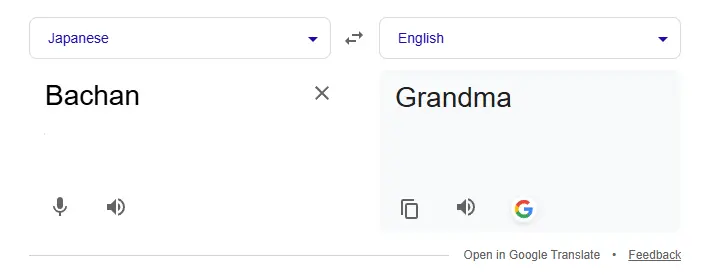
Bachan means grandmother in Japanese, and the company’s name refers to Gill’s bachan, Judy Yokoyama.
Born in Sebastopol, California, in 1936, Judy experienced a two-year displacement in a Japanese internment camp. Bachan’s explains that shared meals helped keep her family connected. She later passed the sauce recipe to Gill and his parents, along with the Japanese American traditions carried through their cooking.
Gill grew up on the same property as his grandparents and regularly ate meals with them. His first evidence that the sauce could become a product came through his family’s landscaping business. Each holiday season, the family made a large batch, filled bottles by hand, and gave them to customers.
Those customers returned with empty bottles. Some visited the landscaping office looking for refills, while others asked to buy more or purchase the recipe.
People remembered the sauce, finished it, and took action to get it again. Gill could see demand before he had packaging, retail distribution, or a marketing campaign. Commercializing the recipe, however, proved far more difficult.
How Bachan’s Spent Six Years Developing Its Japanese Barbecue Sauce
Gill began working on Bachan’s in 2013. Industry contacts warned him that barbecue sauce was crowded and slow-moving. Manufacturers also encouraged him to pasteurize the recipe, add water, or adjust it toward products shoppers already understood.
Those changes affected the flavor. Gill, who had studied science, researched acidity, shelf stability, and cold filling. He worked through 49 iterations before reaching a version he believed could preserve the recipe’s character at commercial scale.
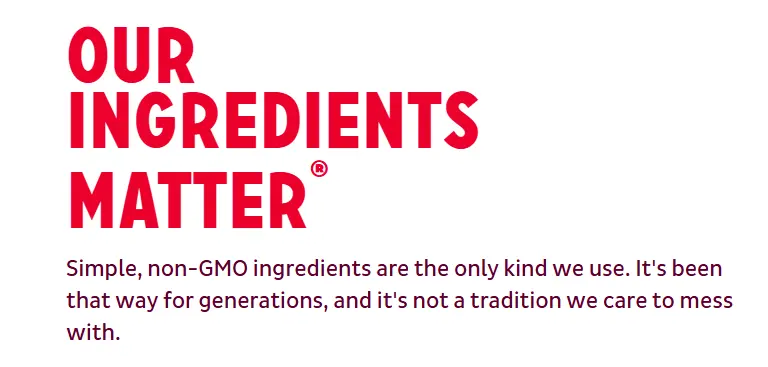
Cold filling became one of Bachan’s strongest product claims. The process allowed the company to make its sauces without preservatives, artificial additives, or additional flavorings. The ingredient list provided further proof: traditionally brewed non-GMO soy sauce, Japanese mirin, organic garlic, ginger, green onion, and organic rice vinegar.
The positioning became sharper after a co-packer told Gill that his ingredients mattered less than the amount he could spend on marketing. Bachan’s turned that dismissal into “Our Ingredients Matter,” a mission statement that connects the family recipe to specific production choices.
During a family heritage trip to Cambodia and Japan in 2017, Gill received an octopus tattoo from artist Ganji at Tokyo Three Tides. The image helped inspire Octo, the red mascot that would eventually become a central part of the brand’s packaging and advertising.
When Bachan’s launched in 2019, the operation was still intensely personal. Gill, his wife Chanra, their children, his mother, and his in-laws helped pack products and manage the warehouse. Local markets, restaurants, butchers, and cooks became early customers and product-development sounding boards.
Gill initially handled sales, finance, operations, and distribution himself. The first person he hired with direct food and CPG experience was Mike Keefer, who helped secure some of Bachan’s earliest distribution and later led its natural-channel sales.
The six-year process gave Bachan’s a product story grounded in decisions consumers could taste and creators could demonstrate.
How Bachan’s Positioned and Explained Japanese Barbecue Sauce
“Japanese barbecue sauce” gave Bachan’s an ownable position, but it also created questions. Was it teriyaki? Was it soy sauce? Why did it pour differently from American barbecue sauce?
Creator content repeatedly answers those questions. Bachan’s is soy-based, with mirin, ginger, garlic, green onion, and a balance of sweetness and umami. Its thinner texture lets it coat and marinate proteins, reduce into a glossy glaze, mix through fried rice, or finish a cooked dish.
@michael.tchao #ad WHAT IS BACHAN’S JAPANESE BARBECUE SAUCE? It’s a soy-based BBQ sauce that’s thinner, more versatile, and built around umami. You can use it to marinate, grill, drizzle & more… it just works on everything! Next time you’re at the store, look for the octopus @trybachans
That difference became a reliable content format. Creators explain the thinner texture, show it caramelizing, and demonstrate how one bottle replaces several ingredients. A point of potential confusion becomes product education with a visible payoff.
Early Instagram advertising introduced Bachan’s outside its local community. Creator recipes then gave the category practical meaning. Shoppers could watch someone turn chicken, rice, and vegetables into dinner in 20 minutes.
The need for education also shaped the packaging.
Gill explained that the term “Japanese Barbecue Sauce” deliberately held the most prominent position on the original label. Once the category had gained recognition, a 2025 redesign brought Bachan’s forward, refreshed Octo, and made flavor names easier to find. The sequence shows how the brand first explained the product, then increased the visibility of its own distinctive assets.
Inside Bachan’s Creator Marketing Strategy on TikTok and Instagram
On TikTok, Bachan’s tends to enter the story through the meal problem rather than a formal product introduction. A busy parent wants dinner to feel more considered. A home cook needs to make meal prep less repetitive. Other creators promise a 15-minute curry, a 20-minute stir-fry, or a better batch of fried rice built around one “secret ingredient.”
The hook is the outcome: a faster meal, more flavor, or an easier cooking process. Bachan’s appears as the practical shortcut that helps the creator deliver it.
@porterroadbutcher @Bachan’s Japanese BBQ Chicken Skewers🔥🔥🔥 @James The Butcher #bbqchicken #easydinner #pastureraised
The dish changes while the product’s role stays consistent. Bachan’s supplies several flavor components at once and reduces the work required to produce a satisfying result.
Creators use it on steak bites, salmon bowls, ramen eggs, mac and cheese, pork jerky, Thanksgiving leftovers, and pupusas. The applications move between Japanese cooking, American barbecue, Latin American dishes, and everyday family meals.
That range lets creators retain their own identity. A grilling specialist can focus on caramelization. A parent can emphasize freezer prep and speed. A Japanese food creator can explain gyudon or musubi. A taste-test account can compare Yuzu Citrus, Miso, Roasted Garlic, and Hot Honey.
Bachan’s own social posts extend that approach by spotlighting the people behind the food. Its feature on Dayne Weaver connected Sweet Honey Korean short ribs with the years he spent turning backyard grilling into Dayne’s Craft Barbecue, ranked seventh on Texas Monthly’s 2025 list. The product appears inside a credible cooking story instead of displacing it.
How Bachan’s Turned Fan Recipes Into Retail Collaborations
Bachan’s Instagram footprint is distributed across many smaller creators rather than concentrated in a few celebrity accounts. That gives the brand something large endorsements often struggle to produce: repeated evidence that the sauce fits into ordinary cooking.
We used HypeAuditor to monitor Bachan’s mentions from leading accounts and came to the conclusion that nano and micro creators accounted for 68.8% of the total accounts that posted about the brand organically.
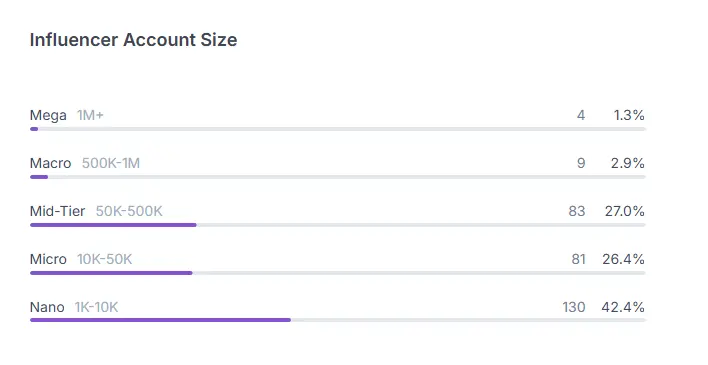
These creators place Bachan’s inside meal prep, family dinners, grilling sessions, and recipes they would plausibly make anyway. That frequency helps position the sauce as a product people keep in the kitchen rather than one they encounter only through campaigns.
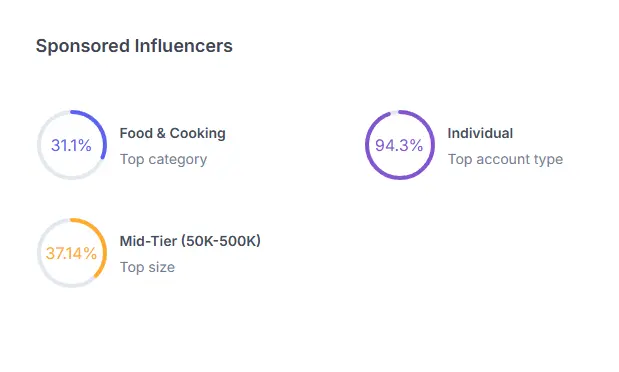
Paid activity appears to serve a different role. Mid-tier creators formed the largest group within sponsored posts, giving Bachan’s access to greater reach without making major celebrity partnerships the center of its social presence. Food and cooking influencers, obviously, are the target creators for paid partnerships.
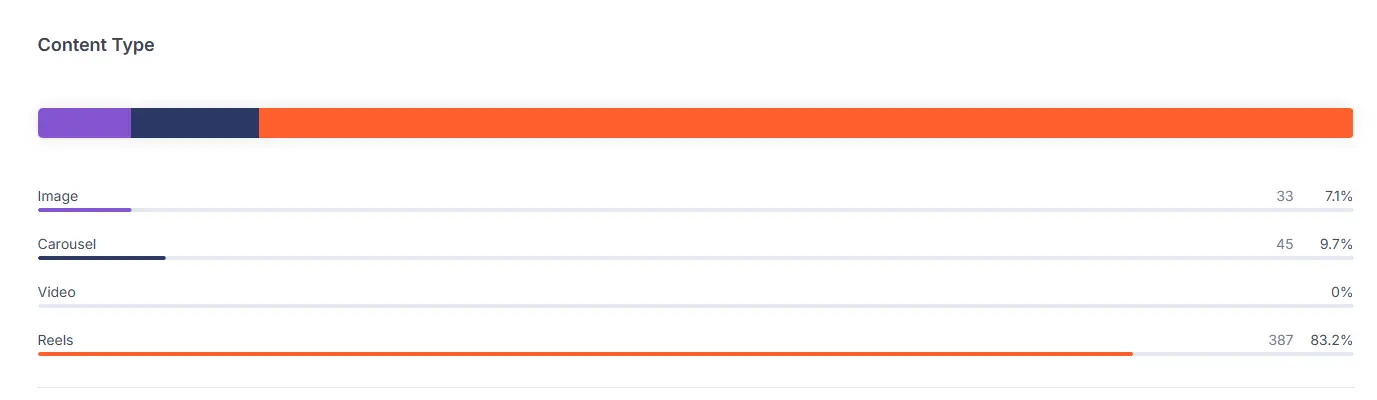
The format also matches the product. Reels represented 83.2% of mentions, which matters because Bachan’s benefits from demonstration. Viewers can see the sauce pour, coat meat, reduce in a pan, caramelize on a grill, and change the finished dish. A static product shot would communicate far less.
Bachan’s is also willing to deepen relationships after a creator has already demonstrated audience interest. One creator said her chicken teriyaki video reached approximately 2.2 million views before the brand contacted her and sent a year’s supply of sauces.
@lostwithsimone Thank you @Bachan’s #japanesebbqsauce
While one example cannot confirm a company-wide process, it shows the value of watching organic content for creators and recipes that are already working.
The resulting creator system serves three purposes.
- Smaller accounts produce volume and everyday credibility
- Mid-tier partners add targeted reach
- Strong organic posts reveal which recipes, creators, and product messages deserve further support
How New Flavors and 350+ Recipes Expand Bachan’s Product Use Cases
Bachan’s flavor expansion gives the brand a way to produce new content and encourage repeat purchases without moving away from the product that established it.
The Original remains the entry point, supported by a strong customer rating. The company has since expanded into dozens of Japanese barbecue sauce flavors, including thicker sesame-based dipping sauces.
Each flavor changes the creative question. Yuzu Citrus invites creators to describe an unfamiliar citrus note. Hella Hot creates a heat test. Roasted Garlic allows for comparisons with the Original. The dipping range introduces a thicker texture and shifts the product from cooking ingredient to table condiment.
@carlacharisse YES CHEF 🫡 easy quick meal using @Bachan’s yuzu citrus bbq sauce to enhance my veggie meal!! literal chef’s kiss 😮💨💋👩🏼🍳 #justaddbachans #easy30minutemeals #cheapeasyquickmeals #easyplantbasedmeals #vegetarianeasymeals #easymealsforcouples #healthyeasymeals #easyweeklymeals
These variations keep taste tests, retailer discoveries, comparisons, and recipe videos fresh while retaining the same bottle shape, Japanese barbecue positioning, and core umami profile. Bachan’s can refresh the content without repeatedly introducing an entirely new product concept.
The company’s library of more than 350 recipes extends that effect. It places Bachan’s inside karaage, gyudon, and miso salmon, then carries it into tacos, burgers, pizza, holiday leftovers, and chicken and waffles. This breadth teaches customers that finishing one recipe does not exhaust the product’s usefulness.
“Marinate, dip, drizzle” condenses the library into three repeatable behaviors. Those instructions help customers use the sauce more frequently, while mix-and-match offers, a half-gallon bottle, and occasion-based gift boxes turn that increased usage into larger or repeat orders.
For creators, the same system supplies a steady flow of content ideas.
@winnyhayes Chicken Fried Rice with Japanese Barbecue Sauce Chicken: 1 lb chicken breast cut into bite sized pieces 1/4 cup Bachan Japanese Barbecue Sauce 1 teaspoon garlic powder Fried Rice: 2 tablespoons oil 2 garlic cloves 2 green onion stalks, sliced and separated 1 cup broccoli florets 1/4 cup frozen peas 1/4 cup frozen corn 2 cups cold rice 2 tablespoons Japanese BBQ sauce or to taste 1 teaspoon sesame oil Fried egg, optional Instructions: 1. Combine the ingredients for the chicken and refrigerate overnight. I also prepped the garlic, green onion and broccoli the night before. 2. Into a hot wok or skillet, add the oil and cook the chicken for about 5-6 minutes. Add the minced garlic and the white part of the scallion. Stir to combine. Add the broccoli and a splash of water. Cover and let cook on medium heat for 2-3 minutes. 3. Add the frozen peas, corn and rice. Add the barbecue sauce on top and toss to combine. Taste and adjust as needed. Add more sauce if necessary. 4. Remove from heat and add the sliced green onion and sesame oil. Serve with a fried egg on top (optional) and enjoy! Thermos and lunchboxes @Bentgo #lunchideas #friedrice #schoollunch #lunchboxinspo #lunchboxideas #bentgo #whatsinyourbentgo
For Bachan’s, it increases the number of meals, occasions, and flavors associated with the brand.
How Bachan’s Turned Fan Recipes Into Retail Collaborations
Bachan’s has used customer behavior on social media as a signal for where the brand can expand next.
The SPAM collaboration provides the clearest example. Consumers had been combining Bachan’s and SPAM in musubi, fried rice, ramen, and other recipes for years. Bachan’s said it kept seeing those combinations online before the brands made the pairing official.
@kendrick.bbq Smoked Spam 🤤 @Bachan’s x @SPAM®️ Brand . . #kendrickbbq #spam #bbq @Traeger Grills
In March 2026, that existing behavior became SPAM Japanese Barbecue Sauce Flavored, a limited-edition product sold exclusively through Walmart. Bachan’s described the release as “one fan-driven idea.”
The important point is that Bachan’s did not need to invent a use case for the collaboration. Consumers had already supplied the recipes, cultural context, and social proof. The commercial product packaged an established behavior in a form that required little additional explanation.
Other collaborations follow a similar pattern. Bachan’s Original appeared in Laoban Dumplings’ Taiwanese-style popcorn chicken at Whole Foods. Nissin then released three Top Ramen varieties featuring Original, Sweet & Spicy, and Roasted Garlic.
The Hissho Sushi partnership extended a behavior already associated with the sauce: using Bachan’s as a dip, drizzle, and alternative to soy sauce. The resulting Spicy Tuna Burrito placed the Original inside a ready-to-eat meal available at more than 2,200 grocery locations.
These partnerships translate familiar uses into new retail formats. They also introduce Bachan’s outside the condiment aisle, allowing consumers to encounter the flavor through prepared sushi, frozen food, ramen, and canned meat.
How “Look for the Octopus” Is Building Bachan’s Brand Recognition
Creator content helped Bachan’s explain what Japanese barbecue sauce was and how to use it. By 2026, the brand faced a different marketing task: making sure shoppers remembered which Japanese barbecue sauce to buy.
Octo provided the answer. The red octopus had appeared on every Bachan’s bottle since launch, and customers were already using it to locate the product on shelves.
In March 2026, Bachan’s turned that behavior into “Look for the Octopus,” its largest paid campaign to date. Streaming TV, paid social, and digital video presented Octo as a character associated with food, family, and togetherness.
@trybachans For years people have called us “the octopus sauce.” So we finally made it official. Introducing: Look For The Octopus. Our biggest campaign in history 🐙
The campaign gave paid media a role distinct from creator content. Creators demonstrated the product and supplied meal ideas. The “Look for the Octopus” campaign concentrated on brand recognition and shelf recall.
That division makes the wider strategy more efficient. Creator content answers, “What can I make with this?” Octo answers, “Which bottle should I look for?”
The mascot can also travel as the company expands. It already connects packaging, advertising, merchandise, retail displays, Gill’s love of the ocean, and the family trip that inspired the original logo. Bachan’s can add products and enter new categories while keeping the same visual cue in front of customers.
What the $400 Million Marzetti Acquisition Means for Bachan’s
By 2025, Bachan’s had reached approximately $87 million in annual net sales. The Marzetti Company completed its acquisition of the business for $400 million on May 1, 2026.
The deal gives Bachan’s access to wider retail and foodservice distribution, more supply-chain capacity, and a parent company experienced in taking sauce brands into new products and channels. Reaching more customers should become easier.
Preserving the reason those customers chose Bachan’s will be harder.
The brand built its position around a multigenerational family recipe, carefully sourced ingredients, cold filling, and minimal processing. Those qualities helped separate Bachan’s from larger, more conventional condiment manufacturers. Ownership by one of those manufacturers naturally raises questions about whether the same standards will survive at a greater scale.
One particular TikTok stands out with its analysis of why the acquisitions actually harms the Bachan brand and the reputation it had built with customers.
@zephzoid This is one of the most disappointing buy outs we have ever seen. Bachans was built on a multi-generational family recipe, non-GMO ingredients, and a cold-fill small-batch production process. They are now in the hands of a publicly owned 130-year-old specialty food manufacturer whose core competency includes producing licensed sauces at scale for • Chick-fil-A • Buffalo Wild Wings • Arby’s • Subway • Texas Roadhouse • Olive Garden The name “Bachan” is actually a term of affection in Japanese-American culture for grandmother. It was fitting as a small independent brand, but now it is owned by the same company manufacturing sauces for fast food companies. We have seen a concerning pattern over the years with reformulation after Big Food buys a mission-driven brand. Just recently: Annie’s → Sold to General Mills, changes recipe Cholula → Sold to McCormick, swaps for cheaper fillers The three principal levers that erode clean-label products are Ingredient substitution: Organic → conventional premium → commodity whole → powder/extract Process change: Cold-fill → hot-fill small-batch → continuous industrial preservative-free → preserved Volume dilution: • adding water • reducing premium ingredient percentages while maintaining label order You are going to want to monitor Bachan closely and preferably find a smaller independent alternative. This is why knowing who owns your food is some important.
Bachan’s addressed that concern directly on LinkedIn. The company told followers that its family recipe and product quality would remain unchanged, while Marzetti would provide the resources needed to grow faster.
With that said, Bachan’s continues to promote the same clean ingredients and cold-fill process, with no announced reformulation. The next phase of the brand’s story will depend on whether those commitments remain visible as distribution and product development accelerate.
Key Lessons From Bachan’s Marketing Strategy
Bachan’s built its social visibility by giving creators a product with a clear difference and many practical uses. The sauce always brought the same core promise, but creators could express it through their own cuisines, audiences, and cooking styles.
That flexibility allowed smaller creators to normalize the product, mid-tier partners to extend its reach, and successful organic recipes to reveal new marketing and retail opportunities. Flavor extensions and hundreds of recipes kept the system active after the initial purchase. Octo then gave paid media a recognizable asset that could turn product familiarity into brand recall.
The lesson is that creator scale does not require every post to repeat the same execution. It requires a stable product truth that can survive many executions.
For Bachan’s, that truth is straightforward: one distinctive sauce can make a wide range of everyday meals easier and more flavorful. Everything else, from creator recipes to national advertising and retail collaborations, reinforces that idea.