How do you stay consistent on LinkedIn without spending hours posting manually? And which scheduling tools actually help you grow visibility without risking your account?
LinkedIn has evolved into one of the most important platforms for professionals, brands, and B2B marketers. With more than one billion users spread across over 200 countries and regions, competition for attention is higher than ever.
At the same time, engagement remains strong. Roughly 4 in 10 active users interact with LinkedIn pages every week through likes, comments, shares, or clicks, making consistent posting a real growth lever rather than a vanity metric.
As content volume increases, manual posting no longer scales. In 2026, successful LinkedIn strategies rely on scheduling tools that support native publishing, collaboration, analytics, and compliant automation. From solo creators building thought leadership to teams managing multiple company pages, the right tool can save time while improving reach and consistency.
This guide breaks down the 13 best LinkedIn scheduling tools for 2026, helping you choose the option that fits your workflow, goals, and budget.
Top LinkedIn Scheduling Tools Compared
Now it's time to dive into our in-depth look at 13 of the best LinkedIn scheduling tools around. These tools will help you automate your publishing so you can scale your LinkedIn content marketing efforts while still having time to make those oh-so-important connections on the platform.
1. Brandwatch Social Media Management
Best For: Mid to Large-sized Businesses
Primary Focus: A data-driven social media management platform that supports LinkedIn publishing alongside deep audience intelligence and performance measurement.
Pricing: Custom pricing designed for mid-market and enterprise teams rather than solo creators.
LinkedIn Scheduling: Supports scheduled posting to LinkedIn company pages with shared calendars, approval workflows, and campaign planning.
Brandwatch is not a lightweight LinkedIn scheduler. It is built for organizations that treat LinkedIn as a strategic channel for brand visibility, employer branding, and thought leadership at scale. LinkedIn scheduling is handled through a centralized calendar, making it easy for teams to plan, approve, and publish content consistently across multiple company pages.
Where Brandwatch stands out for LinkedIn is its analytics and listening depth. Teams can monitor brand mentions, sentiment, and industry conversations that influence LinkedIn performance, then use those insights to refine posting schedules and messaging.
The unified inbox also helps manage LinkedIn comments and engagement alongside other platforms, which is valuable for brands with high interaction volume.
That said, Brandwatch can feel excessive if your primary goal is simply scheduling posts. It does not cater to creator-style features such as personal profile scheduling or viral content prompts, and the onboarding process may feel heavy for small teams.
Pros
- Strong LinkedIn analytics and campaign planning
- Advanced social listening to inform content strategy
- Built for collaboration and approval workflows
Cons
- Overpowered for solo LinkedIn creators
- Reporting flexibility could be improved
Brandwatch is best suited for teams that view LinkedIn as a core strategic channel, not just a posting destination.
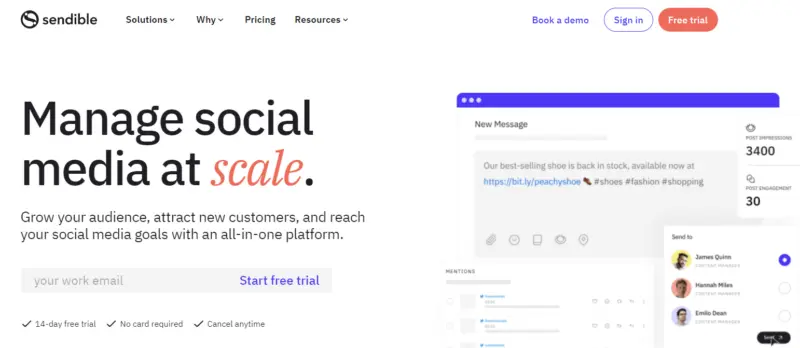
2. Sendible

Best For: Businesses of all sizes and agencies
Primary Focus: A multi-network social media management platform with robust LinkedIn scheduling, publishing, and engagement tools.
Pricing: Plans start at $29 per month, with higher tiers designed for growing teams and agencies.
LinkedIn Scheduling: Supports scheduling to LinkedIn personal profiles and company pages, with queues, bulk scheduling, and post previews.
Sendible is a well-balanced option for LinkedIn marketers who want dependable scheduling without the complexity or cost of enterprise platforms. It allows users to plan and publish LinkedIn posts individually, in bulk, or through evergreen queues, making it suitable for consistent thought leadership and campaign-driven posting.
One of Sendible’s strengths is its content creation workflow. Integrations with Canva, Dropbox, and Google Drive make it easy to design visuals and attach media directly to LinkedIn posts without switching tools.
Teams can collaborate on drafts, leave internal notes, and approve content before it goes live, which is especially useful for agencies managing multiple LinkedIn accounts.
Sendible also provides solid LinkedIn analytics, including post performance, engagement trends, and best times to publish. Its reporting tools are easy to use and customizable enough for client reporting or internal reviews. The unified inbox allows teams to monitor and reply to LinkedIn comments and messages from one place.
While onboarding can feel slightly clunky at first, the platform is regularly updated and backed by responsive support.
Pros
- Strong LinkedIn scheduling for profiles and pages
- Useful Canva and cloud storage integrations
- Excellent customer support
Cons
- Interface can feel busy for first-time users
- Not built for advanced enterprise analytics
Sendible is a strong choice for teams that want practical LinkedIn automation with collaboration and reporting, without enterprise-level complexity.
3. Loomly

Best For: Creators, Brands, Agencies, Marketing teams and solo freelancers, Franchises
Primary Focus: A brand success and content calendar platform built to streamline planning, publishing, and performance tracking across social channels, including LinkedIn.
Pricing: Plans start at $26 per month, scaling up for larger teams and enterprise needs.
LinkedIn Scheduling: Supports automated publishing to LinkedIn company pages with calendar-based planning, previews, and approval workflows.
Loomly began as a social media calendar and has evolved into a full workflow platform designed to reduce friction between planning, creation, and publishing. For LinkedIn teams, its strength lies in process and consistency rather than raw automation alone. Content is planned visually through a shared calendar, making it easy to coordinate campaigns, announcements, and thought leadership posts.
One standout feature for LinkedIn marketers is Loomly’s built-in post guidance. The platform suggests ideas based on trends, events, and best practices, helping teams optimize tone and structure before publishing. Automated previews ensure posts appear correctly on LinkedIn, while approval workflows allow managers and clients to review content before it goes live.
Loomly also includes analytics for tracking LinkedIn post performance and a community management system for responding to comments. However, it is less focused on advanced scheduling tactics or deep analytics compared to enterprise tools, and some users report minor usability issues with notifications and calendars.
Pros
- Strong collaboration and approval workflows
- Helpful content ideas and post guidance
- Good value for teams
Cons
- Calendar and notifications can feel inconsistent
- Limited advanced analytics for power users
Loomly is ideal for teams that prioritize organized LinkedIn content planning and collaboration over heavy automation or enterprise analytics.
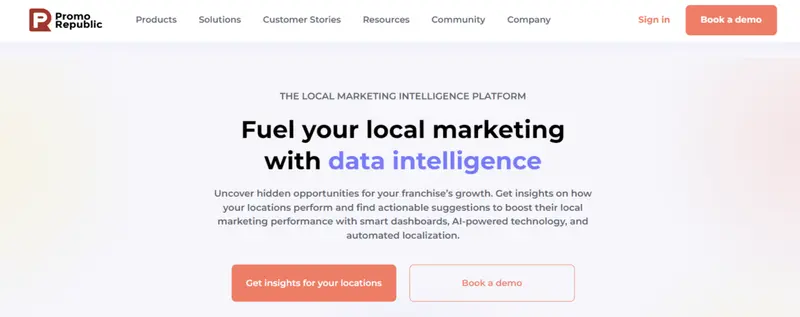
4. PromoRepublic

Best For: Small businesses, franchises, and agencies
Primary Focus: A design-forward social media management platform that blends content creation, scheduling, and collaboration, with strong support for LinkedIn.
Pricing: Plans start at $49 per month, with agency and multi-location options available.
LinkedIn Scheduling: Supports scheduling and publishing to LinkedIn business pages, with centralized calendars and AI-assisted timing recommendations.
PromoRepublic stands out as a LinkedIn scheduling tool by combining post design and publishing in one workflow. Instead of relying on external tools for visuals, users can design branded LinkedIn posts directly inside the platform using templates, fonts, banners, and image editing tools.
This makes it especially useful for businesses that need polished visuals without a dedicated design team.
For LinkedIn marketers, PromoRepublic offers AI-driven posting recommendations that suggest optimal publishing times based on content type and platform behavior. A shared content calendar makes it easy to plan campaigns, announcements, and evergreen posts, while collaboration features allow teams to comment, review, and align on messaging before posts go live.
PromoRepublic also supports managing multiple LinkedIn pages and synchronizing them with personal profiles, which is helpful for organizations running coordinated employee advocacy or multi-location strategies.
However, pricing tiers limit the number of accounts you can manage, and the lack of mobile publishing may be restrictive for teams that work on the go.
Pros
- Excellent built-in design and content creation tools
- Strong LinkedIn scheduling with smart timing suggestions
- Useful collaboration and brand management features
Cons
- Account limits depend on pricing tier
- No native mobile posting
PromoRepublic is a strong fit for teams that want LinkedIn scheduling tightly integrated with content creation and branding, rather than pure automation alone.
5. Agorapulse

Best For: Mid-sized agencies, mid-sized businesses and some enterprise brands
Primary Focus: A full-service social media management platform that emphasizes engagement workflows, publishing efficiency, and performance analytics across major networks, including LinkedIn.
Pricing: Plans start at $49 per month, with advanced tiers designed for larger teams and higher volumes.
LinkedIn Scheduling: Supports scheduled publishing to LinkedIn company pages, shared calendars, queue-based posting, and bulk uploads.
Agorapulse is particularly well-suited for LinkedIn teams that manage high engagement volume. Its unified inbox allows users to monitor and respond to LinkedIn comments, mentions, and ad comments from a single dashboard, reducing the risk of missed interactions. Automated inbox rules and labeling help keep conversations organized, which is valuable for brands running active LinkedIn campaigns.
On the publishing side, Agorapulse offers flexible scheduling options, including queues for recurring content, bulk uploads via CSV or RSS feeds, and collaborative approval workflows. Teams can preview LinkedIn posts before publishing and coordinate feedback directly within shared calendars.
Analytics is another strength. Agorapulse provides clear reporting on LinkedIn reach, engagement, follower growth, and content performance, with customizable reports suitable for internal reviews or client reporting. A mobile app also supports moderation and scheduling on the go.
While the platform is easy to use and visually clean, its search and discovery capabilities are more limited than enterprise tools, and it focuses more on execution than strategic listening.
Pros
- Excellent LinkedIn inbox and comment management
- Flexible scheduling and bulk publishing options
- Clear, client-ready reporting
Cons
- Limited advanced search and discovery features
- Less suited for deep social listening
Agorapulse is a strong choice for teams that prioritize LinkedIn engagement, publishing consistency, and measurable performance in one reliable platform.
6. HeyOrca

Best For: Agencies and teams
Primary Focus: A collaboration-first social media scheduling platform designed to simplify planning, approvals, and publishing across teams and clients.
Pricing: Plans start at $59 per month, with higher tiers offering expanded client and workflow support; Free plan available
LinkedIn Scheduling: Supports direct scheduling to LinkedIn company pages and personal profiles with visual calendars and approval workflows.
HeyOrca is built around one core idea: making social media collaboration clear, visual, and approval-friendly. For LinkedIn teams managing multiple stakeholders, it excels at turning scheduling into a transparent process rather than a back-and-forth over emails or documents.
LinkedIn posts are planned visually using shared calendars, allowing teams and clients to see exactly what is scheduled and when. Media assets are organized into client-specific libraries, which helps agencies maintain brand consistency across LinkedIn pages.
The approval system is one of HeyOrca’s strongest differentiators, enabling internal teams and external clients to review, comment on, and approve LinkedIn content before it goes live.
HeyOrca also offers unlimited users across plans, making it well-suited for agencies with large teams or frequent client collaboration. However, the platform is less focused on automation depth, advanced analytics, or bulk scheduling, which may limit appeal for solo creators or performance-driven marketers.
Pros
- Excellent collaboration and approval workflows
- Clean, visual interface ideal for LinkedIn planning
- Unlimited users support agency scale
Cons
- No bulk upload functionality
- Limited features for individual creators
HeyOrca is best for teams that prioritize clarity, collaboration, and client approvals in their LinkedIn scheduling workflow.
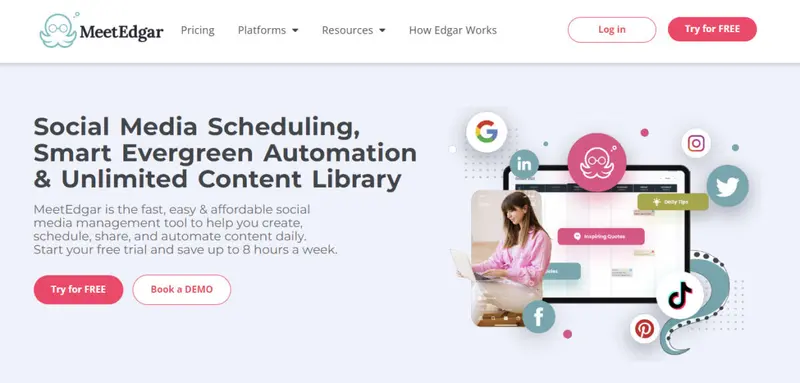
7. Meet Edgar

Best For: Businesses of all sizes
Primary Focus: An automation-first scheduling tool designed to continuously recycle and repurpose content across social platforms, including LinkedIn.
Pricing: Plans start at $24.91 per month, with a higher tier unlocking additional features and flexibility.
LinkedIn Scheduling: Supports scheduled posting to LinkedIn profiles and pages using recurring time slots and content categories.
MeetEdgar approaches LinkedIn scheduling differently from most tools on this list. Instead of focusing on inbox management, collaboration, or analytics depth, it centers on evergreen automation.
Users create a library of LinkedIn posts, organize them into categories, and assign those categories to repeating weekly schedules. Once set up, content is automatically reshared without ongoing manual scheduling.
This makes MeetEdgar especially useful for LinkedIn strategies built around long-lasting thought leadership, promotional posts, or educational content that remains relevant over time. The platform also allows users to generate variations of a single post, helping reduce repetition while keeping a consistent publishing cadence.
However, MeetEdgar is intentionally limited in scope. It does not include conversation management, comment replies, or advanced analytics, and post ordering relies on automated rotation rather than granular control. This means it works best as a background automation engine rather than a full LinkedIn management solution.
Pros
- Excellent evergreen and recurring post automation
- Simple setup for consistent LinkedIn posting
- Helpful content variation features
Cons
- No LinkedIn comment or inbox management
- Limited control over post sequencing
MeetEdgar is ideal for teams that want hands-off LinkedIn scheduling powered by evergreen content, not daily manual publishing or engagement workflows.
8. Meet Alfred

Best For: Sales teams, founders, and B2B marketers
Primary Focus: A LinkedIn-centric automation platform that blends content scheduling with multichannel lead generation and follow-up campaigns.
Pricing: Plans start at $39 per month, with higher tiers built for teams and enterprise outreach.
LinkedIn Scheduling: Supports planning and scheduling LinkedIn posts alongside automated connection requests, messages, and follow-ups.
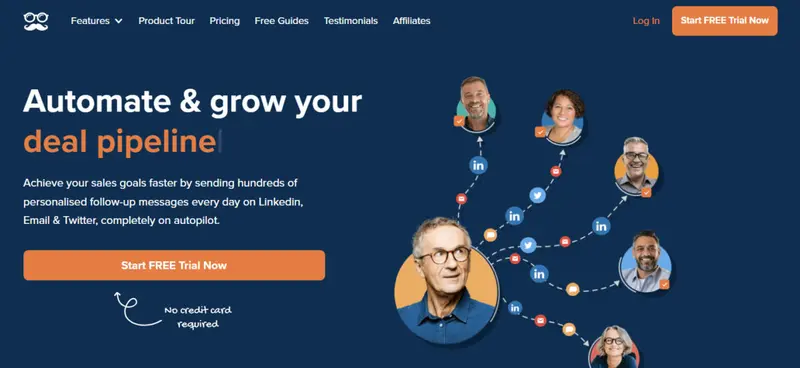
Meet Alfred is fundamentally different from traditional LinkedIn scheduling tools. While it does support content planning and post scheduling, its real strength lies in combining publishing with outbound LinkedIn automation.
The platform is designed for users who see LinkedIn as a revenue and lead generation channel rather than just a content distribution platform.
For LinkedIn marketers, Meet Alfred allows scheduled posts to run in parallel with automated campaigns that include profile visits, connection requests, messages, and follow-ups. These actions can be coordinated across LinkedIn, email, and Twitter, helping teams create more natural engagement sequences while reducing the risk of account flags.
Built-in task management also makes it easier to assign responsibilities and track outreach progress across team members.
Meet Alfred supports LinkedIn Basic, Premium, and Sales Navigator accounts, making it flexible for different sales setups. However, its analytics focus more on outreach performance than content engagement, and it lacks the deep content analytics or visual calendars found in traditional social media schedulers.
Pros
- Strong LinkedIn automation and outreach capabilities
- Supports multichannel prospecting campaigns
- Useful task and team management features
Cons
- Analytics are basic for content performance
- Limited customer support availability
Meet Alfred is best suited for users who want LinkedIn scheduling tightly integrated with lead generation and sales automation, rather than content marketing alone.
9. Sprout Social

Best For: Brands and Agencies of All Sizes
Primary Focus: An enterprise-grade social media management platform built around publishing, inbox management, analytics, and audience targeting across major networks, including LinkedIn.
Pricing: Plans start at $199 per month, positioning Sprout Social firmly for professional teams rather than solo users.
LinkedIn Scheduling: Supports scheduling and queuing posts to multiple LinkedIn company pages, with audience targeting and centralized publishing workflows.
Sprout Social is designed for organizations that treat LinkedIn as a core business channel rather than an auxiliary network. Its publishing experience allows teams to draft, schedule, and queue LinkedIn posts from a single interface, making it easy to maintain consistent posting across departments or regions.
One standout LinkedIn feature is audience targeting, which lets teams tailor company page posts by criteria such as job function, industry, or company size.
The Smart Inbox is Sprout Social’s strongest differentiator. It centralizes LinkedIn comments, mentions, and messages alongside other networks, with real-time collaboration indicators so teams can avoid duplicate responses. This is particularly valuable for brands managing high engagement volume or running paid LinkedIn campaigns that require timely replies.
Sprout Social also delivers strong LinkedIn analytics, covering engagement, reach, follower growth, and performance trends, with reports that are easy to share internally.
However, the platform’s pricing puts it out of reach for many small businesses, and its feature set may feel excessive if your main need is simple scheduling.
Pros
- Excellent LinkedIn publishing and audience targeting
- Best-in-class inbox and engagement workflows
- Polished onboarding and support
Cons
- High starting price
- Overkill for basic LinkedIn scheduling
Sprout Social is ideal for teams that need robust LinkedIn automation, engagement management, and reporting at scale.
10. Quuu

Best For: LinkedIn professionals and small teams who want to stay active by sharing curated, high-quality industry content with minimal effort.
Primary Focus: A content curation and promotion platform that helps users discover and schedule pre-vetted articles and insights across LinkedIn and other networks.
Pricing: Plans start at $19.79 per month when billed annually, making it one of the most affordable tools on this list.
LinkedIn Scheduling: Supports scheduling curated content to LinkedIn, either directly or through integrations with third-party scheduling tools.
Quuu approaches LinkedIn scheduling from a different angle. Rather than focusing on original content planning or advanced automation, it helps users fill their LinkedIn calendar with relevant third-party content that has been manually reviewed by Quuu’s editorial team.
This makes it useful for professionals who want to maintain visibility and thought leadership without constantly creating new posts.
For LinkedIn users, Quuu recommends articles based on selected topics and industries, allowing you to share content that aligns with your audience’s interests. Posts can be scheduled in advance, and Quuu integrates with popular tools like Buffer and HubSpot, making it easy to plug into an existing LinkedIn workflow.
Quuu also offers a content promotion feature that allows creators and brands to submit their own articles for distribution, helping increase reach through other users’ LinkedIn feeds. However, Quuu is not a full LinkedIn management platform. It lacks inbox management, analytics depth, and native content creation tools, and it works best as a supplement rather than a standalone scheduler.
Pros
- High-quality, hand-curated content for LinkedIn
- Extremely affordable entry point
- Saves time on content discovery
Cons
- Limited control over original content scheduling
- Not designed for engagement or analytics tracking
Quuu is best for users who want consistent LinkedIn activity through curated content, not full-scale scheduling or campaign management.
11. SocialPilot

Best For: Digital marketing agencies and SMBs
Primary Focus: A cost-effective social media scheduling platform built to manage high posting volumes across multiple networks, including LinkedIn.
Pricing: Plans start at $25 per month, with agency and white-label tiers available.
LinkedIn Scheduling: Supports native LinkedIn publishing, including carousel posts, bulk scheduling, and platform-specific post customization.
SocialPilot is positioned as a practical LinkedIn scheduling tool for teams that need scale without enterprise pricing. It allows users to group social accounts, making it easy to publish tailored LinkedIn posts alongside other networks while maintaining platform-specific formatting.
Native LinkedIn publishing, including carousel support, helps posts feel native rather than cross-posted.
One of SocialPilot’s strongest features is bulk scheduling. Teams can upload and schedule hundreds of LinkedIn posts in advance, which is ideal for campaigns, evergreen content libraries, or multi-client agency workflows. The visual calendar helps teams spot gaps and adjust timing, while approval workflows ensure content is reviewed before publishing.
SocialPilot also includes content discovery tools, RSS automation, and analytics to track LinkedIn performance over time. Mobile apps allow scheduling on the go, which adds flexibility for distributed teams.
That said, bulk scheduling reliability can occasionally be inconsistent, and customer support is not as responsive as higher-priced competitors. It also lacks advanced inbox and engagement features found in enterprise tools.
Pros
- Excellent value for LinkedIn scheduling at scale
- Native LinkedIn posting, including carousel support
- Strong bulk scheduling and calendar tools
Cons
- Bulk scheduling can occasionally fail
- Limited engagement and inbox management
SocialPilot is best for teams that want affordable, high-volume LinkedIn automation without paying enterprise-level prices.
12. Later

Best For: Businesses of all sizes
Primary Focus: A visual-first social media scheduling platform designed to simplify planning, publishing, and media management across major networks, including LinkedIn.
Pricing: Plans start at $18.75 per month, with higher tiers unlocking additional automation and collaboration features.
LinkedIn Scheduling: Supports scheduling posts to LinkedIn personal profiles and company pages, with visual previews and auto-publishing.
Later is built for teams that want LinkedIn scheduling to feel intuitive rather than operationally heavy. Its drag-and-drop calendar and visual previews make it easy to plan posts around campaigns, launches, or ongoing thought leadership without getting lost in settings or workflows.
This is especially helpful for brands that rely on images and video to stand out in the LinkedIn feed.
The platform includes a centralized media library where users can store, edit, and reuse images and videos for LinkedIn posts. Integrated editing tools allow quick adjustments without leaving the platform, while caption and hashtag suggestions help optimize reach. Auto-publishing ensures posts go live at scheduled times without manual intervention.
Later also offers a mobile app, making it easy to schedule or adjust LinkedIn content on the go. However, its analytics are more lightweight than those found in enterprise tools, and it does not offer advanced inbox management or approval workflows.
Pros
- Clean, visual planning experience for LinkedIn
- Built-in media editing and previews
- Easy to use for individuals and small teams
Cons
- Limited analytics depth
- Not built for complex collaboration or engagement management
Later is ideal for users who want simple, visually organized LinkedIn scheduling without enterprise-level complexity.
13. SocialBee

Best For: Creators, small teams, and growing businesses
Primary Focus: An all-in-one social media management platform that combines LinkedIn scheduling, content categorization, AI-assisted creation, and engagement management.
Pricing: Plans start at $29 per month, with higher tiers supporting larger teams and posting volumes.
LinkedIn Scheduling: Supports scheduling text, image, and video posts to LinkedIn pages and profiles, including first-comment scheduling and recurring content.
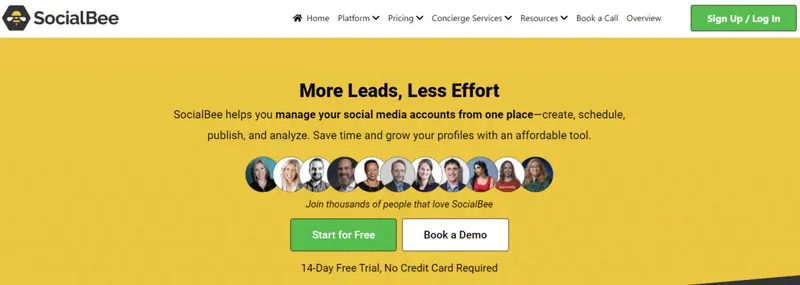
SocialBee is built around the idea that consistency drives LinkedIn growth. Instead of one-off scheduling, it encourages users to organize posts into categories and automate publishing through custom schedules. This makes it especially effective for thought leadership, educational content, and evergreen posts that can be reused over time.
One of SocialBee’s key differentiators for LinkedIn in 2026 is its AI-powered content generator, which helps users draft captions and variations without starting from scratch. The platform also allows scheduled first comments on LinkedIn posts, helping boost early engagement or add context without cluttering the main caption.
SocialBee includes a unified inbox for managing LinkedIn comments and mentions, along with analytics that track post performance and engagement trends. Integrations with tools like Canva and RSS feeds further streamline content creation and curation.
While the feature set is broad, new users may need some time to adapt to its workflow-heavy approach. It is less visually focused than tools like Later, but far more powerful for automation.
Pros
- Strong evergreen and category-based scheduling
- AI-assisted LinkedIn content creation
- Useful inbox and analytics features
Cons
- Initial learning curve for new users
- Interface favors functionality over visual planning
SocialBee is ideal for users who want long-term, automated LinkedIn content systems, not just basic post scheduling.
What to Look for in a LinkedIn Scheduling Tool
Not all LinkedIn scheduling tools are built with the same priorities. Some focus on automation at scale, others on collaboration, content quality, or sales outreach. Before choosing a tool, it’s important to understand what actually matters for LinkedIn in 2026, and what can quietly put your account at risk.
Below are the most important criteria to evaluate, with examples of where different tools excel.
Respects LinkedIn’s Platform Rules
The most important requirement is that a tool does not attempt to manipulate or game the LinkedIn algorithm. LinkedIn actively restricts automation that mimics human behavior, sends mass interactions, or artificially boosts engagement. Tools designed primarily for content scheduling and native publishing are generally safer than those built for aggressive outreach.
For example, platforms like Sprout Social, Agorapulse, and Loomly focus on compliant scheduling, engagement management, and analytics rather than algorithm manipulation. By contrast, outreach-heavy tools require more careful use and are best suited to sales workflows rather than content-first strategies.
Ease of Use and Workflow Fit
A LinkedIn scheduling tool should match how you actually work. If it feels complicated, slow, or cluttered, it will quickly be abandoned.
Visual planners like Later and collaboration-first tools like HeyOrca work well for teams that plan content visually or need approvals. Automation-focused tools like MeetEdgar or SocialBee are better for creators who want recurring, evergreen posting without daily manual work.
Always test the interface through a trial if available, and pay attention to how many clicks it takes to schedule, edit, or approve a LinkedIn post.
Support, Reliability, and Long-Term Use
Scheduling tools become part of your daily workflow, so reliable support matters more than flashy features. When posts fail, accounts disconnect, or permissions break, fast answers save time and stress.
Tools like Sendible and Sprout Social are known for structured onboarding and responsive support, which is especially important for agencies and teams managing multiple LinkedIn accounts.
In short, the best LinkedIn scheduling tool is not the one with the most features, but the one that fits your goals, respects LinkedIn’s rules, and reliably supports your workflow over time.
LinkedIn Scheduling Tools Comparison at a Glance
The table below helps you quickly compare the LinkedIn scheduling tools covered in this guide. It highlights pricing, core LinkedIn capabilities, workflow strengths, and who each platform is best suited for, so you can shortlist tools that match your goals.
|
Tool |
Pricing (Starting Tier) | LinkedIn Support | Scheduling Type | Collaboration & Approvals | Content Creation Support | Analytics Depth | Inbox & Engagement | Automation Risk Level |
Ideal User Type |
| Brandwatch | Custom | Company pages | Calendar, campaigns | Strong | Limited | Advanced | Yes | Low | Enterprise teams, agencies |
| Sendible | $29/month | Profiles and pages | Calendar, queues, bulk | Strong | Canva integration | Medium | Yes | Low | Agencies, consultants |
| Loomly | $26/month | Company pages | Calendar-based | Strong | Post ideas, guidance | Medium | Limited | Low | Marketing teams |
| PromoRepublic | $49/month | Company pages | Calendar, AI timing | Strong | Built-in design tools | Medium | No | Low | SMBs, franchises |
| Agorapulse | $49/month | Company pages | Calendar, queues, bulk | Strong | Limited | Medium to advanced | Yes | Low | Agencies, brands |
| HeyOrca | $59/month | Profiles and pages | Visual calendar | Very strong | Media libraries | Basic | No | Low | Agencies, client teams |
| MeetEdgar | $24.91/month | Profiles and pages | Evergreen queues | Limited | Post variations | Basic | No | Low | Solo creators, SMBs |
| Meet Alfred | $39/month | Profiles | Campaign-based | Medium | Templates | Basic | No | Medium | Sales teams |
| Sprout Social | $199/month | Company pages | Calendar, queues | Strong | Limited | Advanced | Yes | Low | Mid to large companies |
| Quuu | $19.79/month | Profiles | Scheduled curation | Limited | Curated content | None | No | Low | Professionals, SMBs |
| SocialPilot | $25/month | Company pages | Calendar, bulk | Medium | Content discovery | Medium | Limited | Low | SMBs, agencies |
| Later | $18.75/month | Profiles and pages | Visual calendar | Limited | Media editing | Basic | No | Low | Creators, small teams |
| SocialBee | $29/month | Profiles and pages | Categories, evergreen | Medium | AI content, Canva | Medium | Yes | Low | Creators, SMBs |
A Few More Things to Consider When Choosing a LinkedIn Scheduling Tool
Beyond core features like scheduling and analytics, choosing the right LinkedIn scheduling tool comes down to how well it fits your posting habits, goals, and resources. Asking the right questions upfront can help you avoid paying for features you will never use or choosing a tool that limits you as you grow.
How frequently do you plan to post on LinkedIn?
Posting volume matters more than it seems. If you publish occasionally, a simple visual planner may be enough. But if you post daily or manage multiple LinkedIn pages, you need a tool that can handle scale reliably.
Platforms like SocialPilot and MeetEdgar are better suited for high volume or evergreen posting, while tools like Later work well for lower frequency, visually planned content.
Do you need more than basic scheduling?
Some tools stop at publishing, while others support the entire content lifecycle. If you want help with post ideas, AI-assisted captions, or content reuse, tools such as SocialBee or PromoRepublic add value beyond scheduling alone.
For teams that care about approvals, workflows, and collaboration, platforms like HeyOrca and Loomly are better long-term fits.
Do you manage more than just LinkedIn?
If LinkedIn is part of a broader social strategy, choosing a multi-platform tool can save time. Tools such as Sendible and Agorapulse allow you to schedule, monitor, and report across multiple networks from one dashboard, reducing context switching.
What is your realistic budget?
Pricing varies widely, and a higher cost does not always mean a better fit. Enterprise tools like Sprout Social make sense only if you use their advanced analytics and inbox features. If not, mid-range or creator-focused tools may deliver better value.
The best LinkedIn scheduling tool is the one that aligns with how often you post, how you work, and how much complexity you actually need.
Choosing the Right LinkedIn Scheduling Tool for 2026
The best LinkedIn scheduling tool is not the one with the longest feature list, but the one that fits how you actually work. Some teams need collaboration and approvals, others prioritize analytics and inbox management, while many creators simply want reliable, compliant scheduling that saves time.
As this guide shows, LinkedIn tools now range from visual planners and evergreen automation platforms to enterprise-grade analytics suites and sales-driven automation tools. Each serves a different purpose, and choosing correctly comes down to posting frequency, team size, content strategy, and budget.
If LinkedIn is central to your brand, sales, or thought leadership strategy in 2026, investing in the right scheduling tool can improve consistency, reduce friction, and protect your account from risky automation.
Use the comparisons and reviews in this article to narrow your options, test a few tools, and commit to the one that supports your workflow long term.
Frequently Asked Questions
Are LinkedIn scheduling tools safe to use in 2026?
Yes, as long as they rely on native publishing and avoid aggressive automation, which is why many brands stick to approved LinkedIn posting tools that focus on scheduling rather than manipulation.
Can AI help write better LinkedIn posts, not just schedule them?
It can. Many creators now pair schedulers with AI post generators for LinkedIn to speed up ideation while keeping tone and structure aligned with the platform.
What metrics matter most when evaluating scheduled LinkedIn posts?
Beyond likes and comments, serious teams track profile visits, follower growth, and clicks using advanced LinkedIn post analytics to understand real business impact.
Do LinkedIn scheduling tools work for influencer or creator campaigns?
They do, especially in B2B contexts where coordinated posting supports initiatives like LinkedIn influencer gifting, helping brands time announcements and creator content effectively.
How does scheduling fit into a broader LinkedIn marketing strategy?
Scheduling supports consistency, but performance still depends on fundamentals such as positioning, timing, and execution outlined in proven LinkedIn marketing tips.
Can schedulers help improve post engagement on LinkedIn?
Indirectly, yes. Tools that allow drafts and previews make it easier to refine strong openings, including effective LinkedIn post hooks that stop the scroll.
Should hashtags be planned in advance when scheduling LinkedIn posts?
Absolutely. Preparing them ahead of time helps avoid last-minute mistakes and aligns posts with best practices from a solid LinkedIn hashtags guide.
Is it better to optimize your profile before using a scheduling tool?
Yes. Scheduled content performs better when paired with a strong profile, especially when headlines follow patterns seen in high-performing LinkedIn headline examples.