
From laptop skins to face masks for glowing skin, you can sell virtually anything on Amazon and be profitable. The challenge, though, is managing your inventory levels.
According to our Amazon stats, the eCommerce giant has about 310 million customers. While you have a massive global audience that you can potentially reach, ensuring you have excess stock isn’t the way to go. It’s bad for cash flow and risky.
Any one of the following 10 inventory tools will see to it that your current stock levels meet the customer demand. Aside from the basics like monitoring the quantity of items in stock, many of these tools can also share accurate forecasts, helping you to be prepared for any season.
Leading Amazon Inventory Management Software:
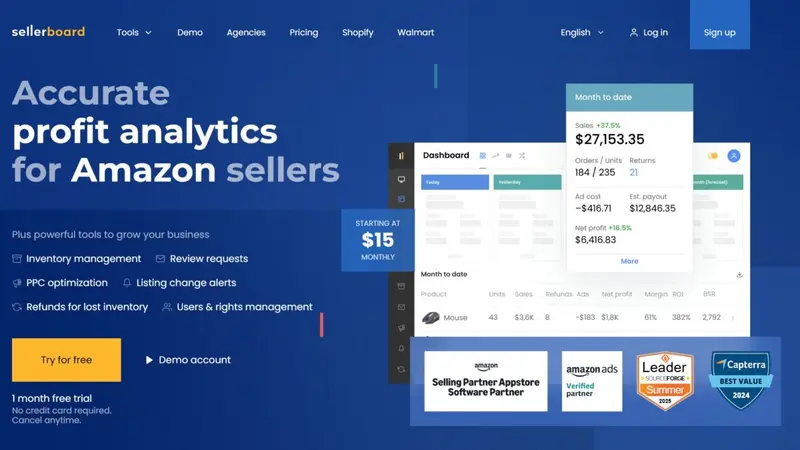
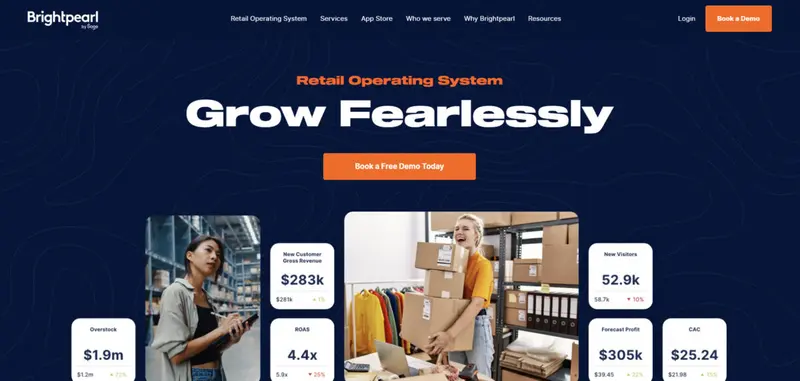
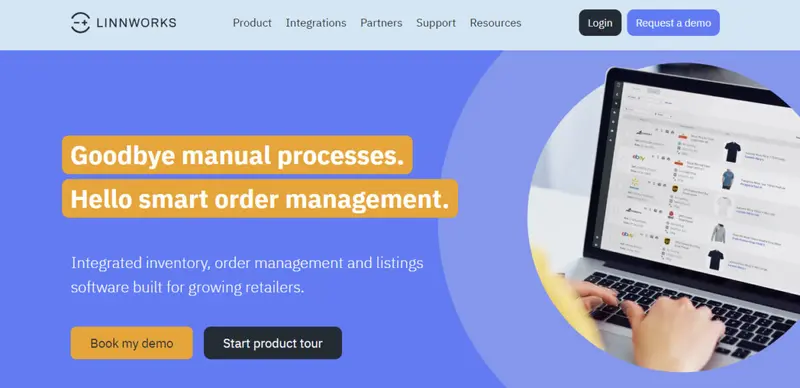
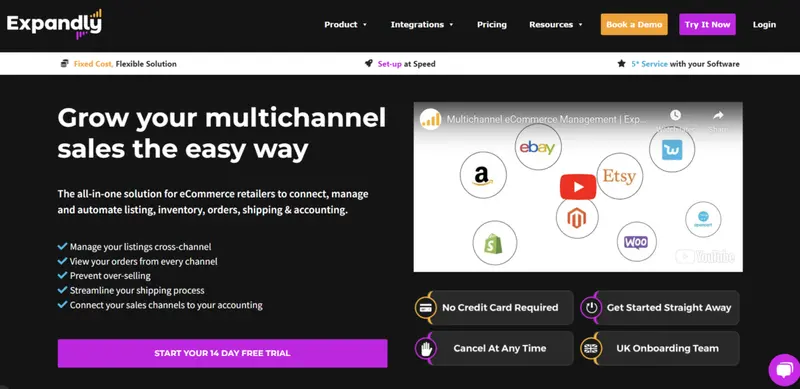
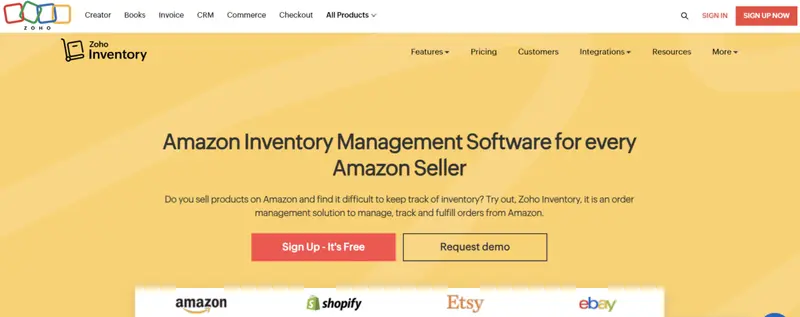
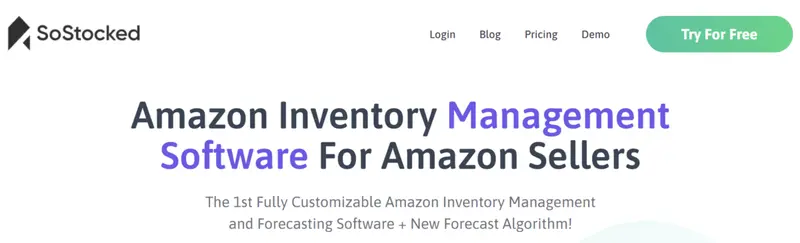
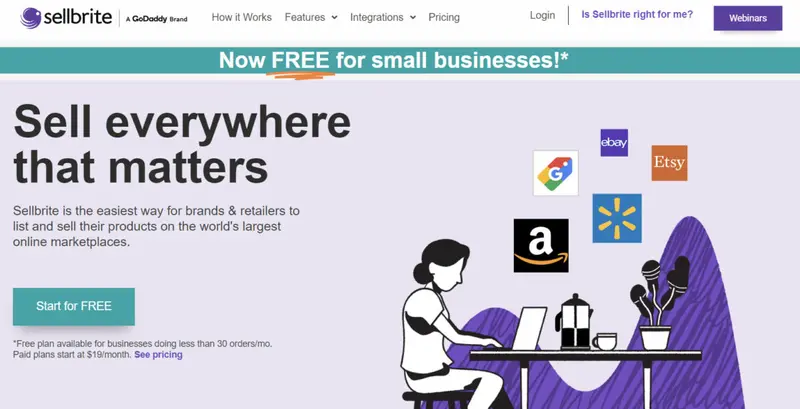
Sellerboard’s inventory module is built for Amazon workflows first, and it shows. The Inventory Planner doesn’t just spit out a naïve reorder point—it fuses sales history with seasonality, supplier lead times, and shipping windows, then turns that into concrete when/what to order recommendations with days-of-stock and days-to-next-order front-and-center. For operators juggling multiple products and suppliers, that immediate, contextual “do this next” framing is the difference between theory and execution. There are several reasonably priced inventory management tools on the market and some of them are even available for free. Veeqo is one such tool, making it one of the popular tools for eCommerce startups in particular. There’s one condition, though, you’ll need to buy most of your shipping labels in Veeqo. Brought to you by Sage, Brightpearl is one of the leading retail operating systems aimed at eCommerce brands, wholesalers as well as multichannel retail brands. Aside from inventory and sales order management, it can also be used for financial management, fulfillment, and logistics, among other things. For those selling on Amazon, it offers a complete digital operations platform thanks to its out-of-the-box, plug-and-play integration. You can use it to manage orders for multiple channels and leverage Amazon FBA. Its enhanced inventory management features let you sync all your stock, orders, shipping, and payments automatically. Is your stock located at multiple warehouses or other locations? No problem. Brightpearl is bright enough to deal with that too. Linnworks is an award-winning, SaaS commerce platform that links business systems helping its users to increase their revenue via multiple channels. It’s trusted by thousands of customers and offers over a hundred integrations, including all the big names like Amazon, Walmart, and BigCommerce. It’s a great option for B2B brands. Aside from letting you set B2B prices or discounts, you can also identify business orders and use its automation features to prioritize those. Then, once an order is dispatched, it will automatically recalculate your stock levels. For those looking to leverage multi-channel selling, there’s Expandly. As its name suggests, it shines in the integrations department. In addition to Amazon, it also integrates with three of the other biggest marketplaces – eBay, Etsy, and Wish. Then, aside from these marketplaces, it also integrates with dozens of shopping carts, shipping carriers, accounting software, and 3PL companies. To keep track of all your activity, it offers a central interface. Here, you can manage orders, inventory, and listings. It also supports FBA listings and orders as well as services specific to the marketplace like gift wrapping. Zoho is much more than simply an email app. From email to customer relationship management to inventory tracking, it offers a number of comprehensive solutions. It currently offers inventory and order management for Amazon, Shopify, Etsy, and eBay and is rated as one of the best eCommerce inventory management platforms along with Linnworks, Veeqo, and SkuVault. Whether you’re a retailer, wholesaler, or product-based business, Zoho can be used for several use cases. All in all, it’s pretty simple to integrate your Amazon Seller Central account with Zoho. If you want to use FBA, you can also designate a warehouse to monitor your products and orders. For this, they also share easy, step-by-step instructions. Ordoro was recently named by Forbes as the top inventory management software for multichannel sellers. Aside from integrating with several shopping carts and marketplaces like Shopify, BigCommerce, and Amazon, it also has integrations with accounting tools, suppliers, and shipping carriers. On top of its versatility, users have also praised its intuitiveness and customer support team. Its app tracks product quantities whenever you restock or there’s an outgoing shipment. Then, when you’re running low on certain SKUs, it will notify you. If you plan to sell only on Amazon, you’ll be stoked with SoStocked. It’s a completely customizable inventory management and forecasting software. Created by dozens of Amazon sellers for thousands of Amazon sellers, it can solve many common pain points like managing bundles and warehouse recounts. It’s especially useful for forecasting. Instead of relying on a one-size-fits-all algorithm, it lets you customize your forecast modeling around your unique business. Key Features Pricing You’ll need to get in touch with SoStocked to know their pricing. Sellbrite is another software that eCommerce brands can use for inventory optimization and offers a free plan for small businesses. Aside from its pricing, it’s also easy to use thanks to its one-click integrations with Amazon and several other platforms. From listing management to inventory control to fulfillment to reporting, it can be applied to various use cases. Its automatic inventory sync will ensure that you have the right amount of stock, while its bulk editor will cut down on manual work. You can also get a quick overview of your stock levels via a centralized, user-friendly interface to double-check that everything is still on the right track. Key Features Pricing1. Sellerboard
2. Veeqo

3. Brightpearl
4. Linnworks
5. Expandly
6. Zoho Inventory
7. Ordoro

8. SoStocked
9. Sellbrite
Wrapping Things Up
Make no mistake, Amazon attracts more than enough customers. If you know how to market to your target audience and have a system in place for deciding which popular products to sell, it’s half the battle won. Then, you’ll need to ensure that you have enough products to meet the demand that your clever marketing strategies generate.
Whether you plan on sticking solely to Amazon or plan to expand your presence to other platforms like Walmart too at a later stage, it’s highly recommended that you add one of these inventory software solutions to your tech stack. Switching between spreadsheets will never give you the complete picture like these inventory systems will.
Frequently Asked Questions
What is inventory management?
Inventory management is a part of a series of activities that help businesses to keep optimal levels of inventory items, both raw materials and finished goods. It enables them to forecast stock levels more accurately, avoid having too much or little stock, and prevent problems with shipping.
How do you know which products to sell on Amazon?
There are a number of tools that you can use to discover opportunities on Amazon and predict sales. You can, for example, check out the following Amazon sales forecasting software solutions:
- Pacvue Commerce
- Jungle Scout
- AMZScout
- SoStocked
- PrettyMerch
- Unicorn Smasher
- Amazon Forecast
Which products are currently trending on Amazon?
With millions of products available on Amazon, it can be challenging to figure out what to sell. Here are some of the top trending products on Amazon that you can add to your product range:
- Hair products
- Yoga mats
- Water bottles
- Games and puzzles
- Board games
- Pet supplies
- Books
What are some tips for launching a product on Amazon?
To launch a new product successfully, you’ll need to monitor the competition on the platform closely and be able to spot gaps in the market. This will help you to create a very competitive offer. Once you have your offer, turn your attention to Amazon reviews. You’ll need to find a way to convince customers to review the product that they’ve recently bought. Then, you’ll also need leverage pay-per-click (PPC) and try to bid more aggressively at the beginning.
Are there any good marketing agencies that specialize in Amazon?
There are dozens of great marketing agencies that include Amazon marketing in their list of services. You can, for example, check out:
- Disruptive Advertising
- Thrive Internet Marketing Agency
- Nuanced Media
- Rise Interactive
- Digital Operative
- Vertical Rail

![Amazon FBA Management Software [15 Tools to Fulfill Your Needs]](https://s.influencermarketinghub.com/imaginary/resize?width=400&height=200&type=webp&url=https://influencermarketinghub.com/wp-content/uploads/2024/01/image.png)

