
Hashtags on YouTube have evolved far beyond simple keyword labels. They play a growing role in helping creators improve discoverability across YouTube Shorts, search results, and recommendation feeds.
While hashtags alone will not make a video go viral, the right combination of broad trending hashtags and niche-specific tags can help creators reach more relevant viewers.
The popularity of YouTube Shorts has also changed how creators use hashtags.
Instead of relying on generic tags like #viral or #fyp alone, many channels now combine popular discovery hashtags with more targeted tags tied directly to their niche, audience, or content format.
A gaming creator might pair #gaming with #gamingclips, while a finance creator may use #personalfinance alongside #moneytips or #financialfreedom.
In this guide, we’ll break down the most popular YouTube hashtags creators are using across categories like Shorts, gaming, AI, fitness, beauty, business, education, and more.
We’ll also explain how hashtags work on YouTube today, how many you should use, and how to avoid the common hashtag mistakes that can hurt discoverability instead of helping it.
Check Your YouTube Channel Analytics for Free
We've partnered with HypeAuditor to bring you a YouTube Channel Analytics tool that you can use to check your channel analytics for free! Check out the tool below.

 Video total
 Most recent video
 Subscribers growth
 Avg engagements per video
 Reactions
 Comments

 Estim. earnings per video
- Do Hashtags Still Matter on YouTube in 2026?
- Rules to Follow When Using YouTube Hashtags
- Where Should You Add YouTube Hashtags?
- 100+ Most Popular YouTube Hashtags by Category
- Broad vs Niche YouTube Hashtags
- How to Find Trending YouTube Hashtags
- The Right Hashtags Can Strengthen YouTube Discoverability
- Frequently Asked Questions
Do Hashtags Still Matter on YouTube in 2026?
Yes, hashtags still matter on YouTube in 2026, but not in the same way they did several years ago.
Today, hashtags work best as supporting discoverability signals rather than primary ranking factors. YouTube’s recommendation system now relies much more heavily on viewer behavior signals like watch time, click-through rate, audience retention, and engagement.
That means creators can no longer rely on stuffing videos with trending hashtags and expecting strong results.
That said, hashtags still serve an important purpose across both traditional YouTube videos and Shorts. They help categorize content, connect videos to broader topics, and improve visibility for viewers searching for specific interests or trends.
Clicking on a hashtag still takes users to a dedicated feed of related content, which creates another pathway for discovery beyond search and recommendations.
But probably the biggest reason why hashtags remain relevant is YouTube Shorts.
As Shorts continues competing directly with TikTok and Instagram Reels, hashtags have become more visible within short-form discovery feeds. Creators regularly use hashtags like #shorts, #youtubeshorts, and #viralshorts to help YouTube better understand the type of audience their content targets.
Niche-specific hashtags are also becoming increasingly important because they help creators reach viewers with stronger topical interest instead of chasing broad viral traffic.
For example, a fitness creator may get more meaningful engagement from hashtags like #homeworkout or #fitnessjourney than from generic tags like #viral. Likewise, a tech creator targeting AI enthusiasts will likely benefit more from #AItools or #artificialintelligence than broad discovery hashtags alone.
The shift reflects how YouTube’s algorithm increasingly prioritizes audience relevance and viewer satisfaction over raw keyword matching.
Creators should also understand the limitations of hashtags. They do not override poor content performance. Videos with weak hooks, low retention, or limited engagement will not suddenly rank because they contain trending hashtags.
Strong thumbnails, compelling openings, consistent posting schedules, and audience retention still carry far more weight in YouTube’s recommendation system.
Create Thumbnails That Actually Earn Clicks
Even the best hashtags cannot compensate for weak visuals. Explore the Best Online YouTube Thumbnail Makers to design thumbnails that improve click-through rates and help your videos stand out in crowded Shorts and search feeds.
The best approach is to treat hashtags as one layer of a larger YouTube discoverability strategy. Most successful creators now combine:
- Broad discovery hashtags for reach
- Niche hashtags for audience targeting
- Shorts hashtags for feed visibility
- Strong titles and thumbnails for click-through rate
- Engaging content that holds the viewer's attention
This balanced strategy is far more effective than relying on generic hashtag stuffing or copying TikTok hashtag trends onto every upload.
Rules to Follow When Using YouTube Hashtags
Hashtags can help improve discoverability on YouTube, but only when they are used strategically. Overusing hashtags, adding irrelevant tags, or copying spam-style hashtag tactics can make videos look low quality and reduce their effectiveness.
Here are the most important rules to follow when using YouTube hashtags.
Keep Hashtags Relevant
Every hashtag should relate directly to your video’s topic. YouTube uses hashtags to better understand your content and connect it with viewers interested in that subject.
For example, a fitness creator may use:
- #fitness
- #homeworkout
- #fitnessjourney
while a tech creator may use:
- #ai
- #techreviews
- #aitools
Relevant hashtags help improve topical discoverability and audience targeting.
Avoid Over-Tagging
Adding too many hashtags can make your content appear spammy. Instead of stuffing descriptions with dozens of hashtags, focus on a smaller group of highly relevant tags.
In most cases:
- 1-2 hashtags in the title
- 3-5 hashtags in the description
is enough for most videos and Shorts.
Don’t Use Misleading Hashtags
Using unrelated trending hashtags simply to attract views can hurt audience trust and reduce engagement quality. If viewers click expecting one type of content and find something completely different, retention usually drops quickly.
Hashtags should accurately reflect the content of your video.
Avoid Offensive or Restricted Hashtags
All hashtags must follow YouTube’s Community Guidelines. Offensive, hateful, explicit, or abusive hashtags can lead to content restrictions or removal.
Use a Mix of Broad and Niche Hashtags
Broad hashtags like:
- #shorts
- #youtube
- #viral
can improve overall visibility, while niche hashtags help target more specific audiences.
A balanced hashtag strategy usually performs better than relying entirely on generic trending tags.
Focus on Content Quality First
Hashtags support discoverability, but they cannot replace strong content. YouTube still prioritizes signals like:
- Watch time
- Audience retention
- Engagement
- Click-through rate
Relevant hashtags work best when paired with compelling thumbnails, strong openings, and content that keeps viewers watching.
Where Should You Add YouTube Hashtags?
YouTube hashtags can be added to both video titles and descriptions, but most creators use them in descriptions to keep titles cleaner and easier to read.
YouTube Hashtags in Video Titles
Adding hashtags directly to titles can increase visibility, especially for Shorts, trending topics, or recurring content series. However, too many hashtags can make titles look cluttered and reduce readability.
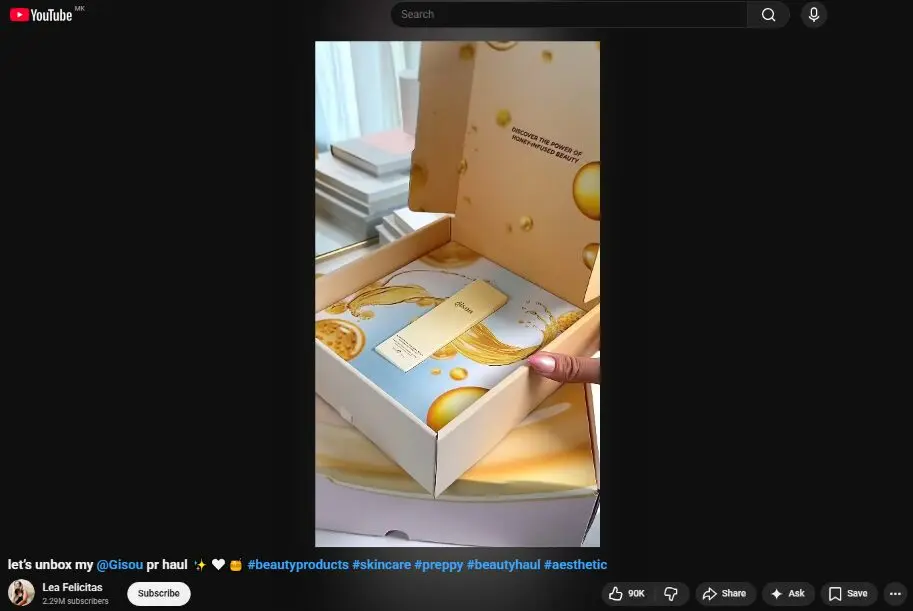
In most cases, creators should limit title hashtags to:
- 1-2 highly relevant hashtags
This works best when the hashtag naturally fits the video topic or branding.
YouTube Hashtags in Video Descriptions
Descriptions are the most common place to add YouTube hashtags. When hashtags are included in descriptions, YouTube may display up to three of them above the video title.
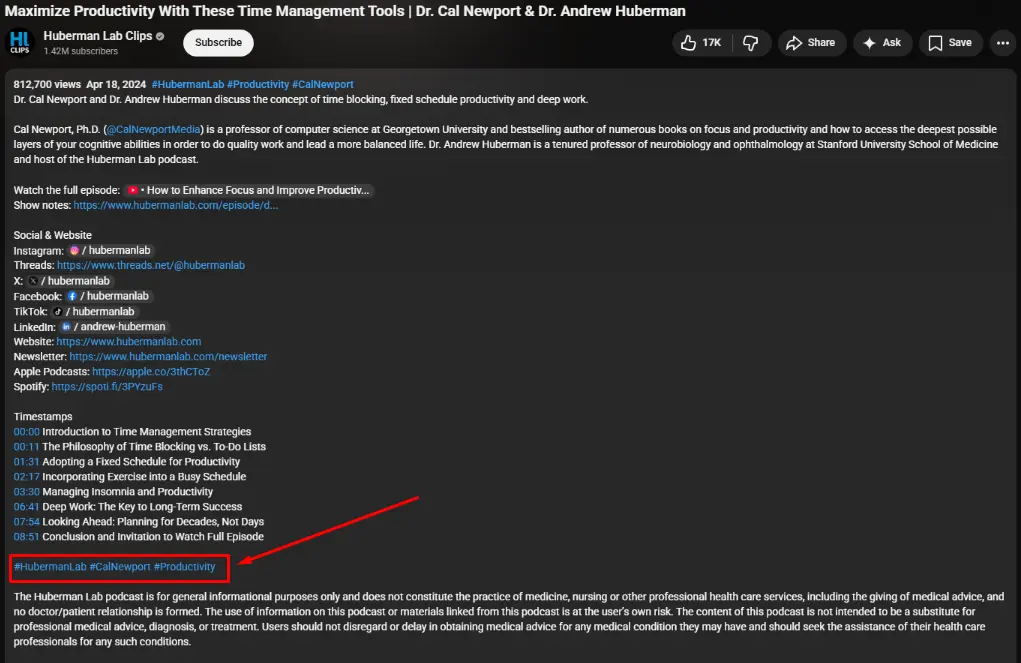
This gives creators more flexibility to combine:
- Broad discovery hashtags
- Niche-specific hashtags
- Shorts hashtags
without overcrowding the title itself.
Many creators place hashtags at the bottom of their descriptions to keep metadata organized and easy to scan.
How Many Hashtags Should You Use?
Using more hashtags does not automatically improve discoverability. In fact, excessive hashtag usage can make content look spammy and reduce relevance.
For most YouTube videos and Shorts:
- 3-5 relevant hashtags
- plus 1 optional title hashtag
is usually enough.
The best approach is to prioritize hashtags that accurately describe your content, niche, and audience instead of stuffing videos with generic trending tags.
Write YouTube Descriptions That Improve Discoverability
Hashtags work best when paired with strong video descriptions. Learn How to Write Engaging YouTube Descriptions that support search visibility, improve click-through rates, and help viewers understand your content faster.
100+ Most Popular YouTube Hashtags by Category
The best YouTube hashtags combine broad discoverability with niche relevance.
While trending hashtags can help improve visibility, niche hashtags often do a better job of connecting videos with viewers who are genuinely interested in your content.
We've sorted the following hashtags based on a mix of popular YouTube hashtags, Shorts discovery tags, and creator-focused niche hashtags across some of the platform’s biggest categories.
General & Trending YouTube Hashtags
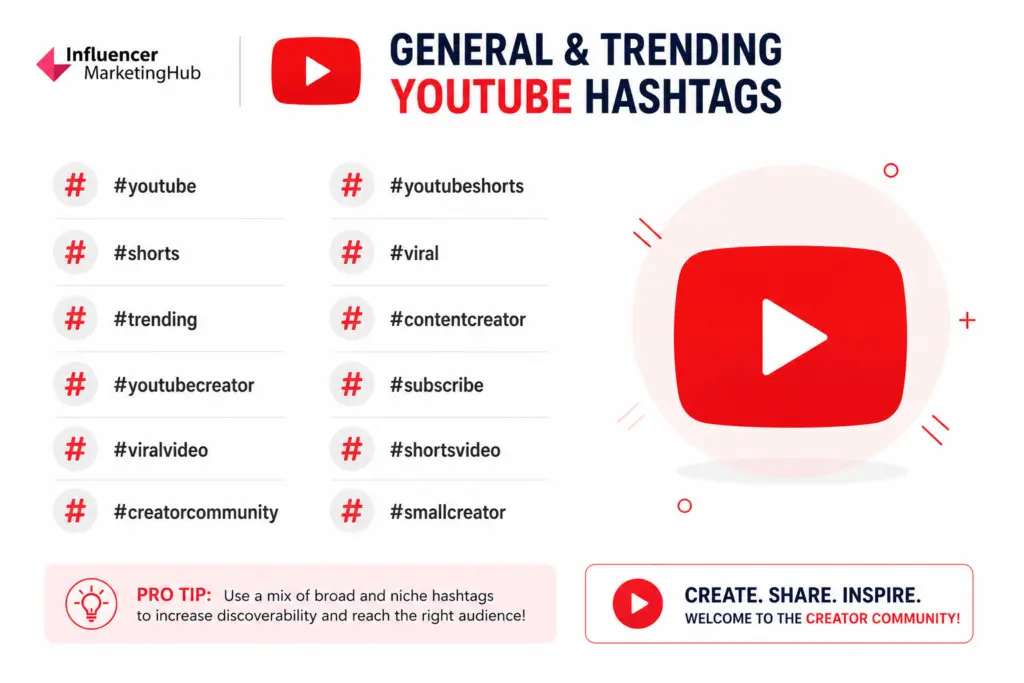
These hashtags remain some of the most widely used across YouTube and Shorts. They work best when paired with more targeted hashtags related to your niche or content style.
1. #youtube
2. #youtubeshorts
3. #shorts
4. #viral
5. #trending
6. #contentcreator
7. #youtubecreator
8. #subscribe
9. #viralvideo
10. #shortsvideo
11. #creatorcommunity
12. #smallcreator
YouTube Shorts Hashtags
Short-form content continues dominating YouTube discovery feeds, making Shorts hashtags some of the most important tags creators can use today. These hashtags are commonly used to improve visibility within Shorts recommendations and mobile browsing feeds.
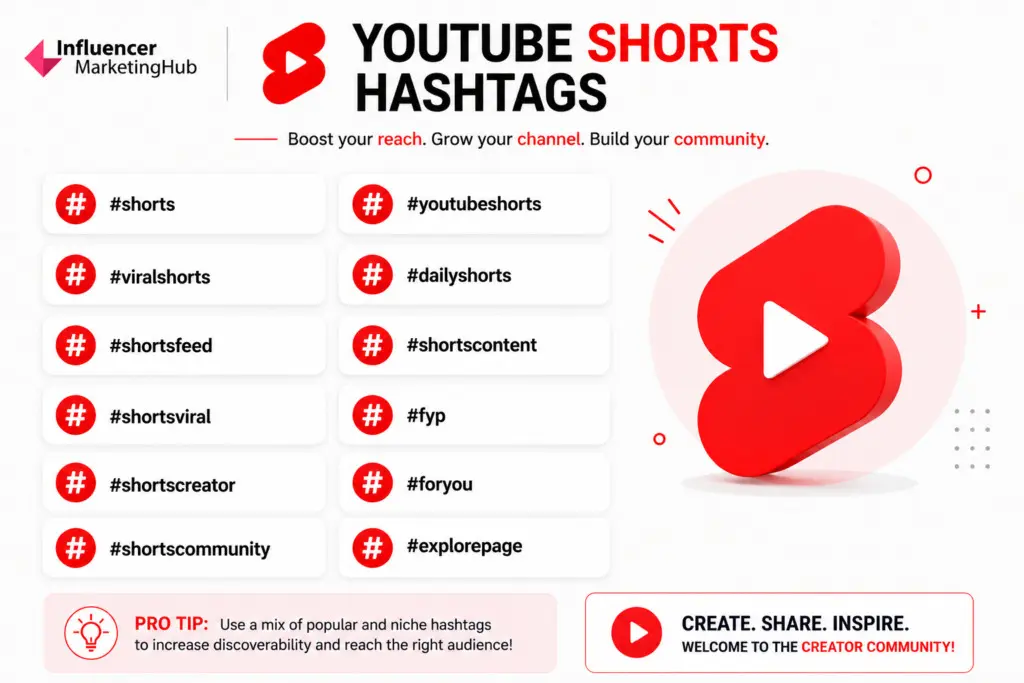
13. #shorts
14. #youtubeshorts
15. #viralshorts
16. #shortsfeed
17. #shortsviral
18. #shortscreator
19. #shortscommunity
20. #dailyshorts
21. #shortscontent
22. #fyp
23. #foryou
24. #explorepage
Gaming YouTube Hashtags
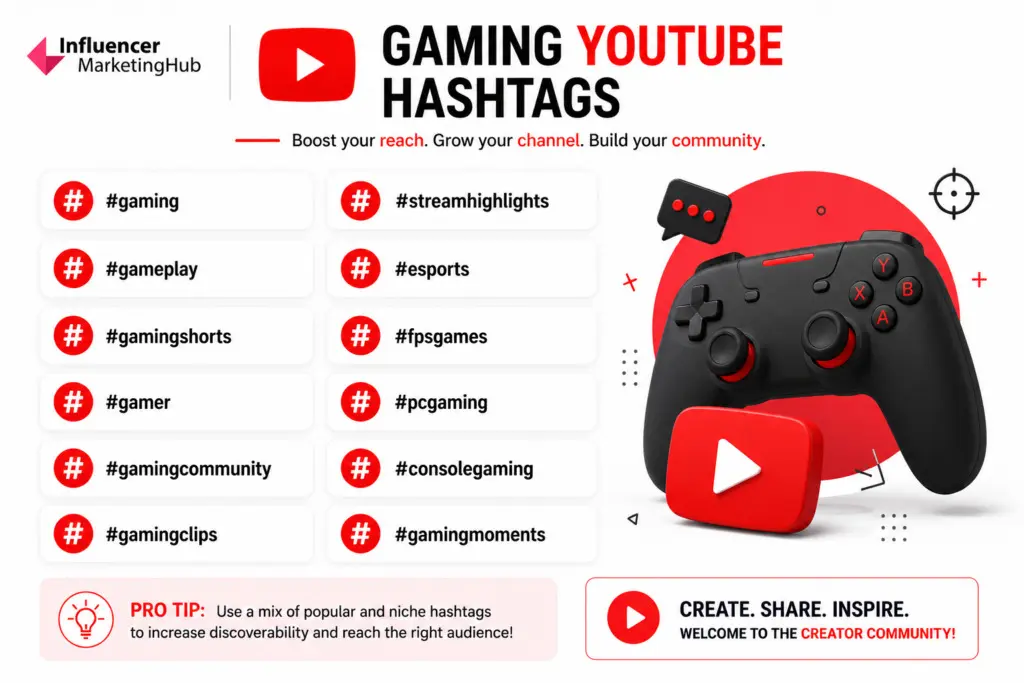
Gaming remains one of YouTube’s largest content categories, especially for Shorts, livestream clips, walkthroughs, and reaction content. Broad gaming hashtags help improve overall discoverability, while niche hashtags help target specific gaming audiences.
25. #gaming
26. #gameplay
27. #gamingshorts
28. #gamer
29. #gamingcommunity
30. #gamingclips
31. #streamhighlights
32. #esports
33. #fpsgames
34. #pcgaming
35. #consolegaming
36. #gamingmoments
AI & Technology YouTube Hashtags
AI and technology content has grown rapidly across YouTube, especially in Shorts focused on productivity tools, automation, gadgets, and software tutorials. These hashtags help creators target viewers interested in emerging tech trends and digital tools.
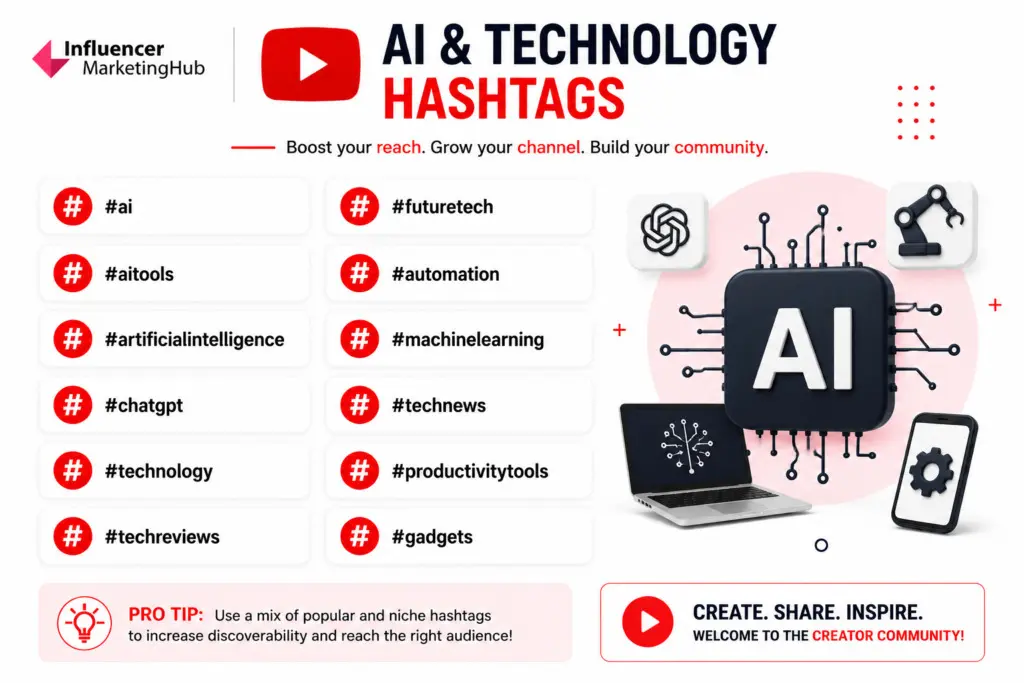
37. #ai
38. #aitools
39. #artificialintelligence
40. #chatgpt
41. #technology
42. #techreviews
43. #futuretech
44. #automation
45. #machinelearning
46. #technews
47. #productivitytools
48. #gadgets
Business & Entrepreneurship YouTube Hashtags
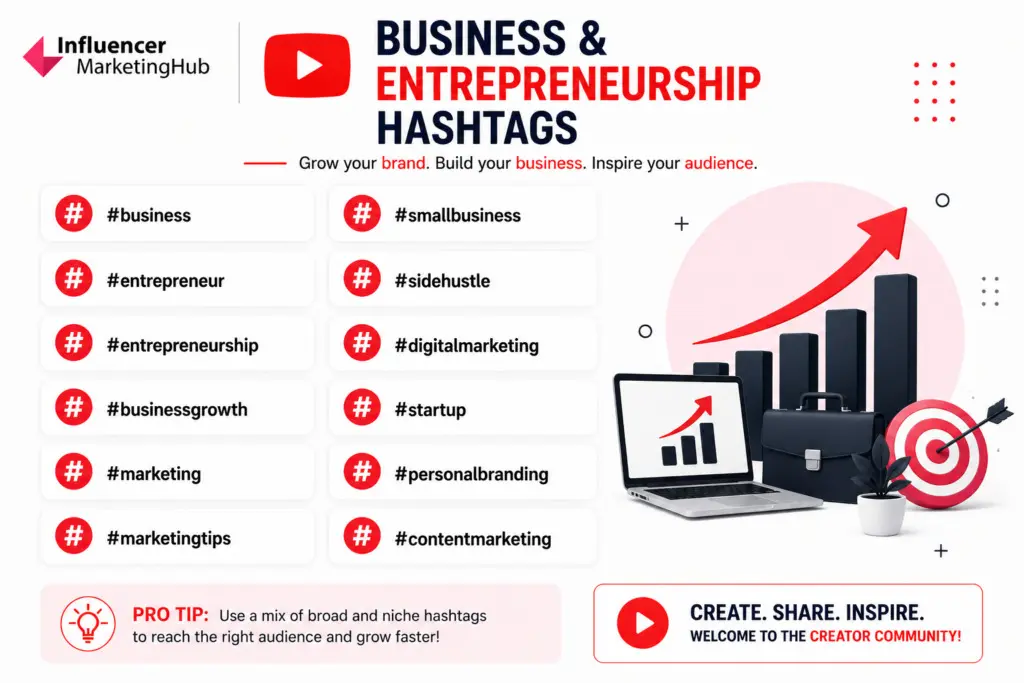
Business and creator economy content performs especially well on YouTube Shorts because viewers actively search for marketing advice, side hustle ideas, and growth strategies. These hashtags combine broad business discovery with more targeted entrepreneurial topics.
49. #business
50. #entrepreneur
51. #entrepreneurship
52. #businessgrowth
53. #marketing
54. #marketingtips
55. #smallbusiness
56. #sidehustle
57. #digitalmarketing
58. #startup
59. #personalbranding
60. #contentmarketing
Finance & Investing YouTube Hashtags
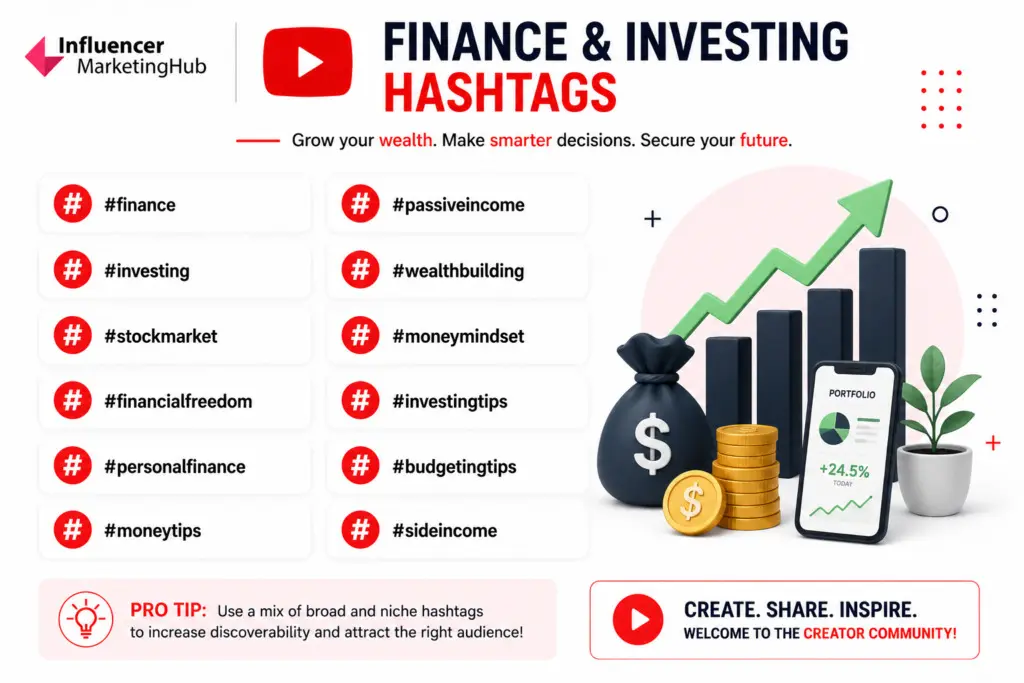
Finance remains one of YouTube’s highest-value niches, particularly for Shorts explaining investing, budgeting, and passive income strategies. These hashtags help creators reach audiences interested in financial education and wealth-building content.
61. #finance
62. #investing
63. #stockmarket
64. #financialfreedom
65. #personalfinance
66. #moneytips
67. #passiveincome
68. #wealthbuilding
69. #moneymindset
70. #investingtips
71. #budgetingtips
72. #sideincome
Fitness & Wellness YouTube Hashtags
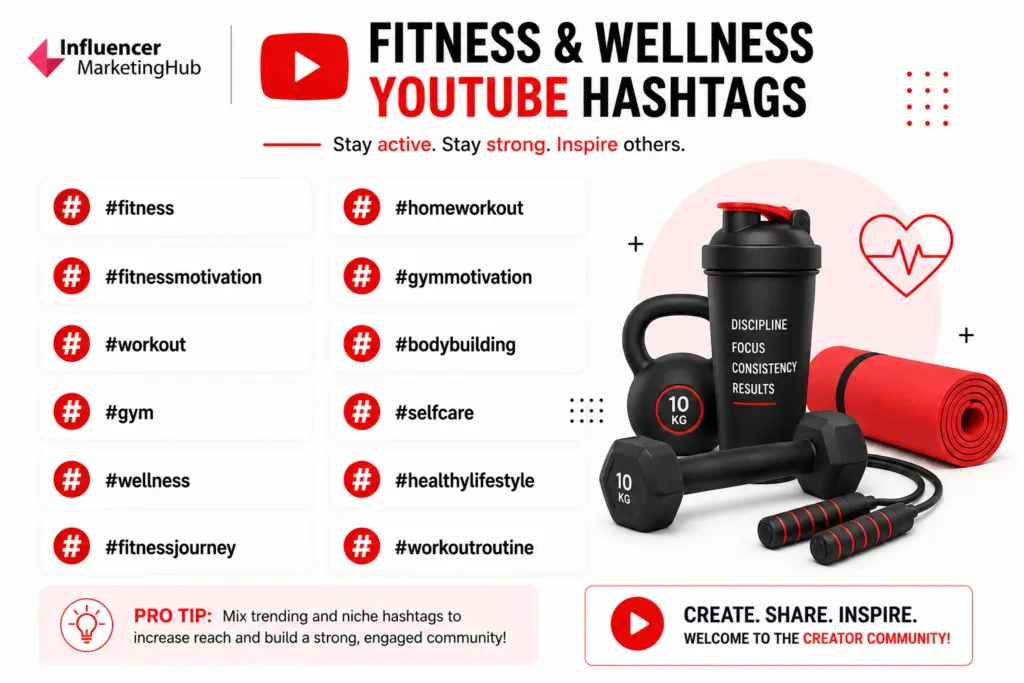
Fitness content continues thriving across both long-form videos and Shorts, especially around workouts, routines, mobility training, and wellness habits. Combining broad fitness hashtags with more specific training tags can help improve audience targeting.
73. #fitness
74. #fitnessmotivation
75. #workout
76. #gym
77. #wellness
78. #fitnessjourney
79. #homeworkout
80. #gymmotivation
81. #bodybuilding
82. #selfcare
83. #healthylifestyle
84. #workoutroutine
Beauty & Fashion YouTube Hashtags
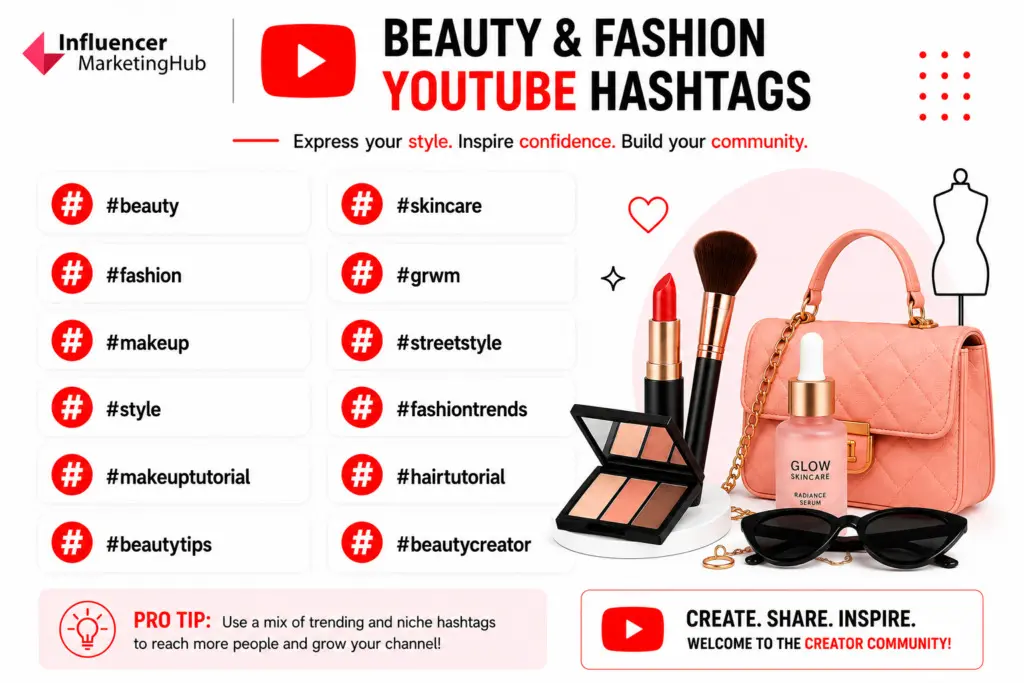
Beauty and fashion remain some of YouTube’s strongest creator categories, especially for tutorials, product reviews, GRWM videos, and trend-based Shorts. These hashtags help creators improve visibility across makeup, skincare, and style-focused content.
85. #beauty
86. #fashion
87. #makeup
88. #style
89. #makeuptutorial
90. #beautytips
91. #skincare
92. #grwm
93. #streetstyle
94. #fashiontrends
95. #hairtutorial
96. #beautycreator
Food & Cooking YouTube Hashtags
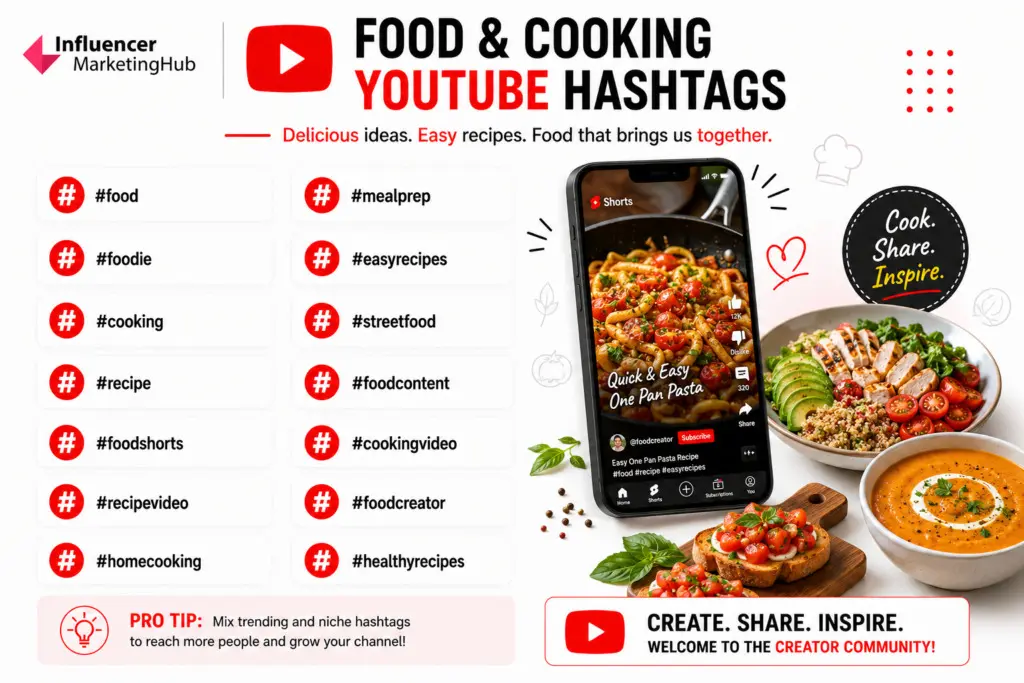
Recipe videos, cooking tutorials, and food Shorts continue performing well across YouTube discovery feeds. These hashtags help creators reach viewers searching for meal ideas, cooking inspiration, and quick food content.
97. #food
98. #foodie
99. #cooking
100. #recipe
101. #foodshorts
102. #recipevideo
103. #homecooking
104. #mealprep
105. #easyrecipes
106. #streetfood
107. #foodcontent
108. #cookingvideo
109. #foodcreator
110. #healthyrecipes
Education & Tutorials YouTube Hashtags
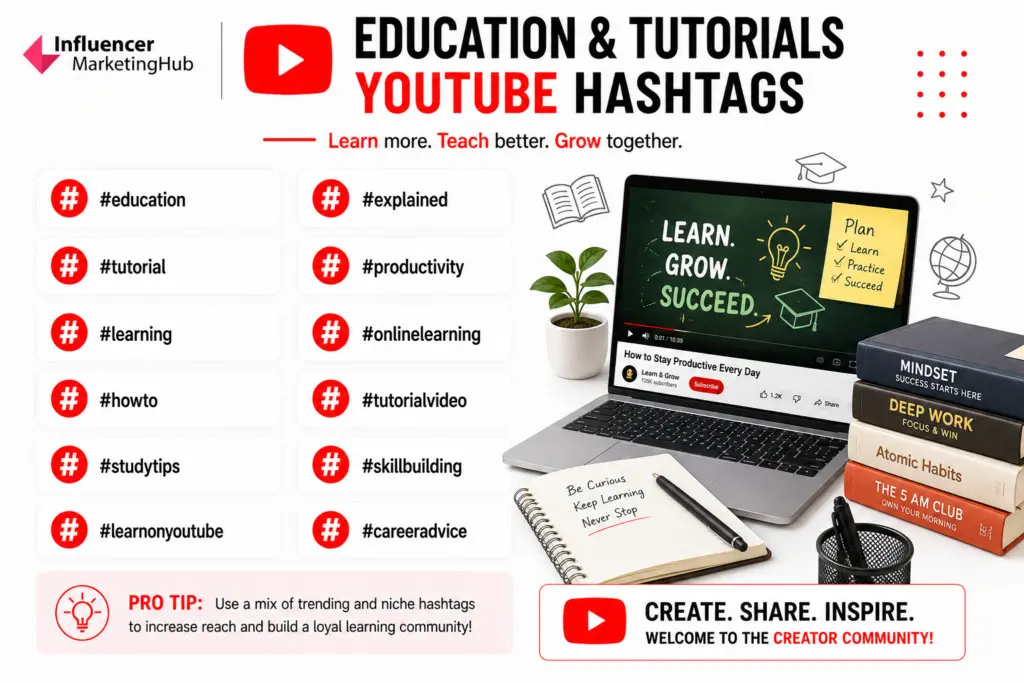
Educational content continues performing extremely well on YouTube, especially for searchable tutorials, explainers, productivity content, and how-to Shorts. These hashtags help creators target viewers actively looking to learn new skills or solve specific problems.
110. #education
111. #tutorial
112. #learning
113. #howto
114. #studytips
115. #learnonyoutube
116. #explained
117. #productivity
118. #onlinelearning
119. #tutorialvideo
120. #skillbuilding
121. #careeradvice
Podcast & Commentary YouTube Hashtags
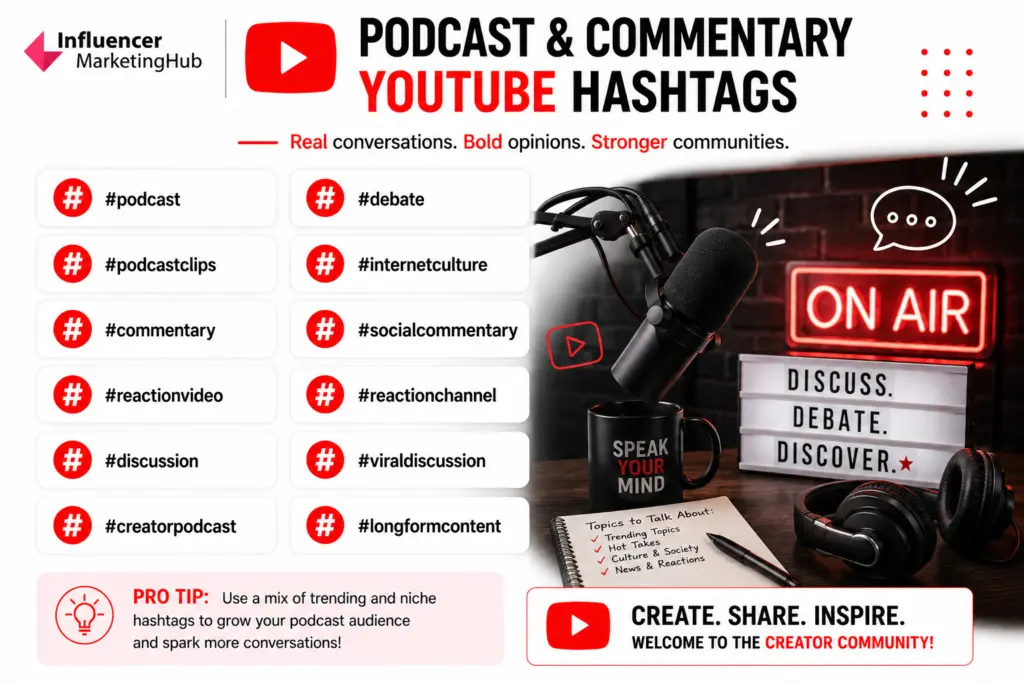
Podcast clips, reaction content, commentary videos, and discussion-based Shorts have become major YouTube growth categories. These hashtags help creators improve discoverability around interviews, debates, reactions, and long-form discussions.
122. #podcast
123. #podcastclips
124. #commentary
125. #reactionvideo
126. #discussion
127. #creatorpodcast
128. #debate
129. #internetculture
130. #socialcommentary
131. #reactionchannel
132. #viraldiscussion
133. #longformcontent
Music & Entertainment YouTube Hashtags
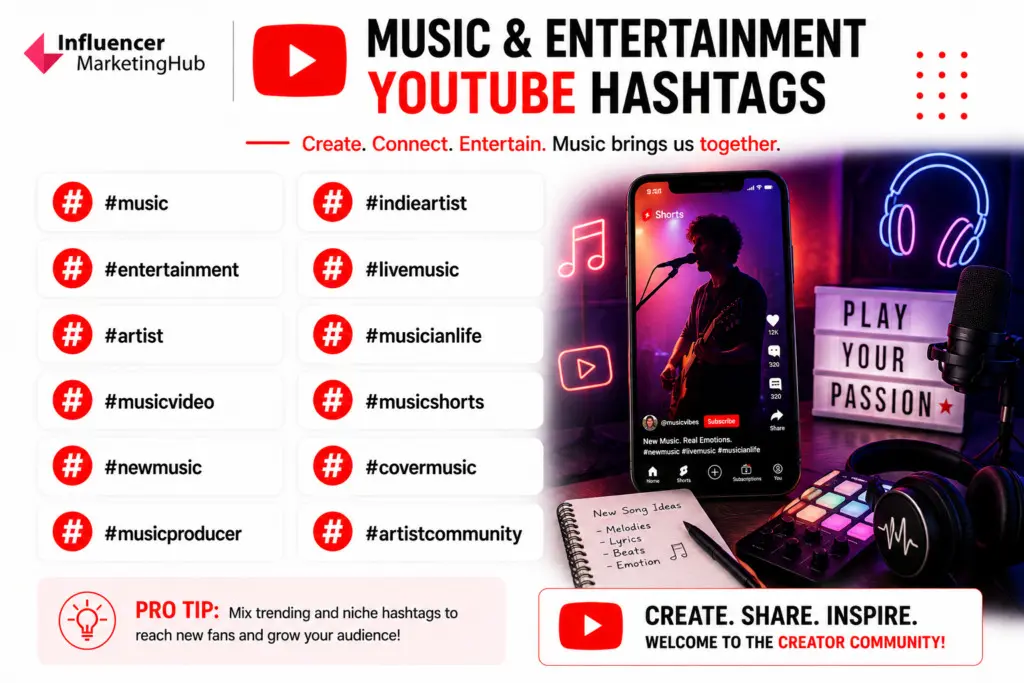
Music content remains one of YouTube’s largest categories, ranging from music videos and covers to producer content, artist Shorts, and live performances. These hashtags help creators reach viewers interested in music discovery and entertainment content.
134. #music
135. #entertainment
136. #artist
137. #musicvideo
138. #newmusic
139. #musicproducer
140. #indieartist
141. #livemusic
142. #musicianlife
143. #musicshorts
144. #covermusic
145. #artistcommunity
Travel YouTube Hashtags
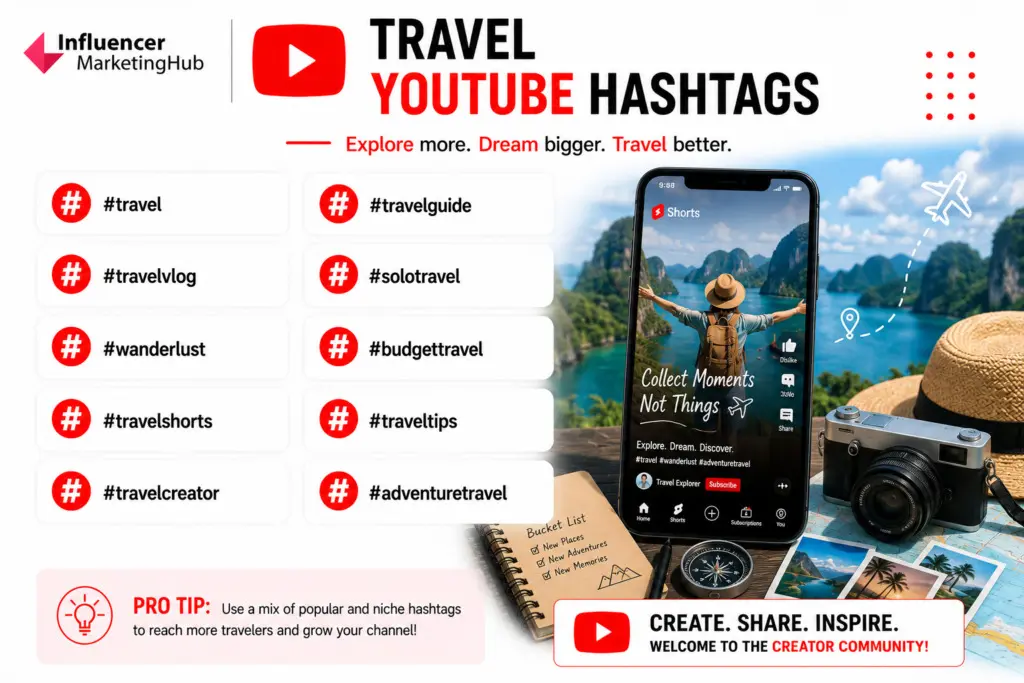
Travel content performs particularly well in Shorts thanks to cinematic clips, destination guides, and travel vlogs. These hashtags help creators improve discoverability among viewers searching for travel inspiration and location-based content.
146. #travel
147. #travelvlog
148. #wanderlust
149. #travelshorts
150. #travelcreator
151. #travelguide
152. #solotravel
153. #budgettravel
154. #traveltips
155. #adventuretravel
Lifestyle & Vlogs YouTube Hashtags
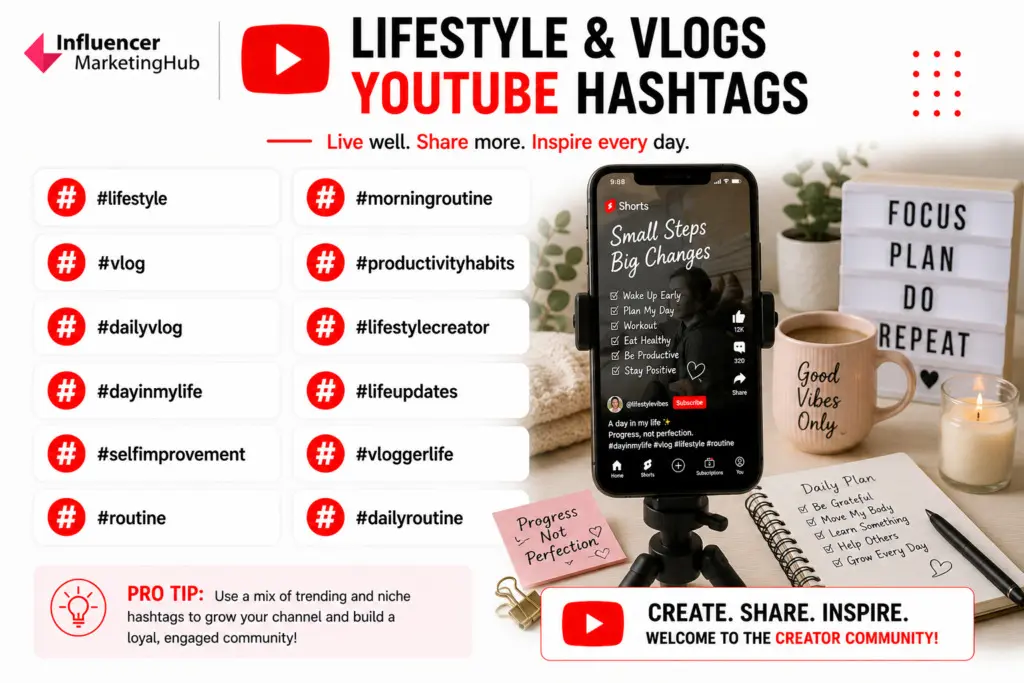
Lifestyle content remains one of YouTube’s broadest creator categories, covering routines, self-improvement, productivity, and everyday vlog content. These hashtags work best when paired with more specific niche hashtags tied to your content style.
156. #lifestyle
157. #vlog
158. #dailyvlog
159. #dayinmylife
160. #selfimprovement
161. #routine
162. #morningroutine
163. #productivityhabits
164. #lifestylecreator
165. #lifeupdates
166. #vloggerlife
167. #dailyroutine
Broad vs Niche YouTube Hashtags
Not all YouTube hashtags serve the same purpose. Some hashtags are designed for broad discoverability, while others help creators target highly specific audiences. Understanding the difference is important because the most effective hashtag strategies usually combine both.
Broad hashtags are large, high-traffic hashtags that cover wide topics or trending content categories. Examples include:
- #shorts
- #viral
- #gaming
- #fitness
- #music
These hashtags can help videos appear in larger discovery pools and trending feeds. They are especially common on YouTube Shorts, where creators often try to increase overall visibility and reach.
The downside is competition.
Because broad hashtags are used by millions of creators, videos can quickly get buried among massive amounts of content. A hashtag like #gaming, for example, includes everything from livestream clips to esports highlights and mobile gameplay videos.
Competing for visibility in those broad feeds can be difficult for smaller creators.
Niche hashtags work differently. Instead of targeting massive audiences, they focus on more specific interests, communities, or content formats. Examples include:
- #gamingclips
- #homeworkout
- #podcastclips
- #aitools
- #budgettravel
These hashtags usually attract smaller but more targeted audiences. While they may not generate the same level of broad exposure, they often help creators reach viewers who are more likely to engage with the content.
For example, a creator posting fitness Shorts may get stronger engagement using:
- #fitness
- #homeworkout
- #fitnessjourney
instead of relying entirely on broad hashtags like #viral or #trending.
The same applies across nearly every niche on YouTube. A tech creator may combine:
- #technology
- #ai
- #chatgpt
while a business creator may use:
- #entrepreneur
- #marketingtips
- #smallbusiness
This combination helps balance visibility with audience relevance.
The most effective YouTube hashtag strategies usually mix:
- Broad hashtags for reach
- Niche hashtags for targeting
- Shorts hashtags for discoverability
instead of relying entirely on one type of hashtag.
Creators should also remember that hashtags work best when they reinforce content quality rather than replace it. Strong hooks, audience retention, watch time, and engagement still have a much bigger impact on YouTube recommendations than hashtags alone.
Relevant hashtags simply help YouTube better understand who your content is for and where it belongs within larger discovery feeds.
How to Find Trending YouTube Hashtags
YouTube trends move quickly, especially across Shorts, gaming, AI, podcasts, and creator-focused content niches. While popular hashtags can improve discoverability, the best creators regularly update their hashtag strategies based on current trends, audience behavior, and emerging content formats.
Here are some of the most effective ways to find trending YouTube hashtags.
Use YouTube Search Autocomplete
One of the easiest ways to discover trending hashtags and content ideas is through YouTube’s own search bar. As you type, YouTube automatically suggests popular searches based on real viewer activity.
For example, typing:
“fitness sh…”
“podcast cl…”
“ai tool…”
may reveal trending search phrases connected to active creator niches.
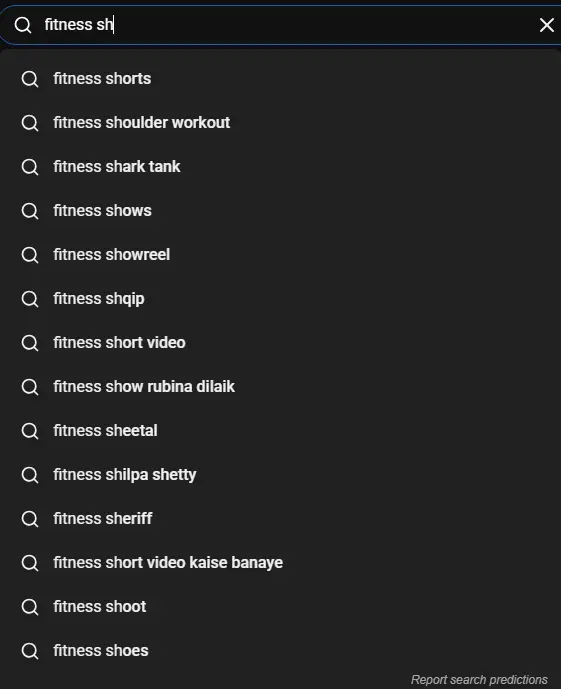
These suggestions can help identify popular topics, trending content formats, commonly searched keywords, and relevant hashtag ideas. Autocomplete is especially useful for Shorts creators because it reflects current audience interest and viewing behavior.
Analyze Popular Creators in Your Niche
Successful creators often reveal useful hashtag patterns directly in their titles and descriptions. Looking at high-performing videos in your niche can help you identify:
- Recurring hashtags
- Trending topics
- Shorts discovery tags
- Niche audience language
The goal is not to blindly copy hashtags, but to understand how creators structure discoverability around specific audiences and content styles.
Follow Shorts Trends and Viral Formats
YouTube Shorts trends evolve constantly, especially around challenges, editing styles, reactions, tutorials, and commentary clips. Watching trending Shorts in your niche can help you spot hashtags that appear repeatedly across high-performing videos.
This is often where new hashtags gain momentum before becoming widely saturated.
Creators should pay close attention to:
- Repeated hashtag combinations
- Seasonal trends
- Emerging creator slang
- Viral content formats
because these patterns often influence how audiences discover Shorts content.
Use Hashtag and Keyword Research Tools
Several YouTube SEO and keyword research platforms can help creators identify trending topics and hashtag opportunities. These tools often show:
- Search popularity
- Keyword variations
- Related content ideas
- Trending search phrases
They can be especially useful for finding niche hashtags that are less competitive than broad tags like #viral or #shorts.
However, tools should support your content strategy rather than replace it. The best hashtag choices are still the ones most relevant to your audience, niche, and video topic.
Prioritize Relevance Over Popularity
Not every trending hashtag will help your content perform better. In many cases, smaller niche hashtags generate more meaningful engagement because they connect videos with viewers who are genuinely interested in the topic.
The strongest hashtag strategies focus on relevance, audience alignment, and discoverability instead of chasing every trending hashtag online.
Track Which Hashtags Actually Drive Performance
Finding hashtags is only part of the strategy. Learn how the top Hashtag Analytics and Research Tools help creators identify trending topics, measure engagement, and discover which hashtags perform best across YouTube Shorts and long-form content.
The Right Hashtags Can Strengthen YouTube Discoverability
YouTube hashtags still play an important role in discoverability, especially across Shorts, trending topics, and niche creator communities. While hashtags alone will not guarantee views or viral growth, they can help YouTube better understand your content and connect it with the right audience.
The most effective hashtag strategies combine broad discovery hashtags with niche-specific tags tied directly to your content category, audience, and format. Instead of stuffing videos with random trending hashtags, creators should focus on relevance, consistency, and audience targeting.
As YouTube Shorts continues shaping how viewers discover content, hashtags remain one of several tools creators can use to improve visibility alongside strong thumbnails, compelling hooks, and high-retention content. When used strategically, the right hashtags can support long-term channel growth across nearly every YouTube niche.
Frequently Asked Questions
Are hashtags important on YouTube?
Yes, hashtags are important and useful on YouTube because they help to group videos around similar topics. In other words, if a user searches for a specific hashtag, all the videos that have used that specific hashtag will appear in the search results. This will make it easier for your target audience to discover your videos which can help to increase viewership and attract more subscribers helping you to grow your YouTube channel beyond your current audience.
Should you use a hashtag in the title of your YouTube video?
Using a hashtag, specifically a unique branded hashtag, in the title of YouTube videos can be very effective. By using a branded hashtag in the title of your YouTube videos, your target audience will be able to find all your other videos easily as they’ll just have to search for that specific hashtag or click on it. What’s more, branded hashtags won’t redirect your target audience to your competitors’ content as can be the case with generic hashtags.
How can you get more YouTube subscribers?
In addition to optimizing the title and description of your YouTube videos by, for example, including relevant, trending hashtags, you can also use the following YouTube marketing strategies. These include:
- Working with other video content creators
- Starting an email newsletter in which you share links to your latest video
- Marketing it via social media or a podcast
- Running a competition
How can you rank higher on YouTube?
You’ll need to pay attention to search engine optimization (SEO) if you want your videos to rank higher on YouTube. You can do this by optimizing your videos by including the right keywords and 1-2 relevant hashtags in the title of your video as well as the description of the video. You should also try to engage more with viewers by replying to their comments and encouraging them to subscribe to your channel.
What are the most popular hashtags on YouTube?
Some of the most popular YouTube hashtags include:
- #shorts
- #youtubeshorts
- #viral
- #trending
- #gaming
- #fitness
- #music
However, niche hashtags often perform better for audience targeting and engagement.
Do hashtags help YouTube videos get more views?
Hashtags can improve discoverability by helping YouTube categorize content and connect videos with related topics. However, watch time, audience retention, click-through rate, and engagement still play a much larger role in YouTube recommendations.
How many hashtags should I use on YouTube?
Most creators benefit from using:
- 1-2 hashtags in the title
- 3-5 hashtags in the description
Using too many hashtags can make content appear spammy and reduce relevance.
Should I use #Shorts on YouTube Shorts?
Yes. Many creators still use #shorts and #youtubeshorts to help categorize short-form content and improve Shorts discoverability. However, hashtags alone do not determine whether a video appears in Shorts feeds.
What hashtags work best for YouTube Shorts?
The best YouTube Shorts hashtags combine broad discovery tags with niche-specific hashtags. Examples include:
- #shorts
- #viralshorts
- #gamingclips
- #podcastclips
- #aitools
- #fitnessjourney