How Are Brands Investing in Influencer Marketing in 2026?
Share your perspective and receive the full benchmark report with budgets, channels, and performance insights.
banner

18 Social Media Calendar Tools for 2026 (+ Free Template)

Advertising Disclosure

Social media teams are publishing more often, across more platforms, with higher expectations for speed, consistency, and performance. Yet many brands still rely on spreadsheets, scattered reminders, or disconnected tools to manage their content. As algorithms increasingly reward consistency and strategic timing, the way social content is planned has become just as important as the content itself.

Two questions arise:

  • How do you maintain a steady publishing rhythm without burning out your team?
  • And how do you coordinate campaigns, approvals, and performance tracking when social media is no longer a single-channel effort?

In 2026, social media calendars have evolved far beyond simple scheduling. They now combine automation, collaboration, AI-assisted planning, analytics, and cross-channel visibility into a single system.

This guide breaks down 18 of the best social media calendar tools for 2026, highlighting where each excels, who they are best suited for, and how they fit into modern social workflows.

You will also find a free template to help you start planning immediately.

Summary
Platform:
Best For:
Pricing:
Mid to Large-sized Businesses
On request
Businesses of all sizes and agencies
From $25
Agencies and teams
From $50


Top Social Media Calendar Tools for 2026

Top
social media calendar tools
2026

1. Brandwatch Social Media Management
Brandwatch Social Media Management

Best For: Mid to Large-sized Businesses managing high-volume, multi-channel content calendars across teams and regions.

Calendar Strength: Unified, campaign-level social media calendar designed for long-term planning, cross-channel visibility, and structured rollouts.

Collaboration Level: Advanced, with role-based permissions, approval workflows, internal notes, and external stakeholder review links.

Supported Channels: Facebook, Instagram, LinkedIn, Twitter, WhatsApp, and YouTube.

Brandwatch approaches social media calendars as a strategic planning system, not just a scheduling grid. Its unified calendar gives teams a clear, visual overview of all planned and published content across channels, making it easier to coordinate daily posts, seasonal campaigns, and long-term initiatives in one place.

The calendar integrates directly with Brandwatch’s Campaign Planner, allowing teams to build campaigns from brief to rollout. You can assign tasks, attach assets, set timelines, and manage approvals directly within the calendar view, which is especially useful for organizations with multiple contributors or regional teams.

Posts can be scheduled, edited, previewed, and approved without leaving the planning interface.

Collaboration is one of Brandwatch’s strongest differentiators. Teams can assign roles, leave contextual notes on scheduled content, and share calendar views with external stakeholders through secure links to collect feedback without disrupting publishing workflows.

A centralized asset library supports calendar planning by storing pre-approved visuals and integrating with tools like Google Drive and OneDrive.

While Brandwatch also includes analytics, listening, and advertising tools, its calendar is best suited for complex planning environments rather than lightweight scheduling. Pricing is custom and reflects its enterprise focus.

Brandwatch is ideal for teams that treat their social media calendar as a core operational and campaign management tool, not just a posting aid.

4.8 out of 5 stars
A consumer intelligence platform, a social media marketing platform, and an influencer marketing platform were all acquired and forced to play well with each other—and they do!
Ratings
Features & Pricing
Pros and Cons
Ratings
Features
5.0
Ease of Use
4.5
Support
5.0
Overall Score
4.8
Features & Pricing
Analytics
Automated Publishing
Content Management
Keyword Filtering
Multi-Account Management
Post Scheduling
Brand Tracking
Social Media Monitoring
Hashtag Tracking
Sentiment Analysis
Reputation Management
Social Media Management
Price on request
Pros and Cons
Consumer Intelligence product uses social listening to help brands understand what people want
Audience tools give deep insights into the aggregate AND individuals
Newly added TikTok support goes further than you’d expect
Confusing array of products and services from three different companies
You can't post on multiple networks at once, but you can choose multiple channels within the same network for posting
Best for: Mid to Large-sized Businesses
4.8 out of 5 stars
A consumer intelligence platform, a social media marketing platform, and an influencer marketing platform were all acquired and forced to play well with each other—and they do!
Visit Website View Profile

2. Sendible

Sendible

Best For: Businesses of all sizes and agencies that need a scalable, structured social media calendar to manage high posting volume across clients and channels.

Calendar Strength: Flexible, color-coded content calendar with bulk scheduling, evergreen queues, and campaign organization.

Collaboration Level: Strong, with approval workflows, role-based permissions, and client-facing review options.

Supported Channels: LinkedIn, Facebook, Instagram, Twitter, TikTok, YouTube, Google Business, Threads, Bluesky, and more.

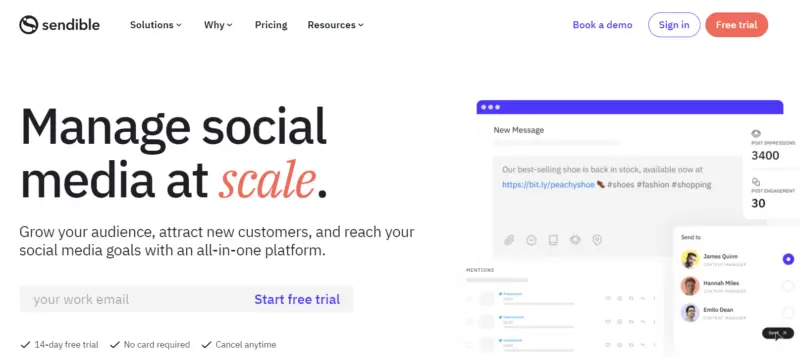
Sendible is built around efficiency and scale, making its social media calendar especially well-suited for agencies and teams managing multiple accounts at once. The calendar provides a clear overview of scheduled posts across platforms, with the ability to organize content into color-coded campaigns for easier planning and reporting.

One of Sendible’s biggest calendar advantages is flexibility. Teams can schedule posts individually, in bulk via CSV imports, or through Smart Queues that automatically recycle evergreen content.

This makes it easy to plan weeks or months of content in advance while still leaving room for timely updates. The Smart Compose Box allows teams to tailor posts per platform directly from the calendar, adjusting copy, hashtags, visuals, and links without duplicating work.

Collaboration is deeply integrated into the planning workflow. Posts can be submitted for approval before publishing, user permissions can be customized by role, and clients or external stakeholders can review content without gaining full account access.

A shared content library, along with integrations for Canva, Google Drive, and Dropbox, keeps assets organized and accessible during scheduling.

While Sendible also includes analytics and inbox management, its calendar shines most for high-volume planning and repeatable workflows. Pricing is tiered, making it accessible for small teams while scaling well for agencies.

Sendible is ideal for teams that need a reliable, campaign-ready social media calendar that balances control, speed, and collaboration.

4.8 out of 5 stars
Sendible’s ease of use and social scheduling capabilities make the platform ideal for businesses of all sizes, from sole traders to enterprises and agencies. No matter who you are, you will find a plan suitable for your needs, with each plan including all you need to manage your social accounts but scaling to add those additional features needed by larger organizations.
Ratings
Features & Pricing
Pros and Cons
Ratings
Features
4.6
Ease of Use
5.0
Reporting
4.9
Overall Score
4.8
Features & Pricing
Analytics
Automated Publishing
Content Management
Keyword Filtering
Multi-Account Management
Post Scheduling
Price starting at:$25
Pros and Cons
Excellent social scheduling features
Smart queues ensure you always have evergreen content to share
Centralized social engagement platform
Canva and other useful integrations
Value for money
Pricing tiers can be confusing
Best for: Businesses of all sizes and agencies
4.8 out of 5 stars
Sendible’s ease of use and social scheduling capabilities make the platform ideal for businesses of all sizes, from sole traders to enterprises and agencies. No matter who you are, you will find a plan suitable for your needs, with each plan including all you need to manage your social accounts but scaling to add those additional features needed by larger organizations.
Visit Website View Profile

3. Iconosquare

Iconosquare

Best For: Brands and Agencies that want a visual, flexible content calendar paired with strong analytics and collaboration.

Calendar Strength: Drag-and-drop social media calendar with campaign planning, slot scheduling, holidays, and best-time recommendations.

Collaboration Level: Strong, with approval workflows, internal notes, shared calendars, and external stakeholder access.

Supported Channels: Instagram, Facebook, LinkedIn, TikTok, X (Twitter), Pinterest, Threads, and YouTube.

Iconosquare treats the content calendar as the central hub for social media planning. Its visual calendar allows teams to plan weeks or months in advance, drag and drop posts to adjust timing, save drafts, and organize content into campaigns. In a single view, users can see scheduled posts alongside events, social media holidays, trending dates, and recommended posting times.

The calendar is designed to adapt to different workflows. Teams can group platforms together for a holistic view or focus on individual channels when refining platform-specific strategies. Slot times and reminders help maintain consistency without overloading the schedule, while campaign grouping makes long-term planning and reporting easier.

Collaboration is tightly integrated into the planning process. Teams can set approval workflows, assign posts for review, leave contextual notes, and share calendars externally with clients or stakeholders for feedback. A centralized media library connects directly to the calendar, ensuring assets are always available during scheduling.

Iconosquare also enhances calendar planning with AI-powered content creation, best-time-to-post insights, and performance analytics, helping teams refine their strategy as they plan. While it offers a free calendar template, the full value comes from using the live calendar inside the platform.

Iconosquare is ideal for teams that want a visual, data-informed social media calendar that balances planning, collaboration, and performance optimization.

Iconosquare Social Media Management Platform
4.5 out of 5 stars
Manage your social media and your analytics all in one place with Iconosquare. Businesses and agencies can easily manage the performance of their content as well as analytics, posting, and more. The platform supports Instagram, Facebook, TikTok, LinkedIn, and Pinterest.
Ratings
Features & Pricing
Pros and Cons
Ratings
Features
4.6
Ease of Use
4.4
Support
4.4
Overall Score
4.5
Features & Pricing
Analytics
Automated Publishing
Contact Management
Keyword Filtering
Multi-Account Management
Post Scheduling
Social Media Management
Price starting at:$49
Pros and Cons
Evolving functionality
Industry benchmarks
Competitive analysis features
Excellent automated posts
Customer support may not be helpful
Some features may glitch
Some platforms are not included
Best for: Brands and Agencies
Iconosquare Social Media Management Platform
4.5 out of 5 stars
Manage your social media and your analytics all in one place with Iconosquare. Businesses and agencies can easily manage the performance of their content as well as analytics, posting, and more. The platform supports Instagram, Facebook, TikTok, LinkedIn, and Pinterest.
Visit Website View Profile

4. Loomly

Loomly

Best For: Creators, Brands, Agencies, Marketing teams, solo freelancers, and Franchises who need a structured, visual social media calendar with strong approvals and content guidance.

Calendar Strength: Visual drag-and-drop content calendar with campaign labeling, post previews, reminders, and multi-brand planning.

Collaboration Level: Very strong, with multi-layer approval workflows, real-time commenting, version history, and client collaboration.

Supported Channels: Facebook, Instagram, LinkedIn, TikTok, YouTube, Pinterest, Google Business Profile, and Threads.

Loomly is built around its social media calendar, positioning it as the primary workspace for planning, creating, and scheduling content. Instead of relying on spreadsheets, teams use a visual calendar to draft posts, move them across dates with drag-and-drop controls, and preview exactly how content will appear on each platform before publishing.

The calendar supports multiple brands and clients, making it easy to separate content streams while maintaining a high-level overview of upcoming posts. Campaign labels and filters allow teams to organize content by initiative, theme, or channel, which simplifies both planning and performance tracking later on.

Collaboration is one of Loomly’s strongest areas. Posts move through customizable approval stages, ensuring the right stakeholders review content at the right time. Real-time comments, edit tracking, and version logs help teams avoid confusion during revisions.

Loomly also integrates content inspiration directly into the calendar, offering post ideas, hashtag suggestions, and RSS-based drafts to help fill scheduling gaps.

A built-in media library connects planning and creation, allowing teams to store assets, edit visuals, and reuse templates directly from the calendar view. While Loomly includes analytics and inbox features, its core value lies in content planning clarity and workflow control rather than advanced automation.

Loomly is ideal for teams that want a reliable, approval-driven social media calendar that balances structure, creativity, and ease of use.

4.8 out of 5 stars
One of the social media management platforms we’ve seen is also the easiest to use and designed to meet any sized marketing need.
Ratings
Features & Pricing
Pros and Cons
Ratings
Features
4.8
Ease of Use
5.0
Reporting
4.5
Overall Score
4.8
Features & Pricing
Analytics
Automated Publishing
Contact Management
Customer Targeting
Keyword Filtering
Multi-Account Management
Post Scheduling
Customer Engagement
Multi-User Collaboration
Reporting/Analytics
Price starting at:$32
Pros and Cons
Post creation process leaves nothing to chance: every aspect is well thought out
Multiple social calendars eliminate confusion/accidental postings
Workflow templates are suitable for large teams and one-person operations
Reporting could use more audience insights
Best for: Literally everyone: Creators, Brands, Agencies, Marketing teams and solo freelancers, Franchises
4.8 out of 5 stars
One of the social media management platforms we’ve seen is also the easiest to use and designed to meet any sized marketing need.
Visit Website View Profile

5. Agorapulse

Agorapulse

Best For: Mid-sized agencies, mid-sized businesses, and some enterprise brands. that need a structured social media calendar paired with approvals, evergreen scheduling, and inbox management.

Calendar Strength: Monthly and multi-profile calendar views with bulk scheduling, repeat posting, country-specific holidays, and shared calendars.

Collaboration Level: Strong, with role-based permissions, client-friendly shared calendars, and mobile access.

Supported Channels: Facebook, Instagram, LinkedIn, X (Twitter), YouTube, and Google Business Profile.

Agorapulse treats the social media calendar as the backbone of content planning rather than a simple scheduling layer. Its calendar gives teams a clear monthly overview of all scheduled posts across platforms, making it easier to spot gaps, balance content types, and plan around key dates like holidays, campaigns, and launches.

One standout feature is the Shared Calendar, which allows teams to present upcoming posts to stakeholders or clients without granting editing access. This makes approvals faster while keeping content secure. Permissions are granular, so not every user needs full access, which is especially useful for agencies managing multiple brands or compliance-driven workflows.

Agorapulse also supports evergreen content scheduling, letting teams repeat or requeue high-performing posts at controlled intervals. Combined with bulk publishing, this significantly reduces manual effort when managing fast-moving platforms or international accounts across time zones.

The calendar integrates tightly with Agorapulse’s asset library, inbox, and reporting tools. Teams can attach visuals directly while scheduling, monitor engagement once posts go live, and use performance insights to refine future calendar planning. Mobile access ensures schedules stay visible even when teams are away from their desks.

Agorapulse is best suited for teams that want a reliable, approval-friendly content calendar that scales across regions, platforms, and client accounts without sacrificing organization or visibility.

4.5 out of 5 stars
Agorapulse is a social media management platform stocked full of features for individuals, businesses, and enterprises. Their added listening tool helps users monitor brand mentions. Features include a variety of ways to publish content, reporting, analytics, and more.
Ratings
Features & Pricing
Pros and Cons
Ratings
Features
4.0
Ease of Use
4.6
Support
4.8
Overall Score
4.5
Features & Pricing
Analytics
Automated Publishing
Contact Management
Content Management
Conversion Tracking
Keyword Filtering
Multi-Account Management
Post Scheduling
Reporting/Analytics
Social Media Monitoring
Competitive Analysis
Scheduling
Social Media Calendar
Social Media Management
Team Workflow & Collaboration
Social Media Listening
Price starting at:$49
Pros and Cons
Easy social media management
Simple platform
Makes it easy not to double reply etc
Lack of post editing features
Limited third party integrations
Engagement platform can be difficult to use
Best for: Mid-sized agencies, mid-sized businesses and some enterprise brands.
4.5 out of 5 stars
Agorapulse is a social media management platform stocked full of features for individuals, businesses, and enterprises. Their added listening tool helps users monitor brand mentions. Features include a variety of ways to publish content, reporting, analytics, and more.
Visit Website View Profile

6. Hootsuite

Hootsuite

Best For: Small, Medium, and Large Businesses that need an advanced, centralized social media calendar with approvals, AI support, and cross-channel visibility.

Calendar Strength: Robust. Unified calendar and list views covering organic and paid posts, bulk scheduling up to 350 posts, campaign planning, drag-and-drop editing, and crisis pause controls.

Collaboration Level: Enterprise-grade, with custom approval workflows, task assignments, shared calendars, and Whiteboard for brainstorming.

Supported Channels: Facebook, Instagram, LinkedIn, TikTok, X (Twitter), Pinterest, YouTube, Threads, and Bluesky.

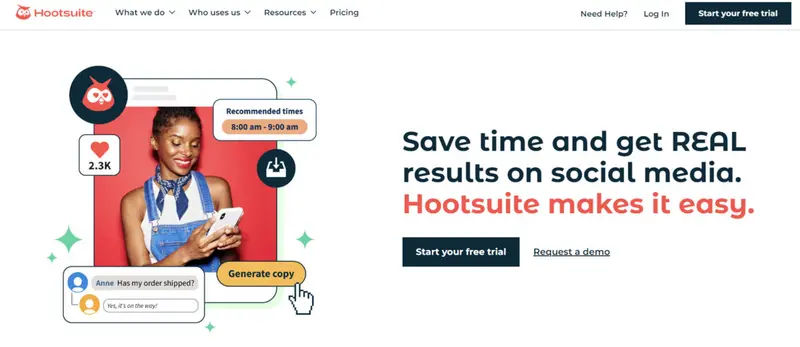
Hootsuite positions its content calendar as the command center for social publishing. Teams can plan weeks or months ahead using a visual calendar that displays all scheduled, published, and paid posts across networks in one place. This makes it easier to maintain cadence, balance formats, and avoid overlaps across campaigns.

The calendar integrates tightly with OwlyGPT, Hootsuite’s AI assistant, which helps generate captions, images, and post ideas directly inside the planning workflow. Recommended best-time-to-post heat maps allow teams to schedule content automatically when engagement is most likely, reducing guesswork during calendar setup.

Bulk scheduling is a standout feature for high-volume teams, allowing hundreds of posts to be uploaded at once while still preserving per-platform customization. In fast-moving situations, scheduled posts can be paused instantly, an important safeguard for brands managing sensitive campaigns.

Collaboration is deeply embedded. Approval workflows, role-based permissions, and shared visibility help distributed teams stay aligned, while Whiteboard replaces external spreadsheets for brainstorming and early-stage planning.

Hootsuite is best suited for organizations that treat their social media calendar as a strategic planning system, not just a scheduling tool, especially when scale, governance, and consistency matter.

5 out of 5 stars
One of the first platforms designed to streamline social media management, Hootsuite continues to be one of the market leaders.
Ratings
Features & Pricing
Pros and Cons
Ratings
Features
5.0
Ease of Use
5.0
Reporting
5.0
Overall Score
5
Features & Pricing
Analytics
Automated Publishing
Contact Management
Content Management
Conversion Tracking
Customer Targeting
Keyword Filtering
Multi-Account Management
Post Scheduling
Brand Tracking
Customer Engagement
Multi-User Collaboration
Reporting/Analytics
Social Media Monitoring
Price starting at:$99
Pros and Cons
Customizable feeds show you all the social posts you need to see—no filler
Highly flexible post composer and scheduler, with a bulk option, drastically simplifies the most challenging part of the job
Inbox consolidated every message, comment, and mention—you’ll never miss a conversation
Best for: Small, Medium, and Large Businesses
5 out of 5 stars
One of the first platforms designed to streamline social media management, Hootsuite continues to be one of the market leaders.
Visit Website View Profile

7. PromoRepublic

PromoRepublic

Best For: Multi-location brands, franchises, and SMBs that want a content calendar prefilled with ideas, templates, and holidays to reduce planning friction.

Calendar Strength: Strong. Visual editorial calendar with built-in holidays, smart time slots, post ideas, and drag-and-drop scheduling across multiple profiles.

Collaboration Level: High. Role-based permissions, approval workflows, brand controls, and localization at scale.

Supported Channels: Facebook, Instagram, LinkedIn, X (Twitter), Pinterest.

PromoRepublic is built around the idea that most teams struggle not with scheduling, but with what to put on the calendar. Its social media calendar directly addresses this by combining scheduling with an extensive library of ready-made templates, post ideas, and seasonal prompts. This makes it especially effective for teams that want to avoid empty calendar gaps or repetitive content cycles.

The editorial calendar highlights holidays and special occasions automatically, helping teams plan weeks or months ahead without relying on external spreadsheets. Smart time slots recommend when posts should go live to maximize engagement, while multiposting allows content to be scheduled across dozens or even hundreds of pages at once.

What sets PromoRepublic apart in a calendar-focused comparison is its template-driven workflow. Around 80% of the content planning work is effectively prebuilt through customizable templates, which can then be localized using dynamic fields. This is particularly valuable for franchises or multi-location brands that need consistency without sacrificing relevance.

Collaboration is tightly integrated. Headquarters teams can define brand styles, approve posts, and allow local managers to adapt content safely. All drafts, comments, and approvals live directly inside the calendar view, keeping workflows centralized.

PromoRepublic is less about granular analytics depth and more about keeping calendars full, on-brand, and scalable, making it a strong fit for organizations that prioritize structure, speed, and consistency in their social planning.


8. HeyOrca

HeyOrca

Best For: Agencies and teams that need client-friendly content calendars with built-in approvals and unlimited collaborators.

Calendar Strength: Very strong. Brand-specific calendars with clear post statuses, approval stages, holidays, recurring posts, and optimal time recommendations.

Collaboration Level: Excellent. Unlimited users on all paid plans, external client approvals without logins, and granular visibility controls.

Supported Channels: Facebook, Instagram, LinkedIn, TikTok, X (Twitter), YouTube, Pinterest, Threads, Google Business Profile.

HeyOrca is purpose-built around the idea that social media calendars should make collaboration easier, not more complicated. Its calendar-centric design is one of the clearest and most client-friendly in this category, making it especially popular with agencies managing multiple brands.

Each brand or client gets its own dedicated content calendar, complete with a media library, approval workflow, and commenting system. Posts move through clear stages like Draft, Awaiting Approval, Needs Revision, and Approved, which makes it easy to see exactly what is ready to publish and what still needs feedback.

Clients can approve or reject posts through a secure shareable link, without ever needing to log into the platform.

HeyOrca also excels at reducing internal friction. Unlimited users remove the common bottleneck of per-seat pricing, while internal versus external comments keep sensitive discussions hidden from clients. Draft visibility controls prevent unfinished posts from being seen too early, a detail agencies often appreciate.

From a scheduling perspective, HeyOrca supports bulk creation, recurring posts, cross-platform duplication, and auto-publishing at recommended times based on historical performance. The calendar view remains the central workspace, ensuring planning, approvals, and publishing all happen in one place.

HeyOrca is less focused on advanced analytics depth and more on calendar clarity, approvals, and collaboration, making it one of the strongest choices for teams that prioritize workflow transparency and client trust.

4.5 out of 5 stars
HeyOrca is a social media scheduling platform built for teams. It permits unlimited users on all pricing plans. You can plan, schedule, and publish posts directly to Facebook, Instagram, Instagram Reels, Twitter, LinkedIn, Google My Business, & Pinterest, and indirectly to TikTok and Instagram Stories. In addition, you can use it to manage multiple brands, giving each a dedicated social media calendar, media library, and user permissions.
Ratings
Features & Pricing
Pros and Cons
Ratings
Features
4.2
Ease of Use
4.9
Reporting
4.5
Overall Score
4.5
Features & Pricing
Automated Publishing
Contact Management
Multi-Account Management
Post Scheduling
Multi-User Collaboration
Reporting/Analytics
Team Workflow & Collaboration
Content Calendar
Facebook Ads Moderation
Price starting at:$50
Pros and Cons
Excellent collaboration and approvals system
Integration with Canva for post designs
Simple interface that shows scheduled posts at a glance
No bulk upload feature or way to reshare others' posts
No engagement-related features (although these are reportedly coming soon)
Limited paid post tracking
Best for: Agencies and teams
4.5 out of 5 stars
HeyOrca is a social media scheduling platform built for teams. It permits unlimited users on all pricing plans. You can plan, schedule, and publish posts directly to Facebook, Instagram, Instagram Reels, Twitter, LinkedIn, Google My Business, & Pinterest, and indirectly to TikTok and Instagram Stories. In addition, you can use it to manage multiple brands, giving each a dedicated social media calendar, media library, and user permissions.
Visit Website View Profile

9. Sprout Social

Sprout Social

Best For: Brands and Agencies of All Sizes that need a robust social media calendar tied directly to analytics, governance, and reporting.

Calendar Strength: Excellent. Unified cross-network calendar with campaign tracking, internal notes, holidays, and optimal send times.

Collaboration Level: High. Role-based permissions, approval workflows, audit trails, and shareable calendars for stakeholders.

Supported Channels: LinkedIn, Facebook, Instagram, X (Twitter), Pinterest, YouTube, Google Business Profile, Threads, TikTok.

Sprout Social positions its calendar as a single source of truth for social media planning, and it largely delivers on that promise. Instead of acting as a simple scheduling layer, the calendar is tightly connected to Sprout’s analytics, reporting, and governance features, making it well-suited for organizations with structured workflows.

The calendar view allows teams to visualize posts across all connected networks in one place, track campaigns and key dates, and add internal notes for context around launches or events. Sprout’s Optimal Send Times, powered by ViralPost®, surface recommended publishing times at the moment of scheduling, tailored to each profile rather than relying on generic benchmarks.

Collaboration is a core strength. Teams can assign permissions by role, maintain an audit trail for accountability, and use advanced approval workflows to reduce publishing risk.

The Asset Library further supports consistency by centralizing pre-approved visuals and copy that teams can reuse safely.

Sprout also makes it easy to communicate plans and results beyond the social team. Calendars can be shared via live links or exported as PDFs, while recurring content performance reports help stakeholders understand what is posting and how it performs.

Sprout Social is less about lightweight planning and more about structured, data-informed calendar management, making it a strong fit for teams that value control, visibility, and measurable outcomes over simplicity.

5 out of 5 stars
One of the most recognized names in social media management shows why it’s been so successful, with a platform that changes the game for social media managers.
Ratings
Features & Pricing
Pros and Cons
Ratings
Features
5.0
Ease of Use
5.0
Support
5.0
Overall Score
5
Features & Pricing
Analytics
Automated Publishing
Contact Management
Content Management
Conversion Tracking
Customer Targeting
Keyword Filtering
Multi-Account Management
Post Scheduling
Brand Tracking
Reporting/Analytics
Social Media Monitoring
Price starting at:$199
Pros and Cons
Highly flexible and customizable calendar keeps users organized
AI assisted social listening casts a wide net while keeping results useful/relevant
Inbox features take social comms to new levels of efficiency
Deeply holistic reporting
Getting the most out of the platform requires a lot of upfront setup and organization
You need to use the platform awhile to understand what you should have set up first
Best for: Brands and Agencies of All Sizes
5 out of 5 stars
One of the most recognized names in social media management shows why it’s been so successful, with a platform that changes the game for social media managers.
Visit Website View Profile

10. CoSchedule

CoSchedule

Best For: Professional marketers, marketing teams, and marketing agencies that want a single calendar for social media plus blogs, email, events, and campaigns.

Calendar Strength: Very strong. Unified marketing calendar that combines social posts, content, campaigns, and tasks.

Collaboration Level: Medium to high, depending on plan. Supports approvals, comments, client calendars, and role-based views.

Supported Channels: LinkedIn, Facebook, Instagram, X (Twitter), TikTok, Pinterest, YouTube, Threads, Google Business Profile, Bluesky, Mastodon.

CoSchedule stands out by treating social media as part of a broader marketing calendar rather than a standalone function. Instead of focusing only on post scheduling, it lets teams plan social content alongside blog posts, email campaigns, events, and even podcasts, all in one timeline.

Its Social Calendar handles core scheduling needs well, including bulk scheduling, best-time publishing, recurring content via ReQueue, and campaign-based posting. Teams can drag and drop posts to adjust schedules quickly, which is useful when priorities shift or campaigns change midstream.

AI-powered drafting tools help speed up social copy creation, especially for repurposing blog or campaign content across channels.

Where CoSchedule really differentiates is structure. Campaigns group related posts, tasks, and assets together, giving teams clear visibility into how social supports larger initiatives. For agencies, the Agency Calendar adds separate client calendars, approval workflows, and white-label reporting, reducing friction when managing multiple accounts.

Collaboration features scale with the plan. Smaller teams get comments and task discussions, while higher tiers unlock approvals, client views, and more advanced reporting. The trade-off is that deep social engagement tools and inbox features are more limited compared to enterprise-first platforms.

CoSchedule is ideal for marketers who want social media scheduling tightly connected to content operations, not just another publishing dashboard.

4.4 out of 5 stars
Plan, organize, and execute all your content marketing tasks in one place with CoSchedule. This all-in-one platform has drag-and-drop calendars to make it easy to collaborate with co-workers and schedule all projects in the same place.
Ratings
Features & Pricing
Pros and Cons
Ratings
Features
4.8
Ease of Use
4.2
Support
4.3
Overall Score
4.4
Features & Pricing
Analytics
Automated Publishing
Content Management
Multi-Account Management
Post Scheduling
Customer Engagement
Multi-User Collaboration
Reporting/Analytics
Social Media Monitoring
Price starting at:$19
Pros and Cons
Centralized dashboard and calendar
Easy collaboration for teams and clients
Project management tools
Multiple features
Noncompetitive pricing
Not enough customization options
Slow loading
Best for: Professional marketers, marketing teams, and marketing agencies
4.4 out of 5 stars
Plan, organize, and execute all your content marketing tasks in one place with CoSchedule. This all-in-one platform has drag-and-drop calendars to make it easy to collaborate with co-workers and schedule all projects in the same place.

11. Buffer

Buffer

Best For: Publishers, mid-stage startup teams, non-profits, higher education, sports teams, e-commerce, solopreneurs, and businesses that want a clean, affordable social media and multi-channel scheduling tool without operational complexity.

Calendar Strength: Medium. Buffer offers a clear list and calendar view that makes it easy to see what is scheduled, what is in draft, and what has already been published. It prioritizes simplicity over advanced campaign mapping.

Collaboration Level: Low to medium. Teams can manage drafts, approvals, and basic workflows, but Buffer is intentionally lightweight compared to enterprise platforms with multi-layer approvals.

Supported Channels: LinkedIn, Instagram, Facebook, X, Threads, TikTok, Pinterest, YouTube, Google Business Profile, Bluesky, Mastodon.

Buffer is one of the most accessible social media scheduling tools for 2026, especially for users who want to automate posting without committing to a heavy social media management suite. Its publishing experience is intentionally streamlined, making it easy to plan, queue, and customize posts per platform from a single editor.

The content calendar focuses on visibility rather than orchestration. Users can quickly see upcoming posts, adjust timing, and ensure consistent posting cadence.

Buffer’s best-time scheduling helps optimize publishing windows, which is especially useful for professionals trying to maintain regular engagement without daily manual posting.

AI features are practical rather than experimental. The AI Assistant helps rewrite captions, repurpose existing posts, and generate variations that match different tones or formats. This works well for brands that want to adapt long-form insights into short, repeatable updates.

Buffer’s strengths lie in ease of use, transparent pricing, and broad channel support, including newer networks like Threads and Bluesky. However, it does not aim to replace full campaign planning, social listening, or advanced reporting platforms.

For creators and small teams focused on consistent social publishing with minimal overhead, Buffer remains one of the most dependable scheduling tools available.

4.4 out of 5 stars
Buffer is one of the most popular social media scheduling platforms. This software helps drive engagement and traffic on social media with the help of their scheduling, engagement, and analytics tools.
Ratings
Features & Pricing
Pros and Cons
Ratings
Features
4.0
Ease of Use
4.6
Support
4.5
Overall Score
4.4
Features & Pricing
Automated Publishing
Content Management
Multi-Account Management
Post Scheduling
Reporting/Analytics
Price starting at:$5
Pros and Cons
Simple cross-posting
Straightforward calendar view
Integrates with almost every social platform
Buffer Analyze may be too basic for some
Buffer may glitch with Instagram
Arbitrary character limits for Facebook, Twitter
Pay-as-you-go packaging
Best for: Publishers, mid-stage startup teams, non-profits, higher education, sports teams, e-commerce, solopreneurs, businesses
4.4 out of 5 stars
Buffer is one of the most popular social media scheduling platforms. This software helps drive engagement and traffic on social media with the help of their scheduling, engagement, and analytics tools.

12. Monday.com

Monday.com

Best For: Any project or business that wants to manage social media calendars as part of a broader content, campaign, and project workflow rather than a standalone scheduler.

Calendar Strength: High for planning and coordination. Monday.com’s Calendar View and Calendar Widget provide strong visibility across tasks, timelines, and campaigns, especially when managing multiple boards or cross-functional initiatives.

Collaboration Level: High. The platform supports real-time collaboration, role-based permissions, automations, internal notes, and AI-assisted workflows, making it well-suited for larger teams with layered responsibilities.

Supported Channels: Not a native social publishing tool. Social channels are managed indirectly via integrations or manual workflows rather than direct in-platform posting.

Monday.com is not a traditional social media calendar tool, but it excels as a central planning hub for teams that treat social media as one part of a wider marketing operation. Its calendar functionality is deeply integrated into its work management system, allowing teams to connect publishing schedules with tasks, deadlines, approvals, and ownership.

The strength of Monday.com lies in visualization and flexibility. Teams can use Calendar View to manage day-to-day content timelines within a single board, or Calendar Widget to monitor schedules across multiple campaigns and departments.

Color coding, filtering, and timeline columns make it easy to spot bottlenecks, overlapping deadlines, or resource constraints.

AI and automations further elevate the experience by triggering reminders, escalating overdue tasks, and highlighting workload risks. This makes Monday.com particularly effective for content-heavy organizations that need accountability and predictability across large editorial calendars.

However, Monday.com does not replace dedicated social scheduling tools. It lacks native post publishing, platform-specific previews, and engagement analytics. Most teams pair it with tools like Hootsuite, Buffer, or Sprout Social.

For teams that prioritize strategy, coordination, and execution discipline over direct posting, monday.com is a powerful foundation for social media calendar management in 2026.

Monday Logo
4.4 out of 5 stars
Monday.com is a work operating system (Work OS) that powers team to run projects and workflows. This simple yet intuitive tool helps adjust to your business' shifting needs while enabling employees to collaborate.
Ratings
Features & Pricing
Pros and Cons
Ratings
Features
4.0
Ease of Use
4.5
Support
4.6
Overall Score
4.4
Features & Pricing
Content Management
Multi-User Collaboration
Social Media Calendar
Marketing Project Management
Teams / Collaboration
Price starting at:$8
Pros and Cons
Collaboration tools for teams
Great task management
Unified work views
Cluttered interface
Limited file management tools
Time tracking features may glitch
Does not support waterfall or Agile methodology
Best for: Any project and business
Monday Logo
4.4 out of 5 stars
Monday.com is a work operating system (Work OS) that powers team to run projects and workflows. This simple yet intuitive tool helps adjust to your business' shifting needs while enabling employees to collaborate.
Visit Website View Profile

13. Trello

Trello

Best For: Small teams, creators, and marketers who want a simple, visual way to organize social media ideas and posting schedules without heavy automation or analytics.

Calendar Strength: Medium. Trello’s Calendar View offers a clear, date-driven overview of upcoming tasks and posts, but it functions as a planning layer rather than a full social publishing calendar.

Collaboration Level: Medium. Collaboration is card-based, with shared boards, comments, labels, checklists, and member assignments supporting lightweight teamwork.

Supported Channels: Not native. Trello does not publish directly to social networks and relies on integrations or manual posting workflows.

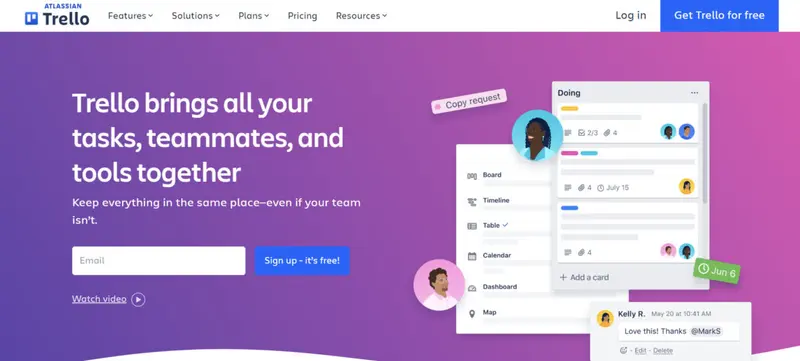
Trello approaches social media calendars from a task management perspective, making it popular among teams that value simplicity and flexibility. Using boards, lists, and cards, marketers can map content ideas, drafts, approvals, and scheduled posts in a highly visual format.

Calendar View adds time-based context by displaying cards according to due dates, helping teams understand what’s coming up across days, weeks, or months.

The calendar experience is intentionally minimal. Cards retain their labels, assigned members, and checklists, making it easy to see ownership and progress at a glance. Teams can drag cards to reschedule content quickly, which works well for fast-moving editorial plans or solo creators managing multiple platforms informally.

Trello also supports syncing with external calendars like Google Calendar, Outlook, and Apple Calendar, allowing teams to surface deadlines alongside other work commitments. Mobile access ensures schedules stay visible on the go.

However, Trello is not designed for native social media execution. There are no built-in post previews, platform-specific formatting tools, engagement metrics, or approval workflows tailored to social publishing. Most teams pair Trello with scheduling tools such as Buffer or Hootsuite.

For marketers who want a lightweight, flexible social media calendar focused on planning rather than publishing, Trello remains a practical option for 2026.


14. Hopper HQ

Hopper HQ

Best For: Founders, creators, and small teams that want a clean, visual social media calendar without enterprise complexity or steep learning curves.

Calendar Strength: High. Hopper HQ is built around a visual, drag-and-drop posting calendar and grid planner that makes it easy to see what’s publishing across platforms at a glance.

Collaboration Level: Low to medium. Basic team access is supported, but collaboration is intentionally lightweight compared to agency or enterprise tools.

Supported Channels: Instagram, Facebook, LinkedIn, TikTok, X (Twitter), Pinterest, YouTube Shorts, Instagram Reels, and Instagram Stories.

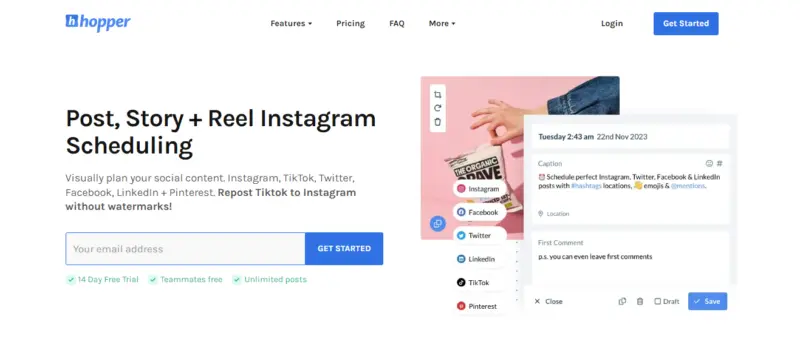
Hopper HQ positions itself as a visual-first social media calendar designed to reduce friction for busy creators and small brands. Its core strength is clarity. All scheduled, draft, and published posts appear in a single calendar view, making it easy to spot gaps, overlaps, and pacing issues without jumping between tabs or tools.

The calendar supports multiple views, filtering by platform or account, and full drag-and-drop rescheduling. This makes it especially useful for teams that batch-create content and want flexibility when plans change. Draft posts are visible directly in the calendar, allowing users to plan ahead without committing to publish dates too early.

Hopper HQ also includes grid and feed previews, helping Instagram and TikTok-focused brands maintain a consistent visual identity. Batch scheduling allows users to draft, edit, and queue multiple posts in one session, which supports consistent publishing without daily manual work.

The platform deliberately avoids overloading users with advanced analytics or complex workflows. There are no deep approval chains or campaign-level reporting features, which keeps the experience fast and intuitive but may limit suitability for large teams or agencies.

For creators and small businesses that want a simple, reliable, and visually intuitive social media calendar, Hopper HQ remains a strong choice for 2026, especially for brands prioritizing consistency over complexity.


15. SocialBee

SocialBee

Best For: Content-heavy brands, solopreneurs, and small teams that rely on evergreen posting, content categorization, and long-term scheduling efficiency.

Calendar Strength: High. SocialBee’s calendar is tightly integrated with its category-based posting system, giving users a strategic, structured view of how content is distributed over time.

Collaboration Level: Medium. Supports team workflows with drafts, internal notes, and review-friendly scheduling, without the complexity of enterprise approval layers.

Supported Channels: Instagram, Facebook, LinkedIn, X (Twitter), TikTok, Pinterest, Google Business Profile, YouTube, plus extended support via Universal Posting for platforms like Quora, Telegram, WhatsApp, Mastodon, and Facebook Groups.

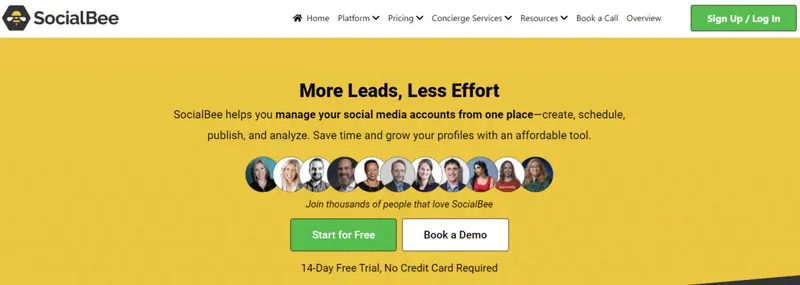
SocialBee is best understood as a content lifecycle scheduler rather than just a visual calendar tool. Its standout feature is the use of content categories, which allow users to group posts by theme, goal, or format and automatically rotate them through a predefined posting schedule.

This makes SocialBee especially effective for evergreen strategies, where content is reused, refreshed, and re-queued without constant manual input.

The calendar itself supports multiple views, including overview, feed preview, grid, list, and full calendar mode. This gives users both strategic visibility and platform-specific previews in one interface. Draft posts can be reviewed before publishing, and time-sensitive content can be set to expire automatically after a certain date or number of shares.

SocialBee’s AI Copilot adds another layer of planning support by suggesting posting times, platforms, and topic mixes based on performance data. Bulk scheduling and one-click pausing of entire content categories make it easy to adapt campaigns quickly without disrupting the rest of the calendar.

While the interface is more structured than purely visual planners like Hopper HQ, that structure is intentional. SocialBee prioritizes consistency, automation, and scalability over aesthetic-first planning.

For marketers who want a set-it-and-forget-it social media calendar built around evergreen content and intelligent automation, SocialBee remains one of the strongest options heading into 2026.


16. Missinglettr

Missinglettr

Best For: Content-driven brands, bloggers, SaaS teams, and marketers who want to automate long-term social promotion from existing blog content.

Calendar Strength: Medium to High. The calendar prioritizes campaign visibility and balance over granular, post-by-post manual planning.

Collaboration Level: Low to Medium. Supports notes and shared visibility, but is not designed for complex multi-step approval workflows.

Supported Channels: LinkedIn, X (Twitter), Facebook, Instagram, plus curated content feeds and campaign-based distribution.

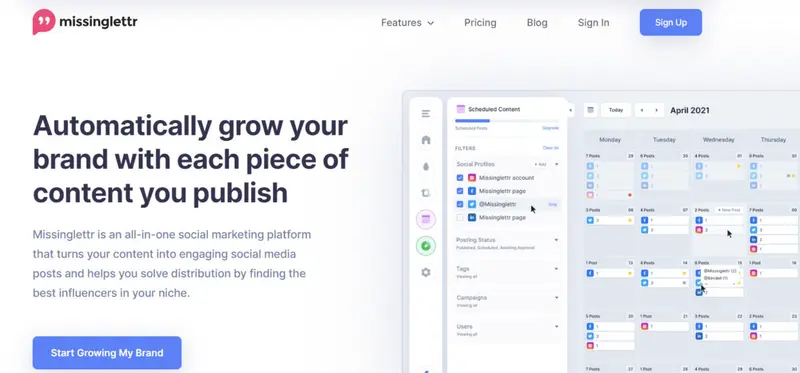
Missinglettr approaches social media calendars from a content automation-first perspective. Rather than focusing on manual scheduling, its calendar is built to visualize and manage automated drip campaigns, curated posts, and one-off updates in a single unified timeline.

This makes it especially effective for teams that publish blogs regularly and want to extend their lifespan on social channels without constant hands-on effort.

The standout feature is Missinglettr’s drip campaign engine, which automatically generates a year-long sequence of social posts from a single blog article. These campaigns appear directly in the calendar, alongside curated content and standalone posts, giving users a clear overview of how promotional content is distributed over time.

Visual icons help distinguish between campaign types, making it easy to spot overuse or gaps at a glance.

Editing and rescheduling posts directly from the calendar is intentionally frictionless. Users can click into any scheduled item, adjust copy, swap images, or remove posts entirely without navigating away from the calendar view. Built-in note-taking adds lightweight collaboration, allowing teams to flag changes or ideas without formal approval layers.

Where Missinglettr is less flexible is real-time, multi-platform customization. It is not designed for highly bespoke, channel-specific posting or fast-moving trend-based content. Instead, it excels at evergreen amplification, consistency, and long-term planning.

For marketers who want their social media calendar to run largely on autopilot while keeping full visibility into upcoming campaigns, Missinglettr offers a focused, low-maintenance solution for 2026.


17. Story Chief

Story Chief

Best For: B2B marketing teams, agencies, and content-led companies that manage blogs, social media, and multi-channel campaigns from a single workflow.

Calendar Strength: High. The calendar functions as a central command center for content planning, publishing, and performance tracking across channels.

Collaboration Level: High. Built-in approvals, task assignments, editorial briefs, and feedback loops support structured team collaboration at scale.

Supported Channels: WordPress, Webflow, Shopify, Drupal, Contentful, SharePoint, Wix, LinkedIn, Facebook, Instagram, Threads, TikTok, Pinterest, X, Google Business Profile, email tools, and 1000+ integrations.

StoryChief positions its content calendar as a full-funnel planning and execution layer, not just a scheduling tool. The calendar unifies blog content, social posts, newsletters, and campaigns into one visual timeline, allowing teams to see how ideas move from briefing to publication and performance.

Unlike social-first schedulers, StoryChief excels at campaign-driven planning. Each calendar entry can be tied to a broader content campaign, complete with KPIs, SEO guidance, deadlines, and ownership. This makes it particularly strong for B2B teams running coordinated launches across owned media and social channels.

Filtering by content type, channel, or campaign helps teams focus without losing the big picture.

Collaboration is a core strength. Teams can assign tasks, request approvals, leave contextual feedback, and work with freelancers or contractors directly inside the calendar. Automated notifications via email or Slack reduce missed deadlines and keep workflows moving.

Publishing is tightly integrated. Content can be auto-published to CMS platforms and social networks from the same calendar entry, eliminating duplicate work. Built-in analytics then feed performance data back into the planning process, closing the loop between creation and results.

StoryChief is less suited for creators who only need lightweight social scheduling. However, for organizations that treat content as a growth engine and need visibility across creation, distribution, and measurement, it delivers one of the most comprehensive content calendar experiences available for 2026.


18. SocialPilot

SocialPilot

Best For: Agencies, consultants, and small to mid-sized businesses managing multiple brands or client accounts that need structured planning and approvals.

Calendar Strength: Medium to high. The calendar focuses on visual planning, campaign organization, and consistency rather than advanced analytics or SEO workflows.

Collaboration Level: Medium. Strong client-facing collaboration and approvals, with internal notes and role-based access, but fewer editorial workflows than content-first platforms.

Supported Channels: LinkedIn, Facebook, Instagram, X, TikTok, Pinterest, YouTube, Google Business Profile, and other major social platforms.

SocialPilot’s content calendar is designed to bring clarity and predictability to social publishing, especially for teams managing multiple accounts at once. The calendar provides daily, weekly, and monthly views, allowing users to map campaigns, visualize posting cadence, and ensure content diversity across formats such as images, videos, promotions, and evergreen posts.

One of SocialPilot’s standout strengths is client collaboration. Teams can generate shareable calendar links that give clients visibility into upcoming posts, making approvals and feedback faster without relying on external tools. Notes, tags, and labels further support campaign planning by clearly outlining intent, deadlines, and responsibilities.

The platform also emphasizes content reuse. Posts with strong past performance can be repurposed from the content library and rescheduled directly from the calendar, helping teams extend content lifespan and maintain consistency without starting from scratch.

Holiday planning features reduce last-minute publishing by encouraging advance preparation for seasonal moments.

Drag-and-drop rescheduling and advanced filters make it easy to adjust plans when priorities change. Users can quickly locate posts by keyword, platform, status, or account, which is particularly useful for agencies handling high volumes of scheduled content.

SocialPilot is less focused on deep content production or SEO workflows. However, for social teams that value structured planning, client transparency, and efficient multi-account scheduling, it offers a practical and scalable calendar experience for 2026.

4.5 out of 5 stars
SocialPilot centralizes your social media management to help improve efficiency. The tool features an automated post schedule, easy integration with Canva, marketing tools, and other unique features to propel your social strategy.
Ratings
Features & Pricing
Pros and Cons
Ratings
Features
4.1
Ease of Use
4.7
Support
4.7
Overall Score
4.5
Features & Pricing
Analytics
Automated Publishing
Content Management
Conversion Tracking
Multi-Account Management
Post Scheduling
Price starting at:$25.50
Pros and Cons
Excellent value for money
Canva integration makes creating beautiful posts simple
Easy-to-navigate dashboard
No automated TikTok posting
Lacks advanced features that would attract large businesses and enterprises
Doesn’t offer a lot of third-party apps or integrations
Best for: Digital marketing agencies and SMBs
4.5 out of 5 stars
SocialPilot centralizes your social media management to help improve efficiency. The tool features an automated post schedule, easy integration with Canva, marketing tools, and other unique features to propel your social strategy.
Visit Website View Profile


What Are the Benefits of Using a Social Media Content Calendar?

Social media calendars have moved far beyond simple scheduling grids. In 2026, they function as planning, collaboration, optimization, and accountability systems. Here is a practical breakdown of the key benefits of teams using social calendars.

It Saves Time by Automating Content Planning and Publishing

Modern calendars reduce daily decision fatigue by centralizing ideation, scheduling, and publishing. Tools like Buffer and SocialBee use AI-assisted drafting, post recycling, and best-time recommendations to minimize manual work.

Instead of creating posts one by one, teams can batch content, reuse evergreen assets, and schedule weeks or months ahead. This removes the constant pressure of figuring out what to post each day and shifts focus toward higher-impact strategy and creative work.

It Helps You Maintain a Consistent Posting Cadence Across Channels

Consistency directly affects reach, engagement, and algorithmic visibility. A content calendar ensures posts go live even when teams are busy or understaffed. Visual planners like Hopper HQ and SocialPilot make it easy to see gaps in your schedule, rebalance content types, and maintain steady output across platforms.

With drag-and-drop rescheduling and multi-view calendars, missed days and uneven posting patterns become far less common.

It Provides Analytics to Continuously Improve Content Performance

Most advanced calendars now connect publishing with performance insights. Platforms such as Sprout Social and Brandwatch surface engagement trends directly alongside scheduled content.

This allows teams to identify which formats, topics, and posting times perform best, then immediately adjust future plans. Instead of reviewing analytics in isolation, performance data becomes part of the planning workflow itself.

It Makes ROI Tracking More Accurate and Actionable

When content, timing, and channels are documented in one system, attribution becomes clearer. Calendars help teams connect engagement spikes, traffic, or conversions back to specific posts and campaigns.

Tools with campaign tagging and reporting, such as StoryChief and Missinglettr, make it easier to evaluate which content efforts actually drive results. This clarity supports smarter decisions about what to scale, pause, or retire.

It Improves Planning, Forecasting, and Budget Control

A mapped calendar reveals how resources are allocated over time. Teams can spot content-heavy periods, campaign overlaps, or underutilized channels well in advance. Platforms like CoSchedule and Monday.com allow marketers to align publishing schedules with launches, events, and paid campaigns.

This visibility makes it easier to justify spend, allocate effort efficiently, and avoid reactive last-minute work.

It Enables Smoother Collaboration Across Teams and Stakeholders

Calendars act as a shared source of truth. With internal notes, approvals, and role-based access, teams avoid scattered feedback and misalignment. Client-friendly tools such as SocialPilot and editorial platforms like StoryChief allow stakeholders to review upcoming content directly in the calendar.

This reduces email back-and-forth, speeds up approvals, and ensures everyone works from the same plan, regardless of time zone or role.

Taken together, these benefits explain why social media calendars are no longer optional. They are foundational systems for scaling content operations with consistency, accountability, and measurable impact.


Things to Consider When Choosing a Social Media Calendar

A social media calendar is more than a visual planning tool. It becomes the operational backbone of your content strategy, shaping how efficiently you plan, publish, measure, and collaborate. Choosing the right one requires looking beyond surface-level scheduling features and focusing on how the tool supports your long-term marketing goals.

Here are the key factors to evaluate before committing to a social media calendar.

Automation Capabilities

Automation determines how much manual work you eliminate. Look for calendars that support recurring posts, content recycling, auto-publishing, and rule-based scheduling. These features are especially valuable if you publish at high volume or maintain consistent posting patterns across multiple platforms.

Scheduling Flexibility

A strong calendar should allow you to schedule content well in advance while still remaining flexible. The ability to reschedule posts quickly, adjust publishing times, and manage time-sensitive content ensures your strategy can adapt without disrupting your entire plan.

Usability and Learning Curve

If a tool is difficult to navigate, it will slow your team down rather than speed them up. An effective social media calendar should be intuitive, visually clear, and easy to adopt, even for non-technical users. A clean interface and logical workflows reduce errors and improve consistency.

Feature Depth and Scalability

Not all calendars are built for the same level of complexity. Consider whether the tool supports the workflows you need today and the ones you may need later, such as approvals, content tagging, bulk actions, or integrations. Scalability matters if your team, channels, or output grows over time.

Analytics and Performance Visibility

Data access should match your decision-making needs. Some teams require high-level engagement trends, while others need deeper insights into post-level performance and audience behavior. The right calendar makes performance data easy to interpret and connect back to your planning decisions.

Support and Reliability

Even the best tools encounter issues. Reliable customer support, clear documentation, and responsive assistance can make a significant difference when problems arise. This is particularly important for teams managing client accounts or time-sensitive campaigns.

Pricing Structure and Value

Pricing should align with both your budget and usage. Free plans can work for basic needs, while paid tiers often unlock automation, collaboration, and analytics. Evaluate whether the cost reflects the value delivered and whether the pricing model supports growth without sudden limitations.

Selecting the right social media calendar is ultimately about fit. The best option is the one that complements your workflow, reduces friction, and helps your content strategy operate with clarity and consistency.


Free Social Media Calendar Template

Not every business will have the resources to invest in a social media calendar tool. However, you can use Excel sheets to maintain an organized calendar for your social media posts. 

For this, following a template will help you ensure that you keep everything uniform for every team member to understand and follow.

You can use this sample template from Small Business Trends for free and customize it per your unique requirements:

Clients

Services

Notable Clients

1. Hootsuite

Comprehensive social media management, scheduling, and analytics.

Marketo, Accor Hotels, Virgin Pulse.

2. WWF (World Wildlife Fund)

Regular social media updates focusing on environmental awareness, wildlife protection, and fundraising events.

Coca-Cola (partner for water preservation initiatives), IKEA (partner for sustainable cotton production).

3. Marques Brownlee (MKBHD)

Tech influencer offering reviews, updates, and insights on latest gadgets across multiple social media platforms.

Worked with Google, Tesla, and Samsung for product reviews.

4. Shopify

Regular social media posts promoting their ecommerce platform, sharing success stories, and providing ecommerce tips.

Collaborated with businesses like Partake Foods, Gymshark, and Kylie Cosmetics.

5. Gary Vaynerchuk (GaryVee)

Business and motivational content across multiple social media platforms.

Collaborated with brands like Puma, K-Swiss, and VaynerMedia.


Building a Smarter Social Media Strategy Starts With the Right Calendar

A well-chosen social media calendar does more than organize posts. It creates structure, consistency, and clarity across your entire content operation. From planning campaigns and maintaining posting momentum to improving collaboration and measuring results, the right calendar turns scattered efforts into a repeatable system.

As social platforms continue to demand higher frequency, faster turnaround, and stronger performance accountability, relying on spreadsheets or ad hoc scheduling is no longer sustainable.

Whether you are managing a solo brand, a growing marketing team, or multiple client accounts, investing in a purpose-built social media calendar gives you control over both execution and outcomes.

Ultimately, the best calendar is the one that fits your workflow, scales with your goals, and allows you to focus less on logistics and more on creating content that actually resonates.

Frequently Asked Questions

Do I still need a social media calendar if I already use scheduling tools?

Yes, because a calendar defines strategy, not just execution. Scheduling tools publish posts, but a calendar helps you plan themes, balance formats, and avoid gaps using structured content calendar ideas that map variety across weeks and months.

Are free social media calendar templates good enough for growing brands?

They can be, especially for early-stage teams. Well-designed free content calendar templates help standardize workflows and establish posting discipline before investing in advanced tools.

How do evergreen calendars fit into a 2026 social strategy?

Evergreen calendars reduce burnout by recycling high-performing themes year-round. Many brands now rely on evergreen influencer calendars to maintain consistency without constant ideation.

Should holiday-based content still matter in algorithm-driven feeds?

Yes, seasonal relevance still drives engagement spikes. Planning around social media holiday calendars helps brands align timely content with cultural moments audiences already care about.

How do brands plan content around product launches more effectively?

They often use structured countdowns to build anticipation. A product drop countdown calendar helps coordinate teasers, reminders, and launch-day assets without overwhelming followers.

What is group scheduling, and when does it matter most?

Group scheduling is critical for teams managing multiple accounts or regions. Using group scheduling workflows ensures coordinated publishing without conflicting messages or duplicated effort.

Can I build an effective calendar without paid software?

Absolutely. Many marketers start by following a clear framework for creating a social media content calendar that defines goals, cadence, formats, and ownership before scaling tools.

How do teams handle approvals and version control in shared calendars?

Spreadsheets remain popular for this reason. A Google Sheets content calendar with approvals and version tracking gives teams transparency and accountability without complex software.

About the Author
The Influencer Marketing Hub Team brings together a diverse group of experts with a passion for influencer marketing, digital trends, and social media strategies. Each piece of content crafted by this team is researched and written to provide valuable insights, tips, and updates for our readers. Our authors are dedicated to delivering high-quality, informative, and engaging articles that help businesses and influencers thrive in this rapidly changing digital world.