
What is TikTok? That question goes far beyond explaining a simple video-sharing app. TikTok has evolved into one of the most influential digital platforms in the world, shaping everything from entertainment and internet culture to shopping habits, music trends, creator careers, and brand marketing strategies.
Originally known for short lip-syncing clips and viral dance trends, TikTok now functions as a powerful recommendation engine that continuously personalizes content for every user.
Today, TikTok is better understood as a video-led discovery platform that combines entertainment, search, social interaction, creator content, commerce, and increasingly local discovery and bookings. More than 1.5 billion people globally use TikTok for entertainment, discovery, and creativity.
The platform’s “For You” feed transformed how people discover videos online, helping creators reach viewers beyond their existing follower base. That recommendation-first approach also influenced how competing platforms approached short-form vertical video.
Millions of users rely on TikTok to discover restaurants, search for product reviews, follow live events, learn new skills, and shop directly through TikTok Shop.
Search has become a much bigger part of that experience. Billions of searches now happen on the platform every day, with search activity growing by more than 40% year over year.
In the U.S., TikTok has expanded discovery even further through features such as Local Feed, which surfaces nearby restaurants, shops, events, and creators, and TikTok GO, which allows users to discover and book hotels, attractions, tours, and other local experiences directly through TikTok.
For creators, TikTok has become a full-scale business ecosystem powered by sponsorships, affiliate marketing, livestreaming, subscriptions, and social commerce. For brands, it has become a major channel for creator-led content, product discovery, advertising, and commerce.
This guide explains what TikTok is, how the platform works, what people use it for, who owns and operates it, and how TikTok fits into the creator, business, search, and commerce ecosystems.

Jan
- TikTok at a Glance
- What Is TikTok?
- Who Owns TikTok and When Was It Created?
- How TikTok Works
- How Creators Use TikTok
- How Brands and Businesses Use TikTok
- What Is TikTok Shop and Why Is It Growing So Fast?
- What’s Next for TikTok?
- TikTok Became Much More Than a Video App
- What is TikTok? - Video
- Frequently Asked Questions
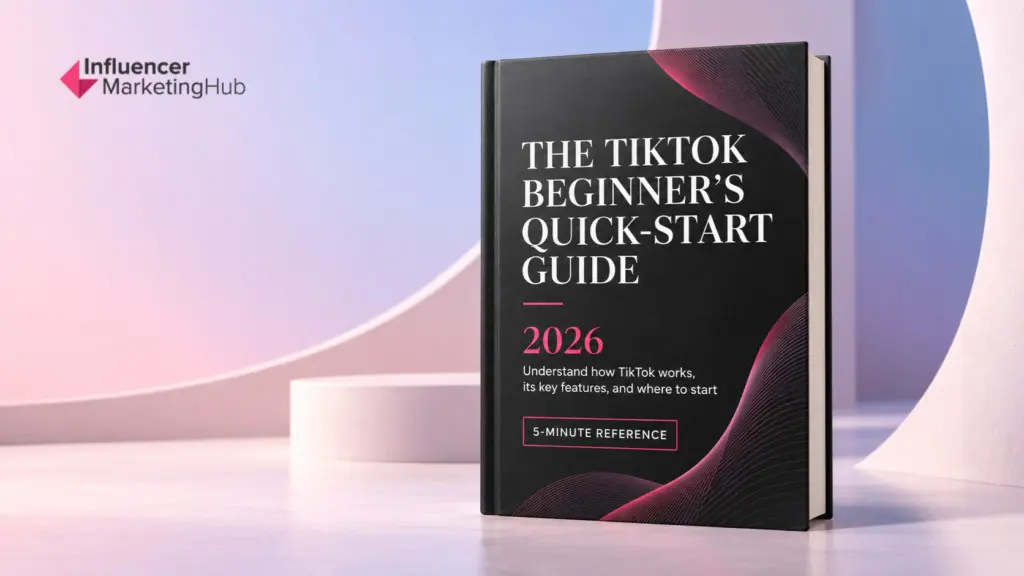
⭐ Get the Free TikTok Beginner’s Quick-Start Guide
TikTok has grown far beyond short-form entertainment. It now combines video, search, LIVE, shopping, creator tools, and local discovery in one platform.
The TikTok Beginner’s Quick-Start Guide gives you a simple, visual overview of how TikTok works, what its main features do, and where to start depending on how you want to use the platform.
Inside the guide, you’ll get:
- A quick snapshot of TikTok in 2026
- A visual breakdown of how discovery works
- A cheat sheet covering TikTok’s key features
- Clear starting points for users, creators, brands, and sellers
- Recommended IMH resources for learning more
TikTok at a Glance
TikTok has grown from a short-video app into a global discovery, entertainment, commerce, and creator platform used by more than 1 billion people worldwide. In the U.S. alone, more than 200 million people use the platform.
| Global audience | More than 1 billion users worldwide |
| U.S. audience | More than 200 million users |
| Global parent company | ByteDance |
| U.S. operator | TikTok USDS Joint Venture LLC |
| TikTok launch outside China | May 2017 |
| Musical.ly merger | August 2018 |
| Main discovery feed | For You |
| Core uses | Video, search, LIVE, creator content, shopping, local discovery, and bookings |
| Minimum account age | Generally 13+, subject to local requirements |
| Under-13 U.S. experience | TikTok provides a separate restricted experience for users under 13 in the U.S. |
ByteDance launched Douyin in China in September 2016 before launching TikTok outside mainland China in May 2017. ByteDance then acquired musical.ly in November 2017 and merged it with TikTok in August 2018.
TikTok’s U.S. structure changed significantly in January 2026 with the establishment of TikTok USDS Joint Venture LLC. The majority-American-owned company now operates TikTok’s U.S. user data, apps, algorithm security, and content ecosystem under defined safeguards. Oracle, Silver Lake, and MGX each hold 15% of the venture, while ByteDance retains 19.9%.
TikTok accounts are generally available to users aged 13 and older, although age requirements can vary by jurisdiction. TikTok also applies additional privacy and feature restrictions to users under 18. In the U.S., children under 13 who sign up are directed to a separate experience where they can view curated content and create videos to save locally but cannot post them publicly.
What Is TikTok?
TikTok is a short-form video platform where users create, share, discover, and interact with vertical videos designed primarily for mobile viewing. Videos can range from a few seconds to several minutes long and typically include music, voiceovers, effects, filters, captions, or interactive editing tools.
However, describing TikTok only as a short-form video app is increasingly incomplete. The platform now combines video, photo posts, LIVE, search, shopping, creator tools, and personalized discovery inside one ecosystem. TikTok Studio also supports web video uploads of up to 30 minutes, showing how far the platform has moved beyond its original short-clip format.
Unlike traditional social media platforms that rely heavily on follower relationships, TikTok focuses on algorithmic discovery. Its recommendation system continuously analyzes user behavior to personalize content inside the “For You” feed, allowing videos from almost anyone to reach large audiences even if the creator does not already have a substantial follower base.
That system helped TikTok become one of the fastest-growing social platforms in internet history.
While TikTok originally gained popularity among younger audiences, the platform has evolved into a mainstream ecosystem used by creators, brands, retailers, publishers, and consumers across multiple demographics.
What makes TikTok different from many traditional social networks is that discovery does not depend primarily on who you already follow. Recommendations, search, trends, creator content, LIVE, and TikTok Shop can all introduce users to content, products, and creators they have never interacted with before.
One of TikTok’s biggest differentiators is how quickly content can spread. A creator with very few followers can still generate substantial reach if their content connects with the audiences TikTok recommends it to.
What Is TikTok Used For?
TikTok is used for far more than viral dances or entertainment clips. Nowadays, the platform functions as a hybrid of social media, search engine, entertainment network, creator economy platform, and shopping ecosystem.
Users commonly use TikTok for anything from discovering trending topics and internet culture to participating in viral trends and challenges. They watch livestreams and live shopping events and follow creators, celebrities, athletes, and brands.
A large portion of TikTok users also learn skills through tutorials and explainers, shop directly through TikTok Shop, and build online communities around niche interests. Recent TikTok-commissioned research published in 2026 estimated that educational and skills-based content generated 3.6 billion hours of informal learning among U.S. users during 2025.
Discovery is also becoming increasingly local. TikTok introduced its Local Feed in the U.S. in 2026 to surface nearby restaurants, shops, events, attractions, small businesses, and local creators. TikTok GO extends that behavior further by allowing U.S. users to discover and book hotels, attractions, tours, and other experiences from content they encounter on the platform.
Shopping has become another major use case. Users can discover products through creator videos, recommendations, LIVE content, and TikTok Shop without leaving the platform. According to TikTok, TikTok Shop sales increased 120% year over year during the first part of 2025, illustrating how closely content discovery and commerce have become connected on the platform.
Naturally, creators and businesses find tremendous value in TikTok. They treat the app as a major growth and monetization platform.
Influencers use the app to build audiences, secure sponsorships, promote affiliate products, and launch personal brands. Companies use TikTok to run influencer campaigns, participate in trends, create native advertising, and drive social commerce sales through creator-led content.
In other words, people now use TikTok across several stages of the discovery journey: to find something interesting, learn more about it, see what creators or communities think, and increasingly take an action such as making a purchase, visiting a local business, or booking an experience.
⭐ Put TikTok to Work for Your Business
TikTok can help businesses turn content discovery into brand awareness, leads, app installs, and sales. Create your TikTok Ads account and claim up to $6,000 in ad credits for your first campaigns through this limited-time offer.
Who Owns TikTok and When Was It Created?
TikTok was created by ByteDance, the technology company founded by Zhang Yiming and other co-founders in 2012. ByteDance remains the company behind TikTok globally, but the ownership and operation of TikTok in the United States changed significantly in January 2026.
TikTok USDS Joint Venture LLC now operates TikTok’s U.S. user data, apps, algorithm security, and content ecosystem under a majority-American-owned structure. ByteDance retains a 19.9% stake in the U.S. joint venture rather than controlling a majority of it.
The Relationship Between TikTok, ByteDance, and Douyin
ByteDance first launched Douyin for users in mainland China. Douyin and TikTok have similar roots and product concepts, but they operate as separate platforms with different users, content ecosystems, and regulatory environments.
Douyin launched in China in September 2016. TikTok itself launched outside mainland China in May 2017, not in 2016 as the previous version of this article stated.
ByteDance had already built much of its business around recommendation technology and personalized content distribution. That expertise became central to TikTok’s growth, particularly through the For You feed.
Instead of depending mainly on follower relationships, TikTok recommends content based on user behavior and interests, allowing people to discover creators they have never followed before.
Who Owns TikTok in the United States?
In January 2026, TikTok USDS Joint Venture LLC was established to operate TikTok’s U.S. business under new regulatory safeguards. TikTok describes the entity as majority American owned.
Its three managing investors are Oracle, Silver Lake, and MGX, each with a 15% stake. ByteDance retains 19.9%, while the remaining ownership is distributed among other investors including Dell Family Office, affiliates of Susquehanna International Group and General Atlantic, Alpha Wave Partners, Revolution, and several other investment groups.
The joint venture has responsibility for protecting U.S. user data, securing TikTok’s U.S. apps and recommendation algorithm, and overseeing trust, safety, and content moderation for the U.S. ecosystem. TikTok says the structure allows more than 200 million U.S. users and 7.5 million businesses to continue using the platform.
So, for readers asking “Who owns TikTok?”, the most accurate 2026 answer is:
ByteDance remains the company behind TikTok globally, while TikTok’s U.S. operations are handled through the majority-American-owned TikTok USDS Joint Venture LLC, in which ByteDance holds a 19.9% stake.
The Musical.ly Acquisition
TikTok’s international growth accelerated after ByteDance acquired Musical.ly, the short-form video app that had already developed a large audience around lip-syncing, music, and creator content.
ByteDance acquired Musical.ly in November 2017. The two platforms were then merged in August 2018, when Musical.ly users were moved onto the TikTok platform.
That merger gave TikTok access to an established international user base and creator community at a time when mobile-first vertical video was becoming increasingly popular.
When Was TikTok Created? A Short Timeline
The existing article’s timeline needs several date corrections. I would replace it with this:
| Year | What Happened |
| 2012 | ByteDance was founded in March. |
| 2016 | Douyin launched in China in September. |
| 2017 | TikTok launched outside mainland China in May. ByteDance acquired Musical.ly in November. |
| 2018 | Musical.ly merged with TikTok in August, bringing the two user bases together. |
| 2021 | TikTok announced that it had surpassed 1 billion monthly users worldwide. |
| 2022 | TikTok expanded support for longer-form video, including uploads of up to 10 minutes. |
| 2023 | TikTok Shop officially launched in the U.S. in September. |
| 2024 | TikTok launched TikTok Studio, a centralized platform for creating, managing, and analyzing content. |
| 2026 | TikTok USDS Joint Venture LLC was established for U.S. operations under a majority-American-owned structure. |
ByteDance’s own company history confirms the 2016 Douyin launch, May 2017 TikTok launch, November 2017 Musical.ly acquisition, and August 2018 merger. ByteDance TikTok announced that its global community had surpassed one billion monthly users in September 2021, not 2022. TikTok Shop launched fully in the U.S. in September 2023, while TikTok Studio launched in May 2024.
How TikTok Became a Global Platform
TikTok’s growth quickly moved beyond viral dance videos and entertainment clips. The platform became one of the fastest-growing apps in the world because its recommendation system made content discovery feel immediate and highly personalized.
Unlike older platforms where audience growth depended heavily on building followers over time, TikTok gave new creators the ability to reach large audiences through recommendation-driven distribution.
That system accelerated:
- viral trends
- music discovery
- creator growth
- meme culture
- influencer marketing
- social commerce adoption
As the platform matured, TikTok expanded far beyond entertainment. Brands, retailers, publishers, athletes, celebrities, educators, and independent creators all began using the app to reach audiences through video and creator-led content.
How TikTok Works
TikTok works differently from many traditional social media platforms. Instead of relying primarily on follower relationships, the platform places heavy emphasis on algorithmic recommendations designed to match users with content they are likely to find relevant or interesting.
Every time a user opens TikTok, the app serves personalized content through the For You feed. The recommendations continue to adapt as the user watches videos, searches, follows accounts, likes or shares posts, and interacts with other parts of the platform.
Its recommender systems broadly evaluate three groups of signals: user interactions, information about the content, and information about the user. The importance of individual signals can change depending on the feature being used and the person receiving the recommendation.
This recommendation-first structure is one of the main reasons TikTok became so influential. Users do not need to follow a creator to encounter their content, and creators do not need an established follower relationship with every person TikTok may recommend their posts to.
TikTok applies personalization far beyond the For You feed. Its recommendation systems also influence the Following and Friends feeds, LIVE, TikTok Shop, account recommendations, comments, notifications, and search.
The For You Page Explained
The For You page, commonly called the FYP, is TikTok’s primary personalized discovery feed.
Rather than showing posts only from accounts a user follows, the feed recommends content based on signals generated through that person’s activity on TikTok.
Important For You signals include:
- User interactions, including videos a person likes, shares, comments on, watches in full, or skips
- Content information, including sounds, hashtags, view counts, and the country where the content was published
- User information, including language preferences, location, time zone, and device settings
For most users, interaction signals, including time spent watching a video, are generally weighted more heavily than other categories of information.
For example, someone who repeatedly watches cooking videos, searches for recipes, and engages with restaurant content is likely to see more food-related recommendations over time.
TikTok also deliberately introduces some content outside a user’s established interests to diversify recommendations and help people discover new creators, topics, and perspectives.
The system also includes safety and eligibility controls. Content can remain permitted on TikTok while still being considered ineligible for recommendation in the For You feed if it does not meet TikTok’s For You feed eligibility standards.
TikTok’s Core Features
TikTok’s success also comes from how easy it makes content creation and interaction. The platform includes a wide range of built-in tools that allow users to produce highly engaging videos directly inside the app.
Video Recording and Editing
At its core, TikTok revolves around short-form vertical videos optimized for mobile viewing. Users can either record content directly inside the app or upload existing clips from their camera roll, giving creators more flexibility in how they produce content.
The platform’s built-in editing tools simplify video creation even further. Users can trim clips, adjust playback speed, rotate footage, add transitions, insert captions, create voiceovers, and experiment with templates without needing advanced editing skills or external software.
TikTok has also expanded well beyond the very short clips that originally defined the platform. TikTok Studio supports video uploads from a web browser of up to 30 minutes, while TikTok also supports photo posts and other content formats alongside video.
Filters, Effects, and Creative Tools
Filters and effects quickly became one of TikTok’s defining features. Beyond standard beauty filters, the platform expanded heavily into augmented reality effects, animations, stickers, and green screen tools that encourage trend participation and interactive storytelling.
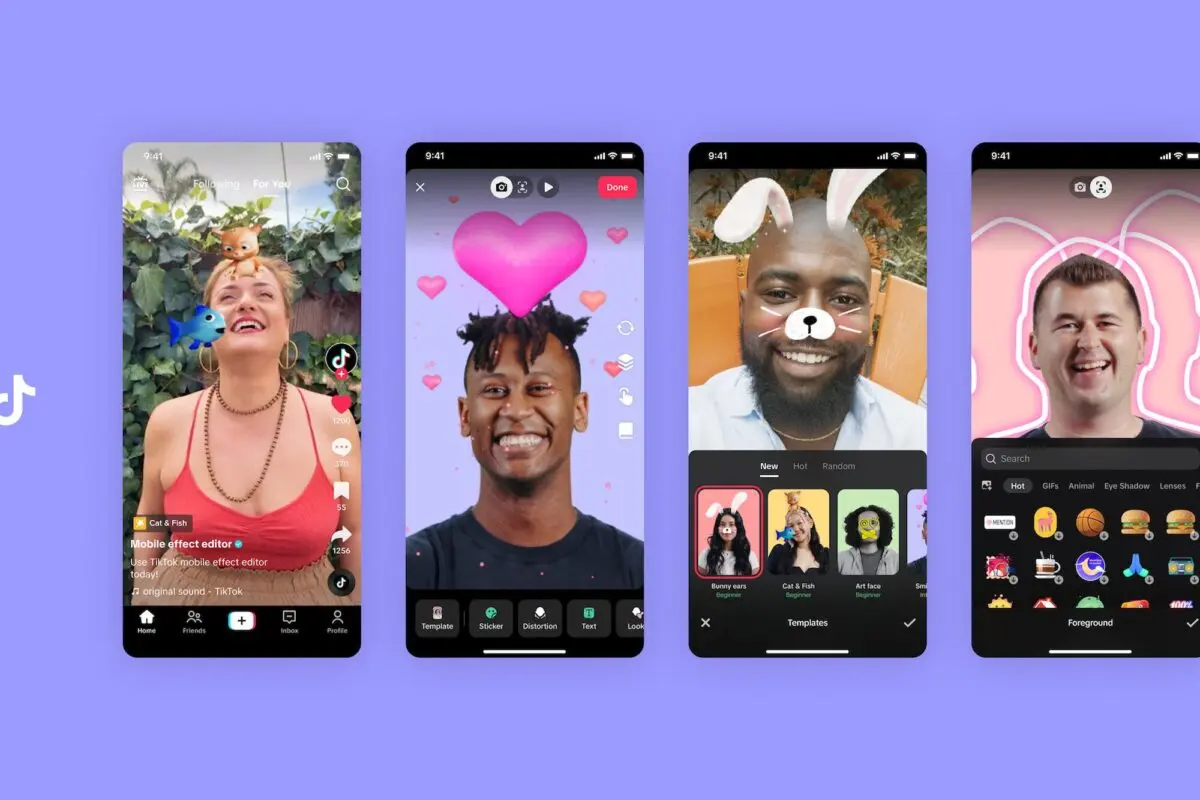
TikTok also introduced creator-made effects and AI-powered creative tools that help users experiment with new content formats more easily. These features helped trends evolve faster than on many competing platforms because users can quickly recreate or remix viral content styles.
TikTok Sounds and Music Integration
Music and sound integration helped separate TikTok from earlier social media platforms. Viral sounds frequently become the foundation of platform-wide trends, with thousands or even millions of users creating videos around the same audio clip.
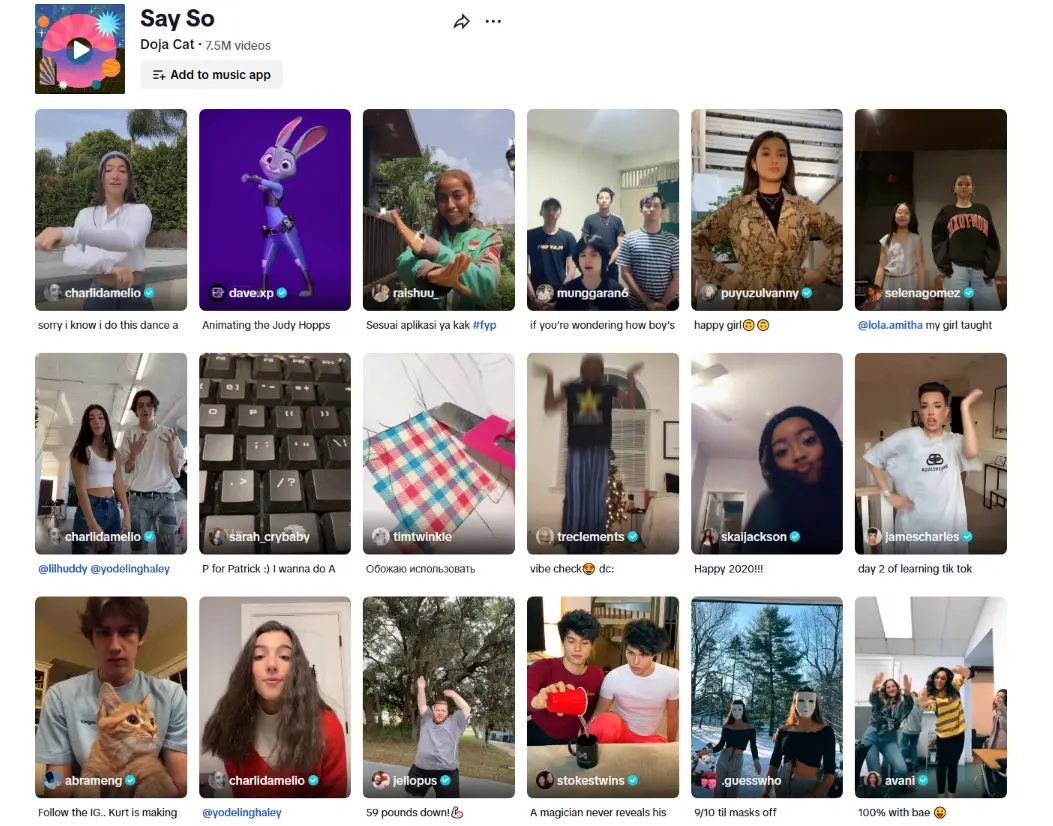
This dynamic transformed TikTok into one of the internet’s most influential music discovery platforms while accelerating how trends spread across the app. Songs regularly gain mainstream popularity after going viral on TikTok through creator participation, remixes, memes, and challenges.
Learn How TikTok Sounds Drive Reach and Trends
Sounds are one of the biggest forces behind TikTok virality, helping creators participate in trends, increase discoverability, and connect content to broader conversations across the platform. Explore our guide on How To Use TikTok Sounds to learn how trending audio influences engagement and content performance.
Duet, Stitch, and Community Interaction
Two features that helped define TikTok’s collaborative culture are Duet and Stitch.
@richardsalesofficial #duet with @mrmojochris WOW THIS VIDEO HAS MADE MY NIGHT - Instagram - richardsalesofficial #viral #xyzbca #FYP
Duet allows users to create side-by-side videos responding to existing content, while Stitch lets creators clip and reuse portions of another user’s video before adding their own commentary or reaction. These features encourage remixing, reactions, and trend participation, helping content spread faster across the platform.
The platform later expanded interaction further with Video Replies, which allow creators to respond directly to comments using video responses embedded with the original comment overlay. Features like comments, reposts, direct messaging, and collaborative livestreams also strengthened creator-audience interaction across the platform.
Start Creating Collaborative TikTok Content
Duets are one of TikTok’s most powerful engagement features, allowing creators to react, collaborate, remix trends, and participate in conversations directly within the platform. Learn how the feature works, when to use it, and how creators use Duets to increase reach and visibility in our guide to How to Duet on TikTok.
TikTok LIVE and Creator Monetization
TikTok LIVE allows eligible creators to broadcast in real time and interact directly with viewers through comments and other LIVE features.
Viewers who meet TikTok’s eligibility requirements can also use Coins to activate virtual Gifts during eligible LIVE broadcasts. However, the amount a viewer spends on a Gift should not be treated as a direct payment of that amount to the creator. TikTok uses Gifts and other factors within its separate Diamonds and Rewards systems.
TikTok Studio is now the platform’s main creator-management environment, bringing together content management, analytics, audience insights, growth tools, and access to eligible monetization programs.
Creators may also have access to monetization options such as Creator Rewards, subscriptions, LIVE monetization, brand partnerships, and commerce features depending on their location and eligibility.
TikTok Shop and Social Commerce
TikTok Shop integrates product discovery and purchasing directly into the TikTok experience. Users can encounter products through creator posts, product links, LIVE content, search, and the Shop tab where it is available.
TikTok Shop recommendations are also personalized. More broadly, its recommendation systems can tailor shopping content based on user interactions, content information, and other signals, meaning commerce is increasingly integrated into the same discovery system that powers the rest of TikTok.
This creates a commerce model where entertainment, creator recommendations, product research, and purchasing can happen within the same platform.
How TikTok Trends Spread So Quickly
TikTok’s recommendation system is designed to identify engagement spikes rapidly. When videos begin performing well with smaller audiences, the platform often expands distribution to broader viewer groups almost immediately.
This creates an environment where trends move extremely fast.
A single sound, phrase, editing style, meme format, product, or challenge can spread across millions of users within days or even hours. Creators then remix, recreate, or adapt those trends to fit different niches and communities, generating massive cycles of participation.
Hashtags, trending sounds, and creator collaboration all contribute to this acceleration. Unlike older social networks, where trends often spread through established influencers first, TikTok allows smaller creators to help launch trends organically if their content resonates with viewers.
Many trends that later appear on Instagram Reels, YouTube Shorts, X, or mainstream media often begin on TikTok first.
What Is Considered Viral on TikTok?
There is no universal view threshold that officially defines a viral TikTok video. Virality depends more on engagement velocity and distribution momentum than on follower count alone.
A video typically begins gaining traction when it generates strong early engagement signals, such as high watch completion rates, rewatches, shares, comments, saves, etc.
TikTok’s algorithm then tests that content with progressively larger groups of viewers. If engagement remains strong, the platform may continue amplifying distribution, sometimes leading to millions of views within a very short period.
Because TikTok prioritizes discoverability over follower size, even creators with relatively small audiences can achieve viral reach. That accessibility fundamentally changed creator culture online and helped TikTok become one of the most creator-friendly discovery platforms on the internet.
In many cases, a TikTok trend continues spreading long after the original video was posted, expanding into music streaming, product sales, influencer campaigns, and broader internet culture.
How Creators Use TikTok
Creators became one of the biggest reasons behind TikTok’s explosive growth. We know that previously established social platforms depended heavily on follower networks. TikTok’s recommendation system allowed relatively unknown users to reach millions of viewers through engaging content alone.
That accessibility transformed the creator economy.
Today, TikTok supports creators across nearly every category imaginable, including entertainment, education, gaming, fitness, beauty, technology, travel, food, and finance. The platform’s algorithm also helped accelerate highly engaged niche communities like BookTok, FoodTok, and FitTok, where creators build audiences around specific interests rather than broad mainstream appeal.
@kauscooks
TikTok’s influence extends far beyond content creation itself. Many creators now operate as full-scale businesses, using the platform to build audiences, launch products, secure sponsorships, and generate revenue through multiple monetization channels.
How Creators Make Money on TikTok
TikTok evolved into a major monetization ecosystem where creators combine several income streams rather than relying on a single source of revenue.
Brand sponsorships remain one of the platform’s largest creator opportunities. Companies regularly partner with TikTok creators to produce native-style videos that feel more authentic and engaging than traditional advertising.
@adalynntoma The only perfume you need in your collection 🍒☁️🥥 #cleanpartner #cleanclassic #whippedcherry #paidpartnership @Clean Beauty Collective @sephora
TikTok Shop also accelerated creator monetization through affiliate commerce. Creators can recommend products directly inside videos and livestreams while earning commissions on resulting sales. Viral product videos frequently generate significant spikes in visibility and purchasing behavior across the platform.
LIVE gifting introduced another major monetization layer. During livestreams, viewers can purchase virtual gifts using TikTok Coins, which creators later convert into earnings. Some creators now generate substantial revenue through livestreams, audience interaction, and creator-led shopping events.
Beyond TikTok-native monetization, many creators use the platform to drive podcast growth, merchandise sales, subscription communities, digital products, consulting services, and broader personal brands.
What Is TikTok Studio?
TikTok Studio is the platform’s creator management and analytics environment designed to help users manage content, monitor performance, and organize workflows more efficiently.
The platform provides creators with tools for analytics, audience insights, monetization tracking, editing workflows, and livestream management. These features reflect TikTok’s broader evolution from a short-form entertainment app into a much more advanced creator infrastructure ecosystem.
As competition within the creator economy intensified, TikTok expanded its creator tools to support more professional workflows, stronger analytics capabilities, and deeper monetization opportunities.
Want to Learn How to Actually Use TikTok?
Understanding what TikTok is and why creators use it is only part of the picture. If you want to learn how to navigate the platform, create videos, use hashtags and sounds, grow an audience, understand TikTok’s algorithm, or use TikTok for business and content creation, we break everything down step-by-step in our complete beginner guide.
Explore our full How to Use TikTok Guide to learn:
- How TikTok’s For You Page works
- How to create and post videos
- How to use TikTok sounds, filters, and hashtags
- How creators grow their audiences
- How businesses market on TikTok
- How to improve engagement and visibility
- How TikTok trends and discovery actually work
Whether you’re using TikTok casually, building a creator brand, or exploring influencer marketing opportunities, the guide covers everything you need to get started.
How Brands and Businesses Use TikTok
TikTok evolved from a viral entertainment app into one of the world’s most influential marketing and commerce platforms. Today, businesses use TikTok to build brand awareness, reach younger audiences, collaborate with creators, and drive product discovery through short-form video content.
According to our 2026 Influencer Marketing Benchmark Report, TikTok remains the single most selected platform for influencer marketing investment, with 31% of respondents picking it.
Businesses often perform better when videos feel entertaining, authentic, or trend-driven rather than highly polished commercials. This shift pushed brands toward creator partnerships, user-generated content, and community-focused storytelling.
Learn How Brands Use TikTok Influencer Marketing
TikTok’s creator ecosystem has become one of the most important channels for influencer marketing, helping brands reach audiences through native content, creator partnerships, affiliate campaigns, and trend-driven storytelling.
Explore our TikTok Influencer Marketing Guide to learn how brands collaborate with creators, structure campaigns, measure performance, and drive engagement on the platform.
What Is TikTok Marketing?
TikTok marketing refers to how brands use the platform to promote products, services, and campaigns through short-form video content.
Businesses commonly use TikTok for influencer partnerships, trend participation, educational videos, product launches, UGC campaigns, livestream shopping, paid advertising, and more.
Because TikTok’s algorithm prioritizes engagement and discoverability, even smaller businesses can generate significant visibility if their content performs well with viewers.
Why Brands Invest Heavily in TikTok
TikTok became one of the internet’s most powerful discovery platforms. Users regularly discover products, restaurants, creators, fashion trends, and brands directly through videos appearing in the For You feed.
Many younger consumers also use TikTok like a search engine, looking for reviews, tutorials, shopping recommendations, local suggestions, product comparisons, and more.
This behavior changed how businesses approach digital marketing. Instead of relying only on traditional ads or search engines, brands increasingly invest in creator-led content designed to feel organic inside TikTok’s ecosystem.
How TikTok Changed Influencer Marketing
TikTok transformed influencer marketing by making creator content more native, conversational, and commerce-driven.
Rather than relying only on celebrity endorsements, brands increasingly partner with creators who understand platform culture and build strong engagement within niche communities. Short-form creator videos often feel more authentic than traditional advertising, making audiences more likely to watch, trust, and interact with the content.
TikTok also accelerated the growth of user-generated content (UGC) marketing and affiliate commerce through TikTok Shop. Many influencer campaigns now connect directly to product discovery and measurable sales, helping turn creators into a central part of modern digital marketing strategies.
⭐ Give Creator-Led Content More Reach
Creator-style videos can do more than generate organic engagement. TikTok Ads helps brands bring native-feeling creative to targeted audiences while tracking campaign performance. Unlock up to $6,000 in TikTok ad credits and start testing your first ads.
What Is TikTok Shop and Why Is It Growing So Fast?
TikTok has evolved far beyond a content and entertainment platform. In recent years, it has also become one of the fastest-growing social commerce ecosystems in the world through TikTok Shop.
Instead of sending users to external ecommerce websites, TikTok increasingly keeps product discovery, creator recommendations, and purchasing behavior directly inside the app. That shift fundamentally changed how users shop online and how brands approach digital commerce.
The rise of trends like “TikTok Made Me Buy It” reflects how strongly creator content now influences consumer behavior. Viral videos regularly drive product sellouts, waiting lists, and massive spikes in visibility for everything from skincare and fashion products to kitchen gadgets and books.
@kitty.printer Wast it worth it? 🥺 #giftideas #musthaves #tiktokmademebuyit #miniprinter
♬ Un Poco Loco - From "Coco"/Sped Up Version - Anthony Gonzalez & Gael García Bernal
What Is TikTok Shop?
TikTok Shop is TikTok’s built-in ecommerce system that allows brands, businesses, and creators to sell products directly inside the platform. Users can discover products through videos, creator recommendations, livestreams, and dedicated shopping tabs without leaving the app.
The platform combines entertainment, product discovery, influencer marketing, and ecommerce into a single experience. Instead of treating shopping as a separate activity, TikTok integrates it naturally into the content users already consume daily.
Creators play a major role in this ecosystem. Many creators promote products directly inside videos or livestreams through affiliate partnerships, earning commissions on resulting sales. This creator-led structure helped TikTok Shop grow much faster than many traditional social commerce experiments on other platforms.
How TikTok Turned Social Media Into a Commerce Platform
TikTok’s biggest commerce advantage comes from how naturally products blend into entertainment-driven content.
Rather than relying entirely on traditional ads, TikTok encourages discovery through creator reviews, tutorials, product demonstrations, trend participation, livestream shopping, and short-form recommendations.
It makes shopping feel less disruptive and more integrated into the viewing experience.
The platform’s recommendation system also accelerates impulse purchasing behavior. A single viral creator video can expose products to millions of highly targeted users within hours. In many cases, products trend because creators demonstrate them organically rather than through heavily scripted advertising campaigns.
This creator-commerce model helped reshape influencer marketing as well. Instead of measuring success primarily through impressions or awareness, many campaigns now focus directly on conversions, affiliate sales, and measurable revenue outcomes.
TikTok Shop’s growth also reflects broader changes in consumer behavior. Younger audiences increasingly expect:
- Faster purchasing experiences
- Creator recommendations
- Visual product discovery
- Mobile-first shopping
- In-app checkout experiences
TikTok combined all of those behaviors into a single ecosystem.
Want to Learn How TikTok Shop Actually Works?
This section explains TikTok Shop at a high level, but the platform’s ecommerce ecosystem goes much deeper. If you want to learn how TikTok Shop works for sellers, creators, shoppers, and brands, we break down the full system in our complete guide.
Explore our What is TikTok Shop Complete Guide to learn:
- How TikTok Shop works
- How creators earn affiliate commissions
- How livestream shopping functions
- How brands list and promote products
- How TikTok Shop Seller Center works
- How businesses use TikTok Shop for ecommerce growth
- TikTok Shop features, tools, and integrations
- Best practices for selling products on TikTok
Whether you’re a creator exploring affiliate commerce or a business looking to sell directly through TikTok, the guide explains how the platform’s shopping ecosystem operates in practice.
What’s Next for TikTok?
TikTok continues evolving far beyond its origins as a short-form entertainment app. The platform increasingly functions as a hybrid ecosystem that combines social media, creator content, search behavior, ecommerce, advertising, and AI-driven discovery into a single mobile-first experience.
One of TikTok’s biggest areas of growth is social commerce.
TikTok Shop, affiliate programs, and livestream shopping continue pushing the platform deeper into ecommerce, particularly among younger audiences who increasingly discover and purchase products directly through creator content. This shift is helping blur the lines between entertainment, influencer marketing, and online shopping.
The platform is also investing heavily in creator infrastructure. Expanded monetization tools, analytics systems, creator marketplaces, and livestream features reflect TikTok’s broader goal of keeping creators inside its ecosystem for longer periods of time. Many creators now treat TikTok as a primary business platform rather than simply a social media app.
Search behavior is another major area of change. Increasingly, users turn to TikTok for product reviews, tutorials, restaurant recommendations, travel advice, and educational content instead of relying entirely on traditional search engines. This behavior continues reshaping how brands, publishers, and marketers think about online discovery.
At the same time, TikTok faces growing competition and regulatory pressure. Platforms like Instagram Reels and YouTube Shorts continue investing heavily in short-form video, while governments in several countries continue debating privacy, ownership, and data security concerns surrounding the platform.
Despite those challenges, TikTok’s influence on internet culture remains enormous. The platform already reshaped how social media platforms distribute content, how creators build audiences, how brands advertise online, and how users discover trends, products, and entertainment.
Its next phase will likely focus on becoming an even larger discovery, commerce, and creator ecosystem built around personalization, mobile video, and algorithmic recommendations.
TikTok Became Much More Than a Video App
TikTok evolved from a short-form entertainment app into one of the internet’s most influential platforms for creators, discovery, marketing, and commerce. Its recommendation-driven system reshaped how users consume content, how creators build audiences, and how brands connect with consumers online.
Today, TikTok influences everything from music and shopping trends to influencer marketing and social commerce. As the platform continues expanding into ecommerce, creator monetization, and AI-driven discovery, its impact on digital culture is likely to keep growing well beyond social media alone.
What is TikTok? - Video
Frequently Asked Questions
What is the main purpose of TikTok?
TikTok is a social media platform designed for creating, sharing, and discovering short videos. Its main purpose is to provide users with a space to express creativity, entertain, and engage in trends through videos set to music, sound effects, and personal expressions.
What are the pros and cons of TikTok?
The pros of TikTok include its creativity, viral trends, and entertainment value. The cons involve potential privacy concerns, addictive nature, and the spread of misinformation due to the app's fast-paced content.
What is the difference between TikTok and YouTube?
TikTok is focused on short-form videos, typically under 3 minutes, ideal for viral trends and entertainment. YouTube supports longer videos, often used for tutorials, documentaries, and longer-form content.
Why is TikTok so addictive?
TikTok’s algorithm creates an endless stream of highly personalized content, which keeps users engaged by presenting videos that align with their interests and previous interactions, leading to a high level of user retention.
What is TikTok used for?
TikTok is used for a wide variety of purposes, including entertainment, education, creative expression, social trends, and even marketing. It has become a go-to platform for discovering new music, viral challenges, and short-form educational content.
Is TikTok free to use?
Yes, TikTok is free to download and use. Users can watch videos, upload content, and interact with others without any charges. However, in-app purchases and ads are available.
What is TikTok Shop and how does it work?
TikTok Shop allows users and businesses to sell products directly on the platform. It enables in-app shopping experiences where users can buy items featured in videos without leaving the app.
Can TikTok be used for business marketing?
Absolutely! TikTok is a powerful tool for businesses to reach a large, engaged audience. Brands can create viral marketing campaigns, influencer partnerships, and engage with users through sponsored posts and challenges.
Who owns TikTok?
TikTok is owned by ByteDance, a Chinese tech company. Despite its origins in China, TikTok operates globally and is available in many countries worldwide.
How does TikTok’s algorithm work?
TikTok’s algorithm uses machine learning to suggest content based on user interactions such as likes, shares, comments, and watch time. It also considers the type of content a user engages with to personalize their "For You" feed.
Is TikTok safe for kids?
TikTok has a minimum age requirement of 13 years old, but parental supervision is recommended for younger users due to concerns about online safety and the type of content available.
How does TikTok make money?
TikTok generates revenue through various means, including in-app purchases, advertising, and partnerships with brands. TikTok’s advertising options include in-feed ads, sponsored content, and branded hashtag challenges.
Is TikTok available in the United States?
As of February 2025, TikTok is no longer available for download from the Apple App Store or Google Play Store in the United States. However, users who already have the app installed on their devices can continue to use it. The ban on new downloads is part of ongoing regulatory concerns, but existing users can still access the platform and engage with its content as usual.


![The Incredible Rise of TikTok - [TikTok Growth Visualization]](https://s.influencermarketinghub.com/imaginary/resize?width=400&height=200&type=webp&url=https://influencermarketinghub.com/wp-content/uploads/2019/04/The-Incredible-Rise-of-TikTok-.png)